TL;DR
New York City health officials have issued a warning to visitors of Central Park following a growth in Legionnaires’ disease cases linked to the Upper East Side. The outbreak has prompted health alerts and investigation efforts. The situation remains ongoing with more details expected.
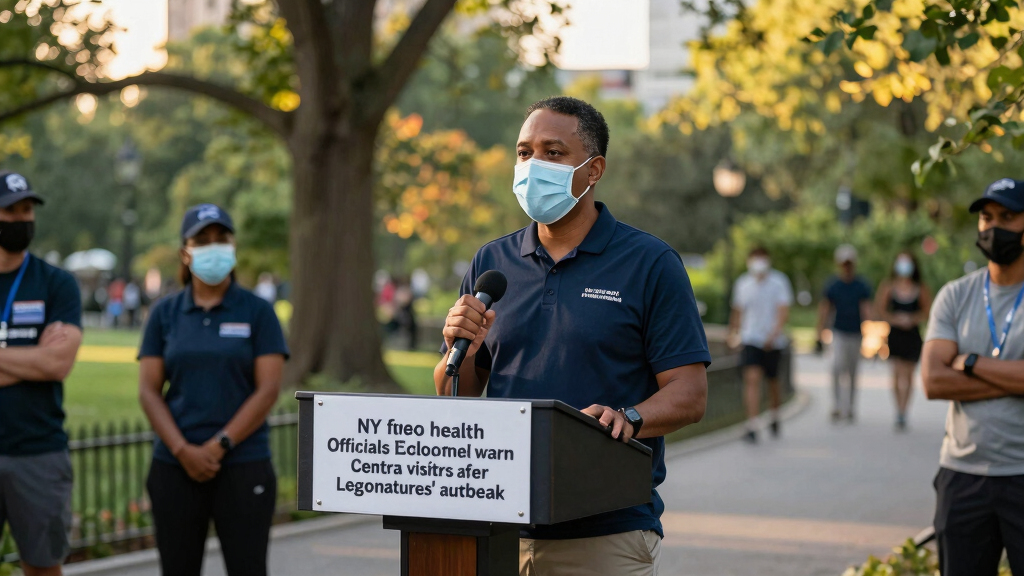
New York City health officials have issued a warning to visitors of Central Park after confirming an increase in cases of Legionnaires’ disease linked to the Upper East Side, where the outbreak has been expanding in recent weeks. The alert aims to inform the public and prevent further infections as investigations continue.
According to the NYC Department of Health, more than 20 cases of Legionnaires’ disease have been identified in the past month, with several linked to the water systems in buildings near the Upper East Side. The outbreak has now prompted health officials to extend the warning to visitors of Central Park, a popular outdoor destination in Manhattan. The city has not yet confirmed the exact source but is conducting environmental testing of water systems in the affected areas, as part of Legionnaires’ disease investigations.
Health officials emphasize that Legionnaires’ disease is a severe form of pneumonia caused by inhaling aerosolized water containing Legionella bacteria. Symptoms include cough, fever, and shortness of breath, and vulnerable populations such as the elderly or immunocompromised are at higher risk. No deaths have been reported so far, but several hospitalizations have occurred.
Public Health Impact of the Legionnaires’ Outbreak in NYC
This outbreak underscores the importance of water system maintenance and monitoring in preventing Legionnaires’ disease. The warning to Central Park visitors highlights the potential risk of exposure in outdoor and public spaces, especially during warmer months when water aerosols are more prevalent. The situation could influence public awareness and prompt city agencies to review water safety protocols across the city.
water filter for home water systems
As an affiliate, we earn on qualifying purchases.
As an affiliate, we earn on qualifying purchases.
History and Recent Developments in NYC Legionnaires’ Cases
Legionnaires’ disease has periodically affected New York City, often linked to building water systems and cooling towers. The city has previously responded to outbreaks with increased inspections and water treatment measures. The current outbreak, first identified on the Upper East Side, is the largest in recent years, prompting swift public health alerts. The city’s health department has been actively investigating water sources and is working with building owners to mitigate risks.
“We are advising the public to be cautious around water features and to stay informed as we continue our investigations.”
— NYC Department of Health spokesperson
portable water testing kit
As an affiliate, we earn on qualifying purchases.
As an affiliate, we earn on qualifying purchases.
Unconfirmed Sources and Details of the Outbreak
It is not yet clear which specific water systems or locations are the primary sources of the Legionella bacteria. The exact number of cases linked to outdoor areas like Central Park remains under investigation, and the timeline of infection onset is still being clarified. Additionally, the full scope of the outbreak and whether it has expanded beyond the initial zones are still unknown.
air purifiers for respiratory health
As an affiliate, we earn on qualifying purchases.
As an affiliate, we earn on qualifying purchases.
Next Steps for City Officials and Public Awareness
City health officials are expected to continue environmental testing and monitor water systems across affected neighborhoods. They will also provide updates on the investigation’s progress and any new public health advisories. Visitors to Central Park are advised to follow safety guidelines, including avoiding water features and staying informed through official channels. Further testing results and potential restrictions or remediation actions are anticipated in the coming weeks.
disinfectant spray for water systems
As an affiliate, we earn on qualifying purchases.
As an affiliate, we earn on qualifying purchases.
Key Questions
What is Legionnaires’ disease?
Legionnaires’ disease is a severe form of pneumonia caused by inhaling water droplets contaminated with Legionella bacteria. Symptoms include cough, fever, muscle aches, and shortness of breath. It primarily affects older adults, smokers, and those with weakened immune systems.
How can I protect myself while in Central Park?
Visitors are advised to avoid water features such as fountains and spray areas, wash hands frequently, and stay informed through official health advisories. The city recommends following safety instructions and seeking medical attention if symptoms develop.
Are there any reported cases of illness linked to Central Park itself?
Currently, no cases have been directly linked to water features within Central Park. The warning is precautionary, given the proximity to affected areas on the Upper East Side and potential water aerosol exposure.
What actions are city officials taking to address the outbreak?
The NYC Department of Health is conducting environmental testing of water systems, inspecting cooling towers, and providing public health guidance. They are also working with building owners to mitigate potential sources of Legionella bacteria.
Source: google-trends