

You face unique risks for cardiovascular disease, especially around menopause when estrogen levels drop sharply. This hormonal change weakens blood vessel walls, raises blood pressure, and increases cholesterol and inflammation. These factors heighten your vulnerability to heart problems. Lifestyle habits like smoking, poor diet, and stress also play a role. Understanding how hormonal shifts impact your heart health helps you make better choices. Keep exploring to learn how you can protect your heart during these critical years.
Key Takeaways
- Women experience a decline in estrogen after menopause, increasing their risk of cardiovascular disease.
- Hormonal changes affect blood pressure, cholesterol, and vessel integrity, elevating heart disease susceptibility in women.
- Women-specific risk factors, such as pregnancy-related conditions, influence cardiovascular health uniquely.
- Lifestyle factors like smoking and poor diet disproportionately impact women’s heart health.
- Awareness of hormonal influences and regular monitoring are vital for early prevention and risk reduction in women.

Did you know that cardiovascular disease remains the leading cause of death among women worldwide? This fact highlights the importance of understanding the unique risks women face. Unlike men, women experience specific hormonal influences that can substantially impact their heart health. For instance, estrogen, the primary female hormone, offers some protection against cardiovascular issues early in life. During reproductive years, estrogen helps maintain flexible arteries and favorable cholesterol levels, reducing the risk of blockages. However, after menopause, estrogen levels decline sharply, removing this protective effect and increasing vulnerability to heart disease. This hormonal shift can lead to changes in blood pressure, cholesterol, and inflammation, all of which contribute to cardiovascular risks. Studies indicate that the decline in estrogen also affects collagen production, which is vital for maintaining the integrity of blood vessels and overall cardiovascular health. Your lifestyle factors play a pivotal role in shaping your heart health, especially as hormonal influences change over time. Smoking, poor diet, physical inactivity, and stress are key lifestyle choices that can elevate your risk of cardiovascular disease. For example, smoking damages blood vessels, raises blood pressure, and decreases good cholesterol levels, compounding the risk after menopause when your natural defenses diminish. A diet high in saturated fats, trans fats, and refined sugars can cause plaque buildup in arteries, increasing the likelihood of heart attacks and strokes. Conversely, a balanced diet rich in fruits, vegetables, whole grains, and healthy fats can help mitigate these risks. Regular physical activity strengthens your heart muscle, improves circulation, and helps maintain a healthy weight—factors that are especially essential as your hormones fluctuate. Managing stress through mindfulness or relaxation techniques also reduces strain on your heart, lowering your risk of cardiovascular problems. Your awareness of these hormonal influences and lifestyle factors empowers you to take proactive steps toward your heart health. Understanding that hormonal changes—such as those during menopause—can heighten your vulnerability encourages you to adopt healthier habits early. This means quitting smoking, eating a heart-healthy diet, staying active, and managing stress effectively. Regular check-ups with your healthcare provider are essential to monitor blood pressure, cholesterol, and other risk factors. Recognizing that your heart health is interconnected with your hormonal status and lifestyle choices allows you to make informed decisions. By addressing these factors now, you can reduce your overall risk and improve your quality of life long-term. Remember, small adjustments can lead to profound changes, helping you stay heart-healthy through every stage of womanhood.
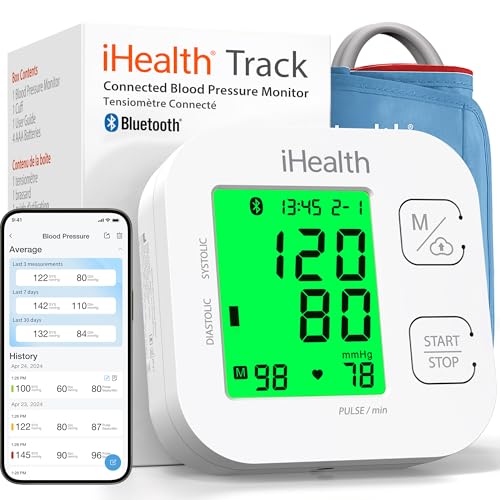
iHealth Track Smart Upper Arm Blood Pressure Monitor with Wide Range Cuff that fits Standard to Large Adult Arms, Bluetooth Compatible for iOS & Android Devices
Clinically Accurate: Easy Operation by two buttons, Advanced Accuracy, No Calibration required.
As an affiliate, we earn on qualifying purchases.
As an affiliate, we earn on qualifying purchases.
Frequently Asked Questions
How Does Pregnancy Influence Long-Term Heart Health in Women?
Pregnancy can considerably impact your long-term heart health, especially if you experience pregnancy complications like preeclampsia or gestational hypertension. These issues increase your risk of developing cardiovascular problems later in life. By managing these complications during pregnancy and maintaining a healthy lifestyle afterward, you can help protect your heart. Regular check-ups and early intervention are key to ensuring your long-term heart health remains strong.
Are There Specific Warning Signs of Heart Disease Unique to Women?
Think of your body as a map with hidden signs. You might notice heart attack symptoms like chest pain, shortness of breath, or pain in your neck or jaw. Stroke indicators include sudden weakness, confusion, or vision changes. Women often experience these warning signs differently than men, so paying close attention and acting fast can save your life. Recognize these clues early, and you can navigate to safety.
How Do Hormonal Changes Affect Women’s Cardiovascular Risk?
Hormonal fluctuations profoundly impact your cardiovascular risk by altering estrogen levels, which protect your heart. When estrogen levels drop during menopause, your arteries can become less flexible, increasing the risk of plaque buildup and high blood pressure. These hormonal changes can also influence cholesterol levels, making you more vulnerable to heart disease. Staying active, maintaining a healthy diet, and regular check-ups help mitigate these effects.
What Role Does Menopause Play in Women’s Heart Disease Risk?
Think of menopause as a turning point, like a switch that alters hormonal fluctuations and accelerates aging. This shift increases your risk of heart disease as estrogen levels drop, losing its protective effect. Data shows women’s risk rises sharply after menopause, making it essential to monitor blood pressure, cholesterol, and lifestyle. Embracing healthy habits during this phase can help you lower your risk and protect your heart.
Are Women Less Likely to Receive Appropriate Cardiovascular Treatment?
Yes, women are less likely to receive appropriate cardiovascular treatment due to gender disparities and healthcare bias. You might notice that doctors sometimes dismiss women’s symptoms or attribute them to less serious causes, delaying proper diagnosis and care. This bias can lead to worse health outcomes. It’s essential for you to advocate for your health, ask questions, and seek specialists who understand women’s unique cardiovascular risks.

My Best Heart Blood Pressure Support Supplement | 8 US Patents, 94+ Patent Claims | Cardiologist Developed | Red Spinach, Potassium Nitrates, Iron & Nitric Oxide Enzymes for Heart Health | 90 Capsules
8 US PATENTS & 99+ PATENT CLAIMS: My Best Heart is protected by 8 United States patents and…
As an affiliate, we earn on qualifying purchases.
As an affiliate, we earn on qualifying purchases.
Conclusion
Remember, your heart’s health isn’t just a chapter in your story — it’s the whole book. Women face unique risks that demand your attention and action. By staying informed and proactive, you can turn the tide against cardiovascular disease. Don’t let it be the silent thief in your life; instead, be the hero who takes charge. Your heart’s future depends on the choices you make today — because your health isn’t just a gift, it’s a legacy.

40-in-1 Menopause Supplements for Women, Multibenefit & Complete Black Cohosh for Hot Flashes, Night Sweats & Hormone Balance, w/ Probiotics, DIM, Vitex, Dong Quai, Red Clover and More, 120 Vegan Caps
Menopause Relief and Hormonal Balance: Our comprehensive hormone supplement is specifically designed for women menopause. It features a…
As an affiliate, we earn on qualifying purchases.
As an affiliate, we earn on qualifying purchases.

Allura & Arcia 52 Stress Less & Self Care Cards – Mindfulness & Meditation Exercises – Anxiety Relief & Relaxation
52 EASY EXERCISES FOR EVERYONE: This unique Self Care Deck contains 52 extremely effective exercises for mindfulness, meditation,…
As an affiliate, we earn on qualifying purchases.
As an affiliate, we earn on qualifying purchases.