Mindfulness meditation helps you reduce stress and improves emotional stability by encouraging present-moment awareness and non-judgmental acceptance of your thoughts and feelings. You can focus on your breath, sensations, or sounds, training your mind to stay grounded during hectic moments. Daily practice, even for just 10 minutes, can strengthen your patience, resilience, and emotional regulation. Keep exploring, and you’ll discover practical techniques to integrate mindfulness into your everyday life.

Get health and wellness essentials delivered free — and shop member deals
- Fast, free delivery on millions of items
- Access to Prime Big Deal Days deals on October 6–7
- Prime Video, Amazon Music and more included
Key Takeaways
- Mindfulness meditation fosters stress reduction and emotional stability by encouraging awareness of thoughts and feelings without judgment.
- Core techniques include focusing on breath, sensations, or sounds, and acknowledging drifting thoughts to stay present.
- Regular practice, even for 10 minutes daily, enhances resilience, patience, and the ability to handle daily pressures effectively.
- It improves emotional regulation by increasing awareness of bodily cues and cultivating inner stability and compassion.
- Integrating mindfulness into daily routines through walking or eating deepens benefits and promotes a calm, balanced mindset.
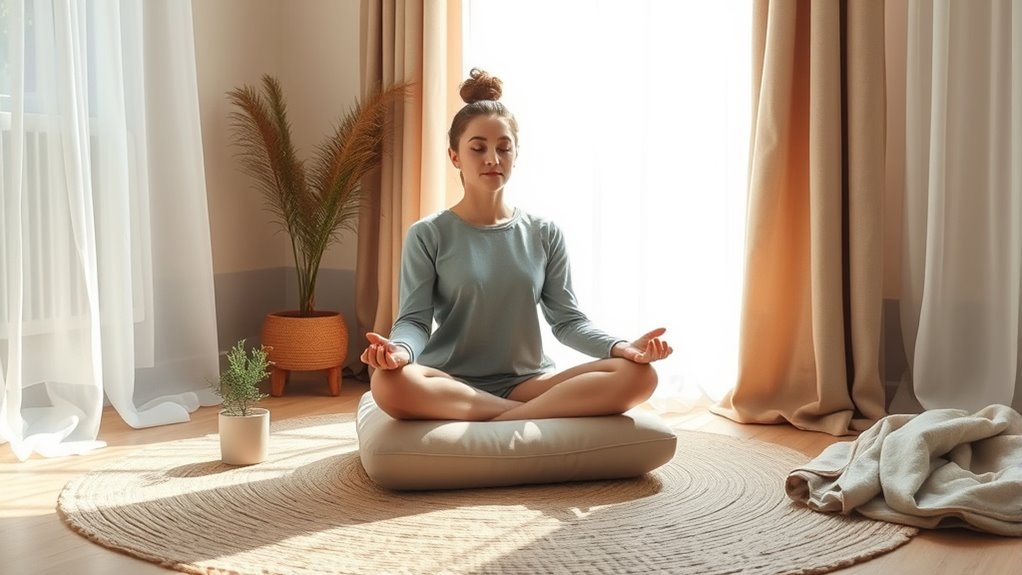
Have you ever wondered how to find calm amid daily stress? If so, mindfulness meditation might be just what you need. It’s a practice that helps you pause, breathe, and become more aware of your thoughts and feelings without judgment. One of its key benefits is stress reduction, which allows you to handle everyday pressures more effectively. When you practice regularly, you create a mental space where stress is less overwhelming, making it easier to stay grounded even during hectic moments. Mindfulness also plays a vital role in emotional regulation, helping you manage your reactions and cultivate a sense of inner stability. Instead of being swept away by emotions like anger, anxiety, or frustration, you learn to observe them without immediately reacting, which fosters healthier responses over time.
Practicing mindfulness reduces stress and enhances emotional stability in daily life.
The core technique involves focusing on your breath, sensations, or sounds in your environment. You might sit quietly, close your eyes, and pay close attention to the feeling of air entering and leaving your lungs. As thoughts drift in—which they inevitably will—you acknowledge them without judgment and gently bring your focus back to your breath. This process trains your mind to stay present, reducing the tendency to ruminate on worries about the past or future. Over days and weeks, this practice becomes easier, and you’ll notice a shift in how you respond to stressors. You might find yourself feeling less reactive, more patient, and better able to handle challenging situations with a clearer mind.
Another technique involves body scans, where you systematically focus attention on different parts of your body, noticing sensations without trying to change anything. This helps ground you in the present moment and fosters emotional regulation by increasing awareness of bodily cues associated with stress or tension. Incorporating mindful walking or eating into your routine can also deepen your practice. These activities turn everyday moments into opportunities for mindfulness, helping you stay centered amid chaos. Consistency is key—developing a daily habit of even just ten minutes can markedly improve your ability to manage stress and regulate emotions. As you continue, you’ll likely notice not only a reduction in stress but also an enhanced sense of compassion and patience toward yourself and others. Additionally, understanding how to identify stress triggers can further empower your practice and resilience.
In essence, mindfulness meditation offers simple yet profound tools to navigate a hectic world. It’s accessible to everyone and adaptable to your schedule. By dedicating a few moments each day, you can build resilience, foster emotional balance, and experience greater peace of mind. Over time, these practices become a natural part of your life, empowering you to face daily challenges with calm, clarity, and confidence.
As an affiliate, we earn on qualifying purchases.
Frequently Asked Questions
Can Mindfulness Meditation Help With Chronic Pain Management?
Yes, mindfulness benefits can markedly aid in pain management. By practicing mindfulness meditation, you can learn to observe your pain without judgment, which helps reduce its emotional impact. This technique promotes relaxation and mental clarity, making it easier to cope with chronic pain. Regular practice can lead to decreased pain perception and improved overall well-being, empowering you to manage your condition more effectively and enjoy a better quality of life.
How Long Does It Take to See Benefits From Meditation?
Imagine planting a seed; you won’t see the bloom overnight. With consistent meditation duration, you can start noticing benefits within a few weeks, often around 4 to 8 weeks. The benefits timeline varies based on your practice frequency and dedication. Stay committed, and over time, the calming effects and mental clarity will become more evident, like a garden blossoming with patience and care.
Is Mindfulness Meditation Suitable for Children and Teenagers?
Yes, mindfulness meditation is suitable for children and teenagers. It helps improve children’s focus, making it easier for them to concentrate on schoolwork. For teens, it can reduce anxiety and emotional stress, supporting better mental health. Keep sessions short and engaging, using simple techniques like breathing exercises or guided imagery. With regular practice, your child or teen can develop valuable skills for managing emotions and staying present, benefiting their overall well-being.
Are There Any Risks or Side Effects of Mindfulness Meditation?
While mindfulness meditation is generally safe, you should be aware of potential risks and how it might affect mental health. Some people might experience increased anxiety, emotional discomfort, or flashbacks, especially if they have a history of trauma. To minimize these risks, start slowly, listen to your body, and consider consulting a mental health professional if you have concerns. Always prioritize your mental well-being during your practice.
How Does Mindfulness Meditation Compare to Other Stress Reduction Techniques?
You’ll find that mindfulness meditation often ranks highly in meditation effectiveness for stress reduction compared to other methods like deep breathing or progressive relaxation. It encourages present-moment awareness, which can lead to deeper emotional regulation and mental clarity. While some stress reduction methods are quicker, mindfulness meditation offers long-term benefits by fostering sustained mental resilience. Overall, it’s a versatile technique that complements other stress relief strategies, enhancing overall well-being.
As an affiliate, we earn on qualifying purchases.
Conclusion
As you embrace mindfulness meditation, you’re planting seeds of calm that blossom into lasting peace. Each breath becomes a gentle tide washing away stress, guiding you to a calmer shore. With patience and practice, you’ll discover a inner sanctuary—your personal lighthouse amid life’s storms. Keep tending this garden of awareness, and watch how clarity and tranquility flourish, illuminating your path like a radiant sunrise. Your journey to peace starts now—step into the light.
As an affiliate, we earn on qualifying purchases.
mindfulness breathing exercises kit
As an affiliate, we earn on qualifying purchases.
As an affiliate, we earn on qualifying purchases.
Fall Picks
fall essentials
As an affiliate, we earn on qualifying purchases.