TL;DR

Get health and wellness essentials delivered free with Prime
- Fast, free delivery on millions of items
- Prime Video, Amazon Music and more included
- Member-only deals all year
A doctoral thesis from Umeå University finds that hip fracture risk, mortality and recovery among adults aged 85 and older are associated with health and life circumstances, not chronological age alone. Nearly half of the oldest adults in the research died within a year of a fracture, while recovery experiences varied and could include setbacks.
A doctoral thesis from Umeå University finds that hip fracture outcomes among people aged 85 and older are associated with physical health, medical conditions and psychological well-being—not age alone. The report says nearly half of the oldest adults studied died within one year of a fracture, underscoring the range of health and care needs that can follow the injury.
In her thesis, Erika Olofsson, a doctoral student in Umeå University’s Department of Nursing, examined factors associated with hip fracture and mortality among adults aged 85 and older. She also used repeated interviews during the first year after a fracture to explore how older adults experienced recovery. The research considered both health-related factors and patients’ accounts of changes in everyday life.
The findings indicate that risk factors for sustaining a fracture differed between women and men. The overall risk at very advanced age was reported as roughly similar for both sexes. Among women, greater independence in everyday activities was associated with increased fracture risk. Olofsson said this may reflect more exposure to situations in which falls can happen; the finding does not mean that independence itself causes fractures.
After a fracture, mortality was associated with underlying conditions and vulnerability. The thesis linked depression, previous stroke and subtrochanteric fracture with increased mortality. In analyses of outcomes over the first three years, dementia—on its own and alongside depressive symptoms—was associated with increased mortality at each follow-up point. Depression alone, however, had no statistically significant association with mortality in that analysis.
Care After a Hip Fracture
The findings matter because a hip fracture can affect survival, mobility and independence, and older adults do not all face the same risks or recovery path. The thesis argues against treating chronological age as a sufficient measure of vulnerability. Health conditions, physical function and psychological well-being can help shape the support a person may need.
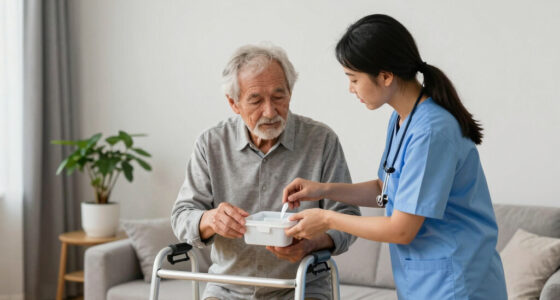
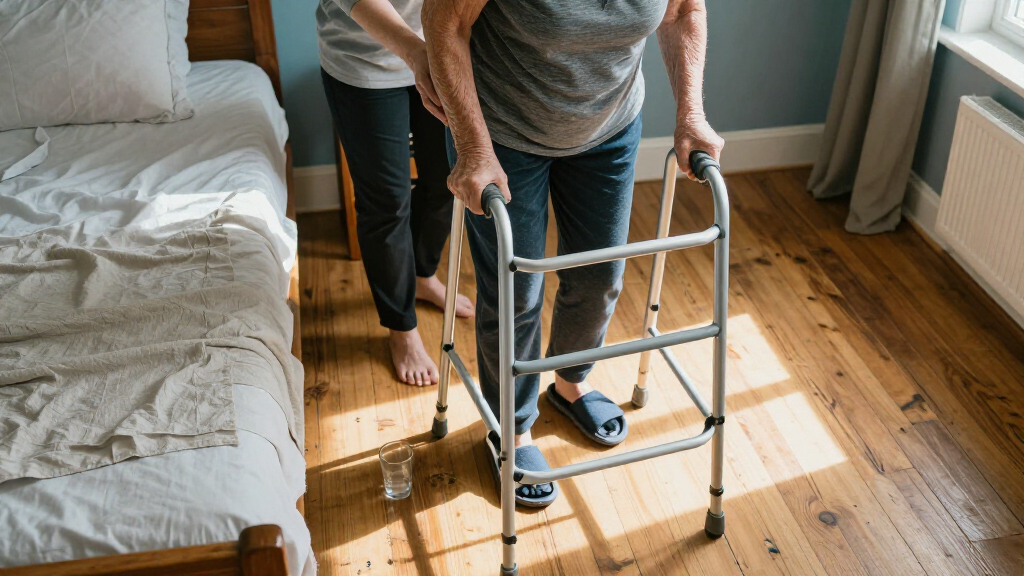
Interviews showed that recovery was not necessarily a steady return to previous abilities. Participants described progress followed by setbacks, with everyday activities, fear of another fall, family support and independence central to their experience. Some still had difficulties a year after the fracture. These accounts point to consequences that extend beyond the initial orthopedic injury, though the thesis does not establish that any particular care approach will improve outcomes.
hip protector underwear for elderly fall prevention
As an affiliate, we earn on qualifying purchases.
As an affiliate, we earn on qualifying purchases.
The Study of Adults Over 85
Hip fracture is a serious injury affecting about 17,000 people each year in Sweden, primarily older adults, according to the report. It can lead to lasting functional impairment, loss of independence and a higher risk of death. The national figure gives the scale of the issue in Sweden; it is not an estimate of the number of people in Olofsson’s thesis.
The research focused on people aged 85 and older, a group whose health and circumstances can vary widely. Olofsson’s work covered fracture-associated factors, mortality and recovery experiences. The report describes associations in the findings; it does not provide enough detail to establish that the identified conditions directly caused fractures or deaths.
“An important and striking finding was the high mortality rate among the oldest old adults following a hip fracture. I also found that dementia in combination with depressive symptoms was associated with increased mortality.”
— Erika Olofsson, doctoral student at Umeå University’s Department of Nursing
bedside commode for seniors after hip surgery
As an affiliate, we earn on qualifying purchases.
As an affiliate, we earn on qualifying purchases.
Limits of the Reported Findings
The source report does not give the thesis’s full methods, sample sizes, precise mortality estimates beyond saying nearly half of the oldest adults died within a year, or details about how participants were selected. The figure should not be read as a prediction for every person aged 85 or older who breaks a hip. The report also does not establish that the associated conditions caused the outcomes.
It is not clear from the report how the findings might apply to people outside Sweden or to younger age groups. Nor does the summary specify which individual care interventions were tested. The reported associations can inform understanding of risk and recovery, but do not by themselves show which treatment or support plan is most effective.
walker with wheels and seat for elderly mobility
As an affiliate, we earn on qualifying purchases.
As an affiliate, we earn on qualifying purchases.
Applying the Findings to Care
The thesis calls for care and support to reflect each person’s health, function and circumstances, rather than relying on age alone. For clinicians and care teams, the reported findings highlight the need to consider medical conditions and psychological well-being alongside the fracture and a person’s functional needs.
The report does not announce a new clinical guideline or a specific follow-up study. Further detail about the thesis methods and results would help readers assess how broadly the findings apply. In the meantime, recovery remains an individual process, and the source emphasizes that support should account for each older adult’s situation.
raised toilet seat with handles for hip replacement recovery
As an affiliate, we earn on qualifying purchases.
As an affiliate, we earn on qualifying purchases.
Key Questions
What did the Umeå University thesis examine?
Doctoral student Erika Olofsson studied factors associated with hip fracture and mortality among people aged 85 and older, and interviewed older adults about recovery during the first year after a fracture.
Does the thesis say age alone determines recovery?
No. The report says outcomes are associated with physical health, medical conditions and psychological well-being as well as age. It describes older adults as having varied health, circumstances and recovery potential.
Which conditions were associated with higher mortality?
The report links depression, previous stroke and subtrochanteric fracture with increased mortality. Dementia, both alone and with depressive symptoms, was associated with increased mortality at all reported follow-up points. Depression alone did not have a statistically significant association in that analysis.
What did older adults say recovery was like?
Interview accounts described recovery as a changing process that could include progress and setbacks. Managing daily activities, fear of falling again, family support and maintaining independence were prominent concerns; some participants still faced difficulties at one year.
Does the reported mortality figure apply to everyone over 85 who breaks a hip?
No. The report says nearly half of the oldest adults in the research died within one year, but the summary does not provide enough methodological detail to treat that figure as a prediction for every person over 85. Individual outcomes vary, and medical decisions should be discussed with qualified health professionals.
Source: rss
Halloween Picks
halloween
As an affiliate, we earn on qualifying purchases.