
TL;DR
This article examines how societal standards influence perceptions of aging, the rise of cosmetic procedures, and the ongoing debate about body image. It highlights confirmed trends and ongoing uncertainties about future developments.
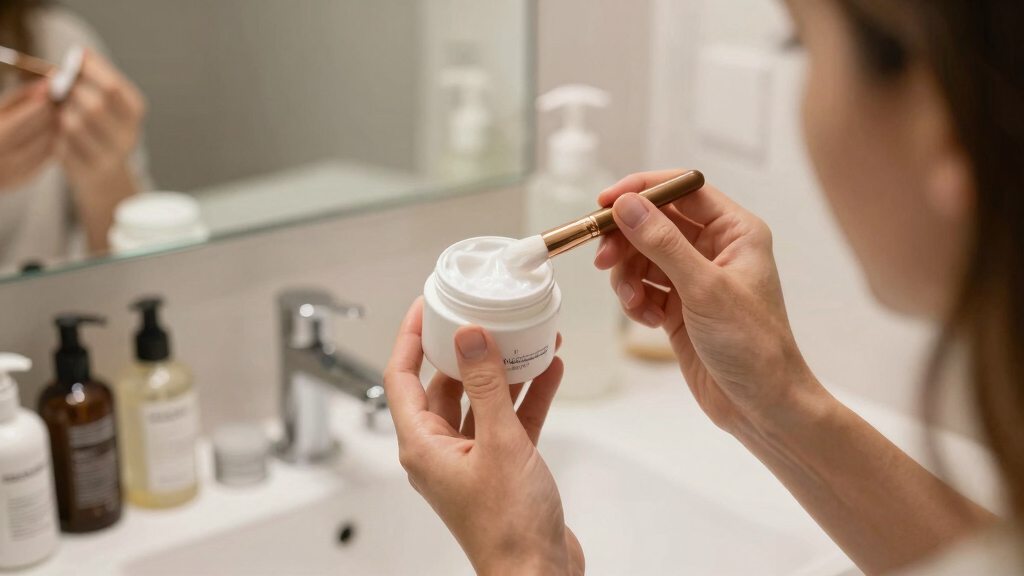
Recent data confirms that the prevalence of cosmetic procedures such as Botox, fillers, and facelifts has surged significantly between 2019 and 2023, reflecting increasing societal pressure to maintain a youthful appearance. This trend matters because it reveals evolving standards of beauty and raises questions about identity and self-perception in a society obsessed with aging gracefully—or not aging at all.
According to the American Society of Plastic Surgeons, the use of Botox and similar neuromodulators increased by 73 percent from 2019 to 2022, while fillers remained highly popular in 2024. Surgeons also reported a 60 percent rise in facelifts since 2017, with younger patients seeking these treatments more frequently. Globally, aesthetic procedures increased by 40 percent between 2020 and 2023, highlighting a widespread trend towards modifying appearance.
Simultaneously, societal attitudes toward body image are shifting, with nearly one in eight American adults taking GLP-1 drugs like Ozempic for weight loss, driven by the desire to appear smaller and more desirable. These trends are driven by social media, celebrity influence, and a cultural fixation on youth and beauty, often leading individuals to pursue invasive or minimally invasive procedures to alter their bodies and faces.
Why It Matters
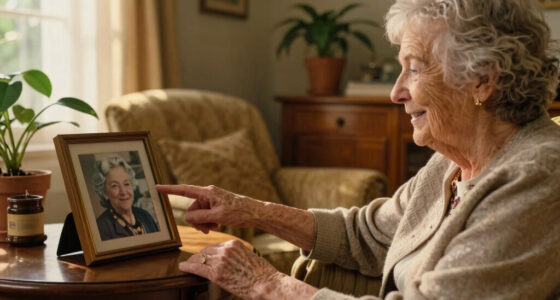
This matters because it reflects a societal obsession with youthfulness and beauty, which can impact mental health, self-esteem, and social dynamics. The normalization of cosmetic procedures raises questions about authenticity, identity, and the pressure to conform to idealized standards, especially as the line between natural aging and artificial enhancement blurs.
Botox anti-aging treatment
As an affiliate, we earn on qualifying purchases.
As an affiliate, we earn on qualifying purchases.
Background
Historically, concerns about aging and appearance have been shaped by media, fashion, and cultural norms. The early 2000s saw a surge in beauty ideals emphasizing youth and thinness, which have persisted and intensified with social media. Recent years have seen a 73 percent increase in Botox use and a 60 percent rise in facelifts since 2017, indicating a societal shift toward proactive aging modification. The popularity of weight-loss drugs like Ozempic further exemplifies the desire to control body image and societal perceptions of attractiveness.
“Today, people in their late 20s are concerned about looking ageless, not just younger. The pressure to appear youthful is more intense than ever.”
— Vivian Diller, psychologist and author
“Between 2019 and 2022, Botox procedures increased by 73 percent, illustrating the rising demand for minimally invasive anti-aging treatments.”
— American Society of Plastic Surgeons
dermal fillers for face
As an affiliate, we earn on qualifying purchases.
As an affiliate, we earn on qualifying purchases.
What Remains Unclear
It remains unclear how long these trends will continue or whether societal attitudes toward aging will shift toward greater acceptance of natural aging. The impact of emerging technologies, such as non-invasive treatments or digital alterations, on future standards is still developing. Additionally, the long-term psychological effects of widespread cosmetic intervention are not yet fully understood.
facelift surgical procedure
As an affiliate, we earn on qualifying purchases.
As an affiliate, we earn on qualifying purchases.
What’s Next
Experts anticipate continued growth in cosmetic procedures and body modification trends, driven by technological advances and cultural shifts. Future developments may include more accessible, less invasive treatments and increased societal discourse on aging acceptance. Monitoring public attitudes and mental health outcomes will be crucial in understanding the broader implications.
Key Questions
Why are cosmetic procedures becoming more popular among younger adults?
They are driven by societal pressures to appear youthful and attractive, amplified by social media, celebrity influence, and changing beauty standards that emphasize agelessness and perfection.
Are these trends safe and sustainable?
Most procedures like Botox and fillers are considered safe when performed by qualified professionals, but long-term effects and risks of repeated treatments are still being studied. The sustainability of societal beauty standards is uncertain and subject to cultural shifts.
What impact do these trends have on mental health?
While some individuals may experience increased confidence, others may develop body image issues or feel pressured to conform, which can negatively affect mental health. Ongoing research is examining these effects.
Will natural aging become more accepted in the future?
This remains uncertain. Cultural attitudes toward aging vary, and some movements advocate for greater acceptance of natural aging, but societal standards currently favor youthfulness.