

Stem cell research has the potential to revolutionize anti-aging by helping your body regenerate tissues, reverse age-related decline, and extend your healthspan. Advances in stem cell technology focus on repairing damage and restoring function, offering hope for longer, healthier lives. However, ethical concerns and regulations vary worldwide, affecting how quickly these therapies become available. Exploring this area further will reveal how science and ethics are shaping the future of anti-aging treatments.
Key Takeaways
- Stem cell research offers promising therapies to extend healthspan and reverse age-related tissue decline.
- Ethical debates, especially around embryonic stem cells, influence research directions and public acceptance.
- Regulatory standards vary globally, affecting access to safe and effective anti-aging stem cell treatments.
- Advances in stem cell technology aim to develop safe, ethically sound regenerative therapies for aging.
- Responsible innovation requires balancing scientific progress with moral considerations and transparent policies.

Stem cell research is revolutionizing the way we approach aging, offering promising possibilities for extending healthspan and reversing age-related decline. As advancements continue, it’s natural to wonder about the ethical implications that come with manipulating human cells at such a fundamental level. You might ask yourself: Is it right to harvest embryonic stem cells, or should we focus on adult or induced pluripotent stem cells to avoid moral dilemmas? These questions are at the heart of ongoing debates, as scientists and policymakers work to balance innovation with moral responsibility. The ethical considerations aren’t just about the origins of stem cells but also concern the potential to create enhanced or “designer” humans, which raises concerns about inequality and what it means to be human. It’s essential to recognize that these ethical implications influence public perception, funding, and regulation, shaping the pace and direction of research. Additionally, public perception often hinges on how transparent and ethically sound the research appears to be, impacting funding and policy decisions.
Alongside ethical issues, regulatory challenges play a significant role in determining how stem cell therapies reach the public. Different countries have varying standards, which can slow down promising treatments or, in some cases, allow unproven and potentially unsafe procedures to proliferate. You need to be aware that orchestrating this complex landscape requires not only scientific rigor but also compliance with evolving laws and guidelines. Regulatory agencies aim to protect patients from experimental or risky treatments, but overly restrictive policies might delay access to life-changing therapies. Conversely, lax regulations can lead to scams or treatments that lack sufficient evidence of safety and efficacy. This delicate balance is vital for ensuring that stem cell therapies are both safe and accessible, but it remains a persistent challenge for researchers and clinicians.
As you consider the future of anti-aging treatments, it’s clear that the intersection of ethical implications and regulatory challenges will shape what’s possible. Researchers are pushing forward with innovative therapies, but societal consensus and legal frameworks need to keep pace to prevent misuse and ensure responsible progress. You should stay informed about ongoing debates and policy changes, as they will influence how stem cell science translates into real-world anti-aging solutions. Ultimately, the goal is to harness the incredible potential of stem cells to improve quality of life without crossing ethical boundaries or risking public health. As the field advances, careful steering of these issues will be critical to turning scientific breakthroughs into safe, effective, and ethically sound treatments for aging.
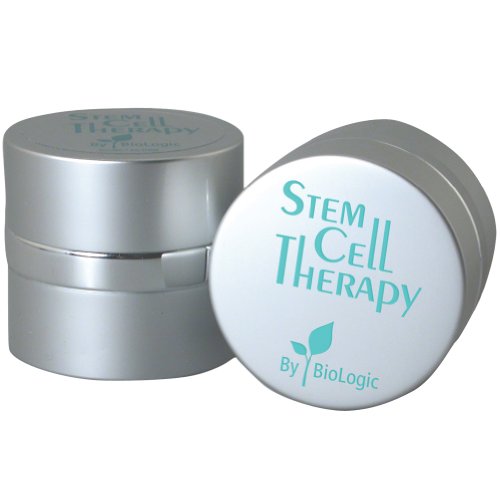
STEM CELL THERAPY CREAM BY BIOLOGIC 1oz JAR
Test results show that with regular use, you will look years younger! There is no other anti-aging formula…
As an affiliate, we earn on qualifying purchases.
As an affiliate, we earn on qualifying purchases.
Frequently Asked Questions
Are Stem Cell Therapies Approved for Anti-Aging Purposes?
Stem cell therapies aren’t currently approved for anti-aging purposes. Regulatory approval for these treatments remains limited, mainly due to concerns about safety and treatment effectiveness. You should be cautious, as many clinics promote unproven therapies that haven’t undergone rigorous testing. Always consult with a healthcare professional before considering any stem cell treatment, and rely on therapies that have been thoroughly vetted and approved by relevant authorities.
What Are the Potential Risks of Stem Cell Treatments for Aging?
Did you know that up to 30% of stem cell treatments face immune rejection? You should be aware that risks include stem cell mutations, which can lead to abnormal growths or tumors, and immune rejection, where your body attacks the transplanted cells. These complications highlight the importance of thorough testing and regulation, as improper procedures could cause more harm than good in your anti-aging journey.
How Long Does It Take to See Anti-Aging Results From Stem Cell Therapy?
You might start seeing visible improvements from stem cell therapy within a few weeks to a few months, but timing expectations vary depending on individual factors. Some people notice subtle changes early on, while others may need more time for noticeable results. Patience is key, as the full benefits often develop gradually over several months. Keep in touch with your healthcare provider to track progress and adjust expectations accordingly.
Are There Any Ethical Concerns Regarding Stem Cell Use in Anti-Aging?
Yes, there are ethical concerns about using stem cells for anti-aging. You should consider embryonic ethics, as some stem cells come from early-stage embryos, raising questions about moral status. Additionally, donor consent is essential; you need to verify that donors willingly agree to their cells being used. These issues prompt ongoing debates about the morality and transparency of stem cell therapies in anti-aging treatments.
What Is the Cost of Stem Cell Treatments for Anti-Aging?
The cost of stem cell treatments for anti-aging varies widely, ranging from $5,000 to $50,000 per session, depending on the procedure and clinic. This cost variability impacts treatment accessibility, often making it a luxury for many. While some clinics offer financing options, you’ll need to weigh the potential benefits against the expense, as these treatments are typically not covered by insurance and can strain your budget.

Qualia Stem Cell — Stem Cell Supplement Support with Royal Jelly, Astragalus & Sea Buckthorn | 16 Ingredients | 4 Days a Month | Helps Body Naturally heal*
SUPPORTS HEALTHY STEM CELL FUNCTION – Qualia Stem Cell supports 6 aspects of healthy stem cell function—survival, self-renewal,…
As an affiliate, we earn on qualifying purchases.
As an affiliate, we earn on qualifying purchases.
Conclusion
Think of stem cell research as a fountain of youth, offering the promise of revitalizing aging bodies. While it’s not a magic wand yet, every discovery brings you closer to turning back the clock. Your future could hold a life where aging slows down, much like a river flowing steadily without losing its sparkle. Stay hopeful and engaged—you’re part of this exciting journey toward a healthier, more youthful you.

Stem-Cell Exosome Skin Booster Kit Booster Ampoule| Exosome, PDRN, Peptide, Collagen | Rejuvenation, Hydration, Anti-Aging | Korean Skincare 30ml (Solutions 0.01 oz x 5 Vials/Ampoule 1.01 fl.oz)
Stem-Cell Exosome Skin Booster Kit
As an affiliate, we earn on qualifying purchases.
As an affiliate, we earn on qualifying purchases.
Stem Cells: The Ethical Issues
As an affiliate, we earn on qualifying purchases.
As an affiliate, we earn on qualifying purchases.