
Cold exposure therapy involves intentionally exposing yourself to cold temperatures, like cold showers or icy dips, to boost your mental resilience and strengthen your immune system. It triggers physiological changes such as increased white blood cell production and adaptive responses that help you handle stress better. Consistency and gradual exposure are key to gaining these benefits. Explore more to discover how you can safely incorporate cold exposure into your routine for lasting health improvements.
Key Takeaways
- Cold exposure activates physiological responses that strengthen immune function and promote adaptive stress resilience.
- Regular practice involves gradual exposure to cold temperatures, such as cold showers or icy dips, to build tolerance.
- Cold therapy enhances mental resilience by fostering calmness and focus under pressure through repeated exposure.
- Physiological benefits include increased white blood cell production and cytokine regulation, supporting overall health.
- Consistency and proper breathing techniques are essential for safe practice and maximizing long-term physical and mental benefits.

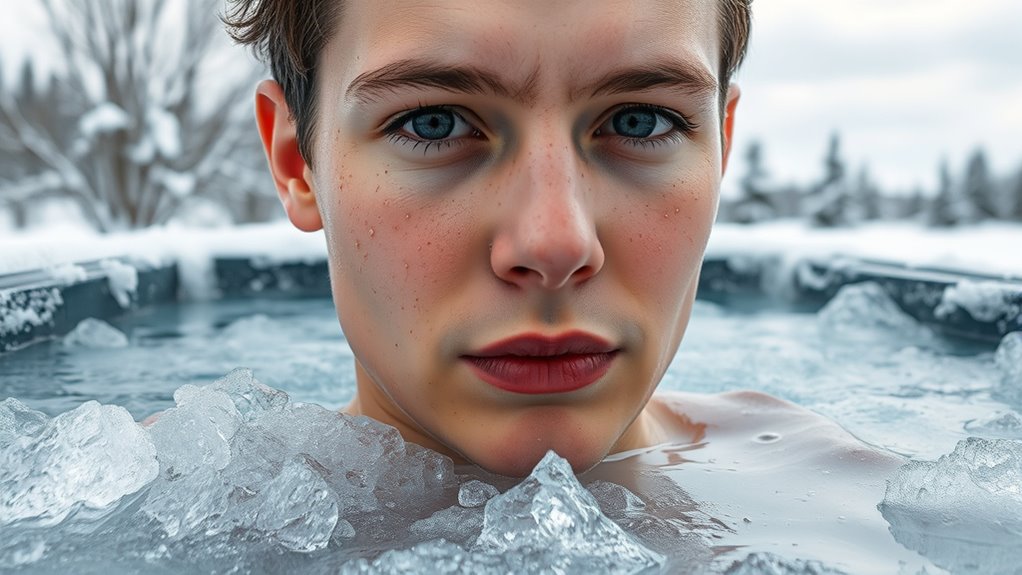
Cold exposure therapy involves deliberately exposing your body to cold temperatures to boost health benefits. This practice isn’t just about shivering; it’s a way to build mental resilience and strengthen your immune system. When you step into cold water or stand outside in chilly weather, your body responds by activating several adaptive mechanisms. Over time, these responses can help you develop a stronger mental outlook, making you better equipped to handle stress and adversity. The mental resilience gained from regular cold exposure isn’t just psychological; it’s rooted in physiological changes that enhance your ability to stay calm and focused under pressure.
One of the key benefits of cold exposure is its impact on your immune system. When you expose yourself to cold, your body kicks into gear, producing more white blood cells, which play a vital role in fighting off illnesses. This boost in immune function can make you less susceptible to common colds, flu, and other infections. Regular cold exposure has been shown to increase your body’s production of cytokines—proteins that help regulate immune responses—leading to a more robust defense against pathogens. As your immune system adapts to this regular challenge, you may find that you recover faster from illnesses and experience fewer infections overall.
To safely incorporate cold exposure into your routine, start gradually. You might begin with a brief cold shower or a quick dip in icy water, increasing exposure time as your body adapts. Consistency is key; doing this several times a week can produce noticeable benefits. Focus on breathing deeply and staying relaxed during each session, as this helps your body manage the cold more effectively and enhances the mental resilience aspect. Over time, you’ll notice that tolerating colder environments becomes easier, and your mind becomes more resilient against stressors in everyday life.
Frequently Asked Questions
How Quickly Can I Expect Benefits From Cold Exposure Therapy?
You can start noticing benefits from cold exposure therapy within a few days to weeks. As you regularly practice, you’ll enhance cold adaptation and build mental resilience. Initially, you might feel more energized and focused, with improvements in mood and stress management emerging over time. Consistency is key; the more you expose yourself safely, the quicker you’ll experience these positive effects, strengthening both your body and mind.
Are There Any Risks for People With Cardiovascular Issues?
Think of cold exposure like a sharp gust of wind—refreshing but potentially risky if you’re unprepared. If you have cardiovascular issues, cold exposure can increase risks like heart strain or irregular heartbeat. Always consult your healthcare provider before starting, and follow health precautions carefully. Monitoring your body’s response is essential, especially if you have existing conditions. Cold therapy isn’t one-size-fits-all, so prioritize safety to avoid unintended harm.
Can Cold Exposure Replace Traditional Medical Treatments?
Cold exposure can’t substitute traditional medical treatments, as it’s primarily considered an alternative medicine. While some people experience benefits, the placebo effect may play a role in perceived improvements. You shouldn’t rely solely on cold therapy for serious health conditions. Always consult your healthcare provider before making changes, especially if you have existing health issues, to ensure safe and effective treatment options are in place.
What Is the Ideal Duration for Each Cold Exposure Session?
Think of cold exposure as a brief splash of icy water awakening your body’s inner fire. For most, a cold shock and thermogenic response kick in within 1 to 3 minutes, making this the ideal duration. Staying too long risks discomfort, while too short might not trigger benefits. Aim for 2 minutes, listening to your body’s signals, and gradually extend as you build resilience for maximum effect.
How Often Should I Practice Cold Exposure for Optimal Results?
You should practice cold exposure about 3 to 5 times a week to see ideal results. Follow the frequency guidelines to avoid overdoing it, which can lead to stress or discomfort. Consistency strategies, like setting a schedule and gradually increasing exposure time, help you stay committed. Listen to your body, and adjust your routine as needed to maintain progress without risking burnout or injury.
Conclusion
So, next time you brave the icy plunge, remember you’re not just cooling off—you’re practically turning into a superhero with superpowers! Cold exposure therapy can boost your mood, sharpen your mind, and make you nearly invincible against stress. Embrace the chill, and you might just discover that you’re capable of surviving the Arctic, conquer your fears, and become the coolest version of yourself—literally! Ready to freeze your way to greatness?