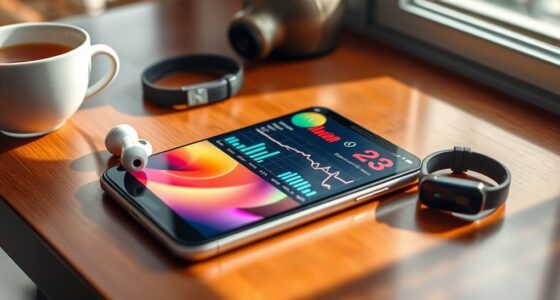
When you interpret your smartwatch health data, focus on sleep patterns and HRV trends to understand your overall wellness. Consistent sleep and stable HRV typically indicate good recovery and stress management, while persistent disruptions or declines may signal issues needing attention. Remember, temporary changes are normal, but ongoing declines should prompt further actions or consultation with healthcare professionals. Exploring your device’s insights more deeply will give you clearer guidance to improve your health habits.

Get health and wellness essentials delivered free — and shop member deals
- Fast, free delivery on millions of items
- Access to Prime Big Deal Days deals on October 6–7
- Prime Video, Amazon Music and more included
Key Takeaways
- Sleep tracking provides insights into sleep duration, quality, and patterns to identify areas for improvement.
- Heart Rate Variability (HRV) indicates stress levels, recovery, and overall resilience, guiding lifestyle adjustments.
- Consistent data review helps detect persistent issues and monitor health trends over time.
- Use app trend analysis to correlate metrics with habits, emotions, and routines for better health management.
- Remember, device data is a helpful tool but should be complemented with professional medical advice for concerning patterns.
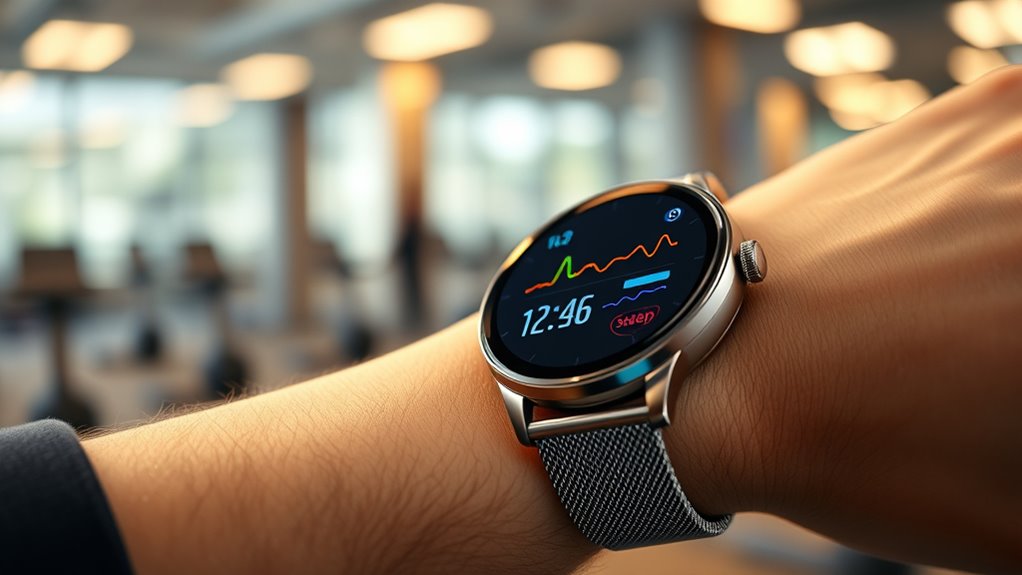
Smartwatches have revolutionized how you monitor your health by providing real-time data on various metrics. One of the key features they offer is sleep tracking, which helps you understand your sleep patterns better. When you wear your smartwatch overnight, it records how long you sleep, how often you wake up, and the quality of your rest. This data can reveal whether you’re getting enough restorative sleep or if interruptions are affecting your sleep cycle. By reviewing your sleep metrics regularly, you can identify habits that improve your rest, such as adjusting your bedtime or reducing screen time before sleep. Sleep tracking also highlights trends over days and weeks, making it easier to recognize persistent issues and discuss them with a healthcare professional if needed. Using passive voice detection tools can help you improve your writing clarity by identifying passive constructions in your reports or notes.
Another crucial metric that smartwatches measure is heart rate variability (HRV). Unlike your resting heart rate, which shows how fast your heart beats, HRV indicates the variation in time between consecutive beats. This measurement offers deeper insights into your autonomic nervous system, reflecting your body’s stress levels, recovery status, and overall resilience. When your HRV is high, it suggests your body is in a relaxed state, capable of effectively handling stress. Conversely, low HRV can indicate fatigue, stress, or overtraining. Monitoring HRV over time helps you fine-tune your lifestyle choices, like adjusting workout intensity or managing stress through relaxation techniques. It also provides early warning signs of health issues, prompting you to seek medical advice if your HRV remains consistently low.
Interpreting these metrics requires understanding what they signify about your health. For example, a decline in sleep quality or HRV might not be alarming if it’s temporary, but persistent changes warrant attention. Use your smartwatch’s app to track trends and correlate them with daily activities, diet, or emotional states. This contextual understanding allows you to make informed decisions about your routines, ensuring you’re optimizing your health. Remember, these devices are tools to guide you and not definitive medical diagnoses. If your data consistently shows concerning patterns, consult a healthcare professional for a detailed evaluation.
As an affiliate, we earn on qualifying purchases.
Frequently Asked Questions
How Accurate Are Smartwatch Heart Rate Readings?
Smartwatch heart rate readings are generally quite accurate, but sensor accuracy can vary depending on the device and how you wear it. You might notice some fluctuations, especially during intense activity or if the watch isn’t snug. For the most consistent data, make sure your smartwatch fits well and keeps good skin contact. While useful for tracking trends, don’t rely solely on it for medical decisions, as data consistency isn’t perfect.
Can Smartwatches Detect Early Signs of Health Issues?
Yes, smartwatches can help detect early signs of health issues by monitoring metrics like blood pressure and hydration levels. You can track changes over time, which may indicate potential problems. However, they shouldn’t replace professional medical advice. Regularly checking your blood pressure and hydration status with your smartwatch can alert you to abnormalities, prompting you to seek further evaluation from a healthcare provider.
How Should I Interpret Sleep Quality Data?
You should interpret your sleep quality data by examining your sleep stages, noting how much time you spend in light, deep, and REM sleep. If your data shows frequent awakenings or low deep sleep, consider adjusting your bedtime routines, like avoiding screens before bed or sticking to a consistent sleep schedule. Improving these habits can enhance overall sleep quality, helping you wake up feeling more refreshed.
Do Different Brands Measure Health Metrics Differently?
Think of each brand as a different language; they all aim to communicate your health, but the words differ. Yes, brands measure health metrics differently, leading to measurement variability. While some prioritize brand consistency, others may use unique algorithms, making comparisons tricky. You should view data as a guide, not gospel, and consider cross-referencing metrics from different brands for a clearer picture of your health.
Are Smartwatch Health Metrics Reliable for Medical Diagnosis?
Smartwatch health metrics aren’t fully reliable for medical diagnosis because they lack regulatory approval and can raise data privacy concerns. While they offer useful insights, you shouldn’t depend on them for serious health decisions. Always consult healthcare professionals for accurate diagnoses. Be cautious with your data privacy, and look for devices that have proper regulatory approval to ensure better accuracy and security.
As an affiliate, we earn on qualifying purchases.
Conclusion
So, next time you check your smartwatch, remember it’s more than just a gadget—it’s a window into your health. While some claim these devices can predict health issues before symptoms appear, the truth is still evolving. Keep monitoring your data, but don’t rely solely on tech. Trust your body and consult professionals when needed. Your smartwatch is a helpful tool, but your health’s real story comes from awareness and action.
smartwatch health metrics analysis
As an affiliate, we earn on qualifying purchases.
As an affiliate, we earn on qualifying purchases.
As an affiliate, we earn on qualifying purchases.
Fall Picks
fall essentials
As an affiliate, we earn on qualifying purchases.