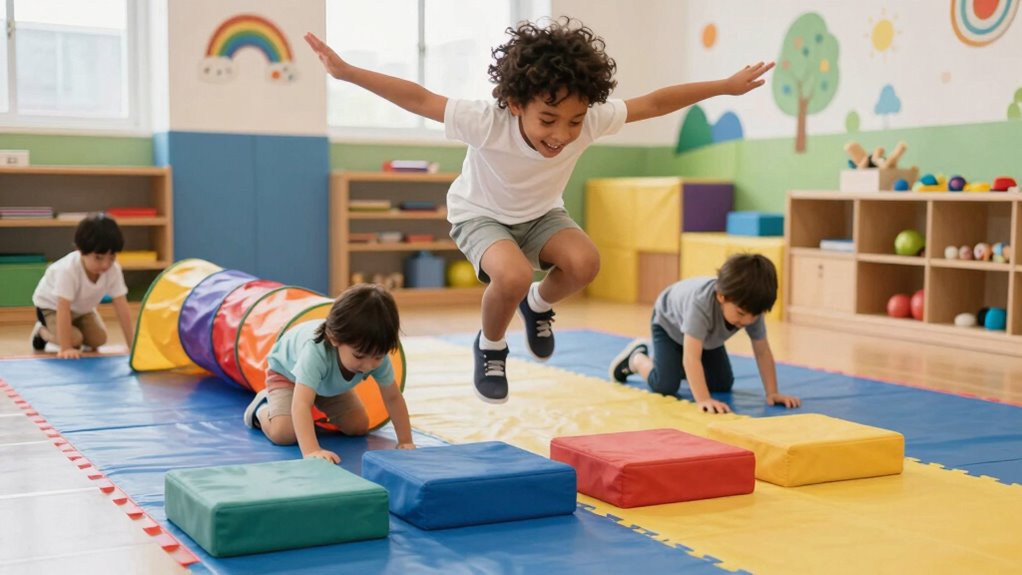

Gross motor play is essential for your child’s learning readiness because it supports overall development in areas like sensory processing, coordination, and social skills. By engaging in activities like climbing or running, your child improves balance, spatial awareness, and emotional resilience. These activities also help regulate energy and strengthen neural pathways involved in focus and problem-solving. As a result, your child’s confidence and ability to navigate classroom challenges grow. Keep exploring to discover how to foster this vital development.
Listen free for 30 days with Audible
Thousands of audiobooks and originals — cancel anytime.
As an affiliate, we earn on qualifying purchases.
Key Takeaways
- Gross motor play enhances sensory processing, spatial awareness, and coordination, laying a foundation for cognitive development.
- Active movement promotes social skills like sharing, cooperation, and empathy, essential for classroom interactions.
- Physical activity regulates energy levels and improves attention, supporting focus during learning tasks.
- Developing gross motor skills boosts self-esteem and independence, encouraging children to engage confidently in new challenges.
- Movement-based play prepares children for successful learning by fostering focus, emotional regulation, and resilience.
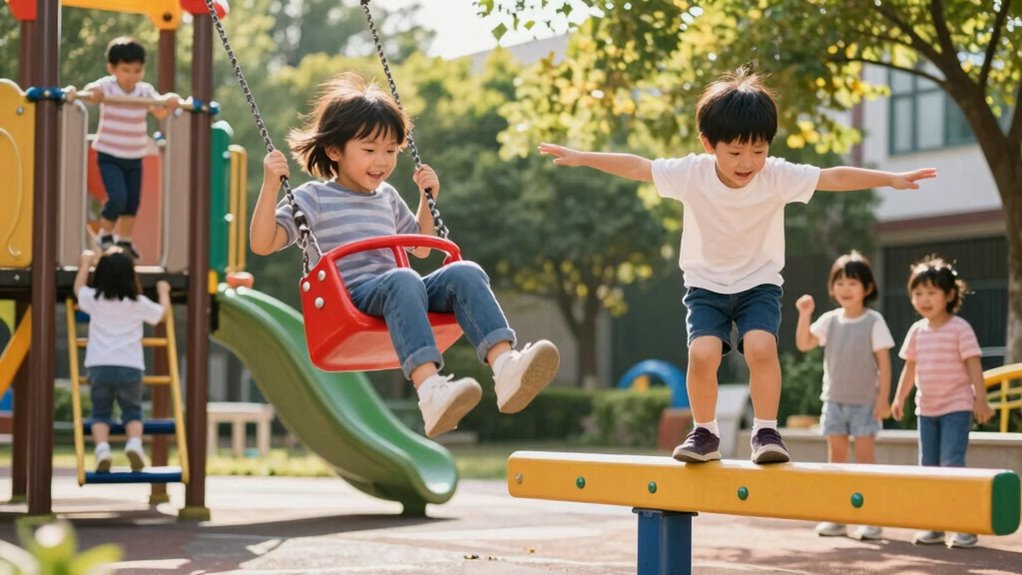
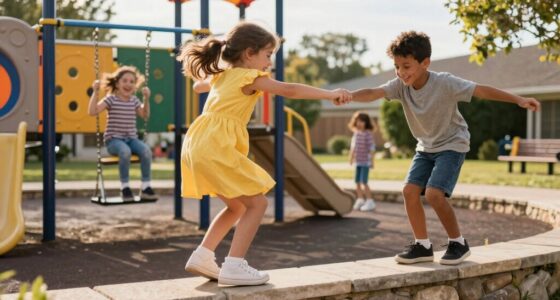
Gross motor play plays an essential role in preparing young children for successful learning. When you encourage activities like running, jumping, or climbing, you’re not just helping them burn off energy—you’re supporting fundamental developmental processes. One key aspect is sensory integration. As children move through different activities, their brains learn to process and respond to various sensory inputs—touch, sight, sound, and proprioception. This sensory integration is foundational for developing focus, coordination, and the ability to navigate complex tasks later in school. For example, climbing a jungle gym involves spatial awareness, balance, and tactile feedback, which all contribute to strengthening neural pathways that support learning readiness.
Gross motor activities support sensory integration, focus, coordination, and prepare children for successful learning and complex tasks.
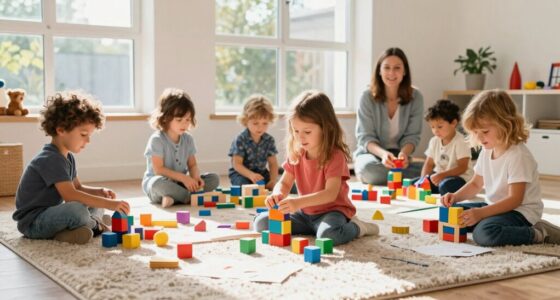
Beyond sensory development, gross motor play also fosters social interaction. When children engage in active play with peers, they learn essential social skills such as sharing, turn-taking, and cooperation. These interactions help them understand social cues and develop empathy, which are indispensable for classroom success. As a parent or caregiver, you’ll notice how children often negotiate rules, cheer each other on, or work together during physical activities. These experiences build confidence and emotional resilience, making children more prepared to handle structured learning environments. Plus, they learn how to express themselves and resolve conflicts, skills that are just as significant as academic knowledge.
You might see that children who participate in regular gross motor activities tend to be more attentive and less hyperactive in the classroom. That’s because physical activity helps regulate energy levels and reduces anxiety or frustration. When children move their bodies, they release pent-up energy, which improves their ability to focus during seated tasks like listening to stories or completing worksheets. The connection between physical activity and cognitive function is strong—movement stimulates brain areas involved in attention, memory, and problem-solving. Incorporating physical movement into daily routines can further enhance these benefits by actively engaging the brain in learning processes. Additionally, engaging in diverse motor skills helps develop neural pathways that are essential for complex cognitive functions, as supported by developmental research.
Additionally, engaging in gross motor play can boost your child’s self-esteem and independence. As they master new skills, they gain confidence that spills over into other areas of development. They become more willing to try new things, take on challenges, and persist through difficulties—all qualities that support a positive attitude toward learning. By integrating movement into daily routines, you’re helping your child develop a well-rounded foundation for academic achievement, social skills, and emotional health. Essentially, gross motor play isn’t just fun; it’s a critical component of building a resilient, capable learner.
As an affiliate, we earn on qualifying purchases.
Frequently Asked Questions
How Does Gross Motor Play Influence Social Skills Development?
Gross motor play boosts your child’s social skills by encouraging social bonding and peer interaction. When kids run, jump, or play games together, they learn to share, take turns, and communicate effectively. These activities help them build friendships and understand social cues. As they engage in active play, they develop confidence and cooperation, making it easier for them to navigate social situations both now and in the future.
What Are Examples of Gross Motor Activities for Different Age Groups?
You can engage in various gross motor activities suited to different age groups. For toddlers, try simple balance activities like walking on a line or balancing beams, and coordination exercises such as throwing and catching soft balls. Preschoolers benefit from climbing, hopping, and jumping games. Older children enjoy activities like bike riding, skateboarding, or team sports, which enhance balance and coordination while keeping them active and developing essential motor skills.
How Can Parents Incorporate Gross Motor Play at Home?
You can incorporate gross motor play at home by creating indoor adventures like obstacle courses using pillows, chairs, and blankets to challenge your child’s coordination. Additionally, plan backyard exercises such as jumping, running, or climbing activities to boost their strength and balance. Make these activities fun and engaging, encouraging your child to move freely. Regularly including indoor adventures and backyard exercises helps develop their gross motor skills and supports overall learning readiness.
What Are Signs a Child Might Need More Gross Motor Activity?
If your child struggles with coordination or seems easily overwhelmed by sensory input, they might need more gross motor activity. Watch for signs like clumsiness, difficulty balancing, or avoiding active play. These behaviors can indicate they’re developing their sensory integration skills. Increasing opportunities for running, jumping, or climbing can help improve their coordination and sensory processing, supporting overall growth and readiness for learning.
How Does Gross Motor Play Impact Emotional Regulation?
Did you know that children who engage in regular gross motor play show 30% better emotional regulation? When you encourage active play, you help kids improve emotional expression and manage stress better. Gross motor activities release built-up energy, offering effective stress relief, which makes it easier for children to stay calm and focused. This kind of play fosters emotional resilience, giving children tools to cope with feelings and challenges more effectively.
gross motor skill toys for children
As an affiliate, we earn on qualifying purchases.
As an affiliate, we earn on qualifying purchases.
Conclusion
By encouraging gross motor play, you’re setting a strong foundation for learning readiness. Imagine a preschooler who, after jumping and running, feels more confident and focused during circle time. Like Sarah, who improved her concentration after daily obstacle courses, you see firsthand how movement boosts brain development. So, keep providing opportunities for active play—it’s not just fun, it’s essential for helping children thrive academically and socially. Your support makes all the difference!
As an affiliate, we earn on qualifying purchases.
As an affiliate, we earn on qualifying purchases.
Fall Picks
fall essentials
As an affiliate, we earn on qualifying purchases.