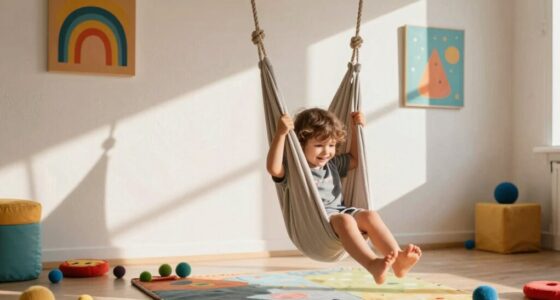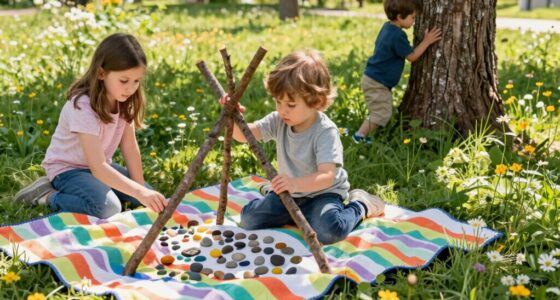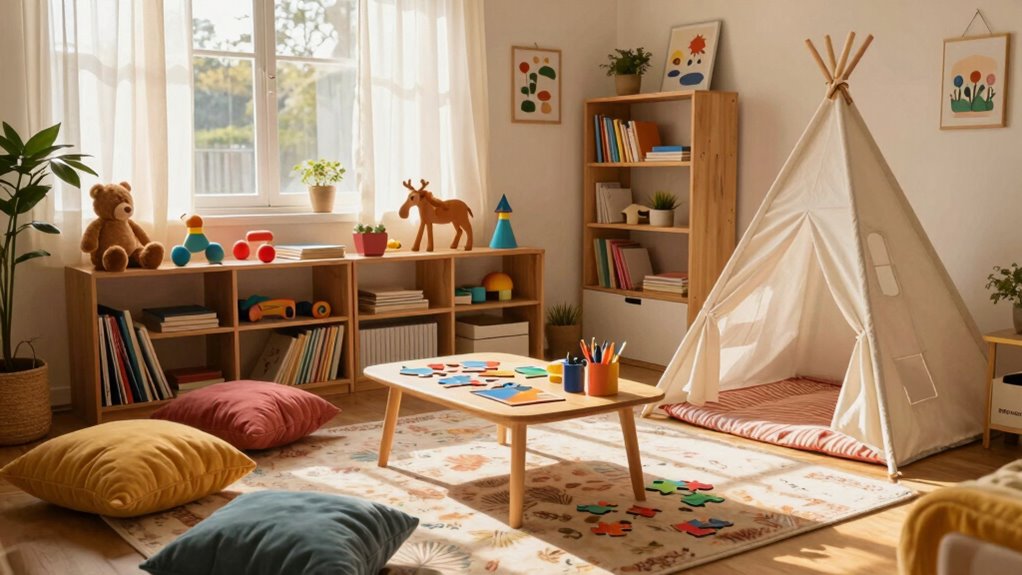

Your home environment greatly influences your child’s play quality by creating a safe, organized, and inviting space. When hazards are removed and areas are clearly designated, your child feels confident to explore and develop new skills. Incorporating natural and visual elements can stimulate senses and encourage curiosity. Thoughtful layout, with open areas for movement and cozy corners for quiet activities, enhances engagement. Keep exploring how small changes can make playtime more enriching for your little one.

Get health and wellness essentials delivered free — and shop member deals
- Fast, free delivery on millions of items
- Access to Prime Big Deal Days deals on October 6–7
- Prime Video, Amazon Music and more included
Key Takeaways
- Safe, hazard-free spaces encourage children to explore confidently and take age-appropriate risks during play.
- Organized designated zones promote diverse activities and support independence in choosing play options.
- Incorporating natural and visual elements stimulates senses and makes environments more engaging and inviting.
- Thoughtful layout with open areas and cozy corners balances active and quiet play, enhancing overall engagement.
- An intentional environment fosters creativity, confidence, and developmental growth through supportive and accessible setups.
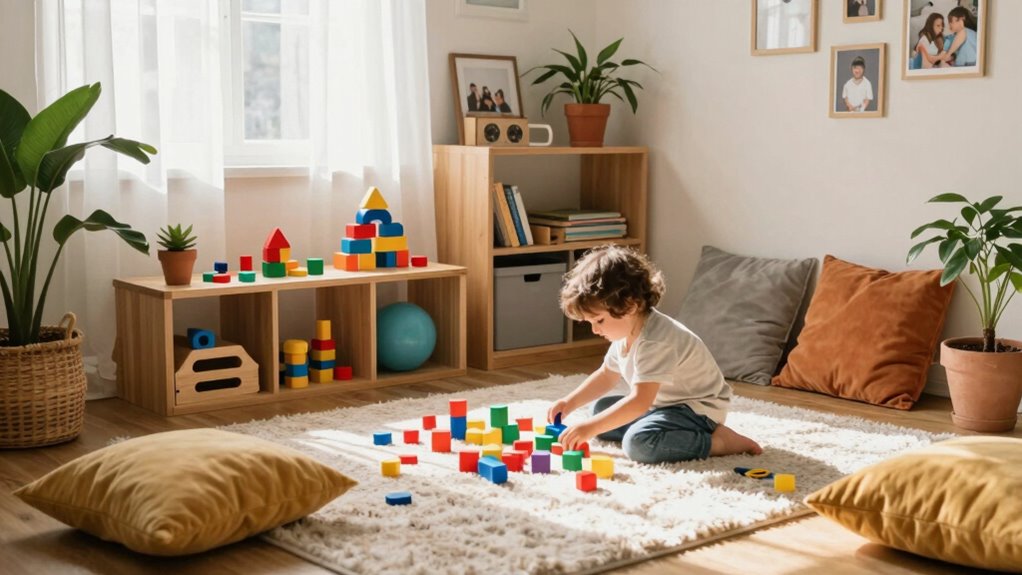
Have you ever wondered how your home environment influences the quality of play for children? The way you set up your space can profoundly impact their ability to explore, imagine, and learn. One of the most important aspects is ensuring indoor safety, which provides a secure foundation for children to play freely without constant worry. You want to eliminate hazards like sharp edges, loose cords, or unstable furniture that could cause accidents. Installing safety gates, outlet covers, and securing heavy furniture to the wall creates a safer environment where kids can focus on play rather than potential dangers. When children feel safe, they’re more likely to take risks, experiment, and develop their skills through active exploration.
Beyond safety, how you organize your play space can make a huge difference in the quality of play. Play space organization involves creating designated zones for different activities, such as reading, building, or creative arts. This not only helps prevent clutter but also encourages children to engage in varied types of play. When toys and materials are easily accessible and well-arranged, children are more inclined to initiate play independently. Use storage solutions like bins, shelves, or baskets to keep things tidy yet reachable. Labeling these containers can also help children learn organization skills and develop a sense of responsibility for their environment. Incorporating landscaping elements can further enhance the natural appeal and stimulate their senses, making the environment even more engaging. Additionally, understanding and applying visual contrast principles can help create environments that are both stimulating and comfortable for children’s eyes, supporting their visual development.
Organize toys with labeled bins and designated zones to inspire independence and reduce clutter.
A well-organized space fosters a sense of order that can inspire longer periods of focused play and reduce frustration. It’s helpful to rotate toys and materials periodically so that children remain interested and engaged with their environment. Additionally, think about the layout—leave enough open space for movement and active play, while also creating cozy corners for quiet activities. Incorporating elements like a soft rug or cushions can make the area more inviting and comfortable, encouraging children to stay engaged longer. Moreover, understanding the importance of contrast ratio helps in designing visual environments that are both stimulating and comfortable for children’s eyes. Using visual cues can also guide children in understanding how to navigate and interact within their play area, promoting independence and spatial awareness.
Your home environment has the power to shape how children experience play. Prioritizing indoor safety gives them the confidence to explore without fear, while thoughtful play space organization invites creativity and independence. When you strike a balance between safety and accessibility, you create a nurturing setting where children can thrive through playful discovery. Remember, the more intentional your setup, the more enriching and enjoyable their playtime becomes. Your efforts to foster a safe and organized environment will not only support their development but also make play a joyful and meaningful part of their daily life.
childproof safety gates for stairs
As an affiliate, we earn on qualifying purchases.
As an affiliate, we earn on qualifying purchases.
Frequently Asked Questions
How Can Parents Optimize Small Spaces for Better Play?
You can optimize small spaces for better play by using creative storage solutions like bins or wall-mounted shelves to keep toys organized and accessible. Incorporate bright, engaging color schemes to energize the area and stimulate creativity. Arrange furniture and play zones thoughtfully to maximize space, and add versatile pieces that serve multiple functions. These strategies create a playful environment that encourages exploration, while keeping the area tidy and inviting for your child.
What Role Does Lighting Play in Enhancing Play Environments?
Did you know natural illumination can boost a child’s mood and creativity by up to 25%? You play an essential role in enhancing play environments through thoughtful lighting. Incorporate natural light during the day to energize spaces, and use mood lighting in the evening to create a cozy, inviting atmosphere. Proper lighting helps children focus, stimulates imagination, and makes playtime more enjoyable and engaging.
How Do Noise Levels Affect Children’s Play Quality at Home?
High noise levels can cause sound distraction, making it harder for children to focus and enjoy their playtime. Excessive noise reduces their ability to concentrate and can lead to frustration or overstimulation. To improve play quality at home, you should implement noise reduction strategies, like adding soft furnishings or creating quiet zones. This helps create a calmer environment, allowing children to engage more fully and develop their creativity and social skills effectively.
What Safety Measures Are Essential for Diverse Play Areas?
Think of your play area as a safe harbor where your child explores freely. To keep it secure, guarantee constant playground supervision, watching over every adventure. Install safety flooring like cushioned clouds to soften falls and prevent injuries. Remove sharp objects and small items that pose choking hazards. Regularly inspect equipment for stability and wear. These safety measures create a sturdy fortress, empowering your child to play confidently and safely within your home environment.
How Can Technology Be Integrated Without Disrupting Play Quality?
You can integrate technology into play by setting clear digital boundaries, ensuring devices don’t dominate playtime. Limit screen time to prevent disruptions and preserve the quality of physical, imaginative activities. Use technology as a supplement, like educational games or interactive storybooks, rather than replacements for active play. This balance maintains a healthy environment where children enjoy both digital learning and meaningful, unstructured play, fostering creativity and social skills.
As an affiliate, we earn on qualifying purchases.
Conclusion
Just as a gardener tends to their soil, your home environment nurtures your child’s ability to explore and grow through play. By creating a safe, stimulating space, you cultivate curiosity and resilience—traits that echo the wisdom of ancient philosophers who knew that the foundation shapes the flourishing. Remember, your home isn’t just a backdrop; it’s the canvas where your child’s imagination paints their brightest future. Invest in it, and watch their potential bloom.
indoor play area rugs for children
As an affiliate, we earn on qualifying purchases.
As an affiliate, we earn on qualifying purchases.
As an affiliate, we earn on qualifying purchases.
Halloween Picks
halloween
As an affiliate, we earn on qualifying purchases.