
TL;DR

Get health and wellness essentials delivered free — and shop member deals
- Fast, free delivery on millions of items
- Access to Prime Big Deal Days deals on October 6–7
- Prime Video, Amazon Music and more included
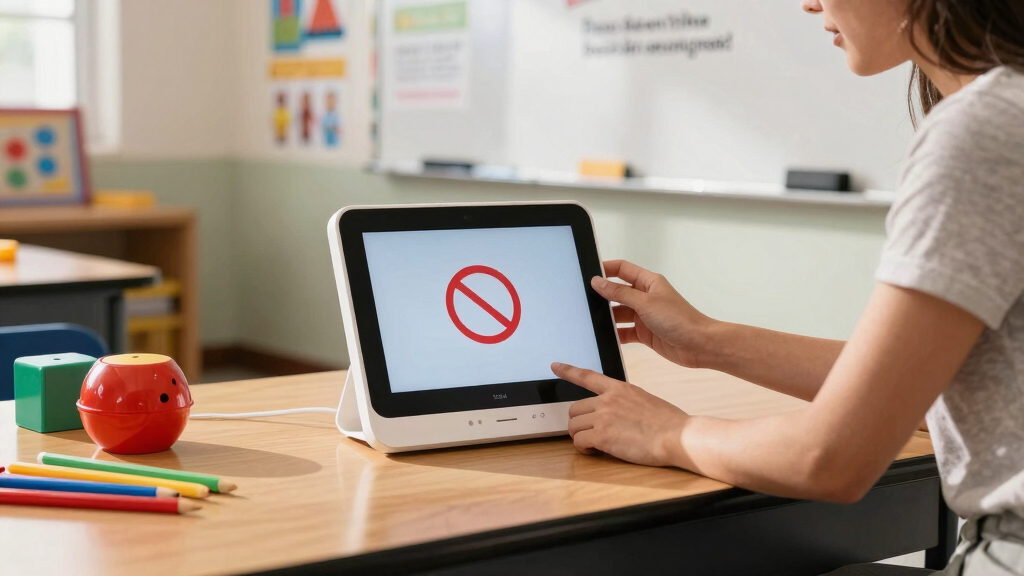
LAUSD has implemented a ban on screen time for students before second grade, making it one of the strictest policies nationwide. The move aims to limit early exposure to screens in favor of traditional learning methods.
Los Angeles Unified School District (LAUSD) has enacted a policy prohibiting screen time for students before they reach second grade, making it one of the strictest such measures in the United States. The policy aims to reduce early exposure to digital devices in young children, emphasizing traditional learning and play.
LAUSD’s new policy, effective immediately, bans teachers and staff from using screens such as tablets, computers, or TVs with students in pre-kindergarten through first grade. The district states the decision is based on research suggesting that early screen exposure can hinder developmental milestones and social skills. Officials emphasize that classroom activities will focus on hands-on learning, reading, and face-to-face interaction.
The district’s superintendent, Alberto Carvalho, announced the policy during a press conference on March 15, 2024. He cited studies from organizations like the American Academy of Pediatrics, which recommend delaying screen exposure for young children. The policy also restricts parental use of screens during school hours and discourages screen-based homework for these grades.
While LAUSD’s move is among the most comprehensive in the nation, other districts have implemented partial restrictions or guidelines rather than outright bans. The district plans to monitor the policy’s impact and will review it annually, with input from educators, parents, and child development experts.
Why LAUSD’s Screen Time Ban Is a Major Shift
This policy represents a significant shift in early childhood education, prioritizing traditional learning methods over digital devices. It could influence other districts nationwide to reconsider their screen policies, potentially affecting millions of students. Experts suggest this move might impact how young children develop social skills and cognitive abilities, raising questions about balancing technology use and developmental needs. For parents and educators, the policy underscores growing concerns about screen time’s effects on young children’s health and well-being, highlighting a broader debate over technology’s role in early education.
screen-free learning toys for preschoolers
As an affiliate, we earn on qualifying purchases.
As an affiliate, we earn on qualifying purchases.
Background on Screen Time Policies in Schools
Over the past decade, concerns about excessive screen time for children have increased, prompting some districts to adopt guidelines or restrictions. The American Academy of Pediatrics, in particular, has recommended limiting screen exposure for children under two and encouraging screen-free activities for preschoolers. Previous policies in various districts have focused on reducing screen use during classroom instruction, but few have implemented outright bans for specific age groups. LAUSD’s decision follows a growing trend among some educational authorities to prioritize physical activity, social interaction, and hands-on learning in early childhood education. The district’s move also aligns with broader societal debates about technology’s impact on childhood development.
“Our goal is to foster development through play, reading, and face-to-face interaction, rather than screens, especially for our youngest students.”
— LAUSD Superintendent Alberto Carvalho
hands-on educational activities for young children
As an affiliate, we earn on qualifying purchases.
As an affiliate, we earn on qualifying purchases.
Unanswered Questions About Policy Implementation
It is not yet clear how LAUSD will enforce the ban across all classrooms or how it will support teachers and parents in adapting to the new rules. Details on how the policy will impact remote or hybrid learning models, or whether exemptions will be granted in special circumstances, remain undecided. Additionally, the long-term effects of this policy are still unknown, as it has only recently been enacted.
face-to-face interaction toys for toddlers
As an affiliate, we earn on qualifying purchases.
As an affiliate, we earn on qualifying purchases.
Next Steps and Ongoing Monitoring of the Policy
LAUSD plans to evaluate the policy’s impact after one year, gathering feedback from educators, parents, and child development specialists. The district will also monitor student engagement and social development metrics. Other districts may observe LAUSD’s results before considering similar restrictions. Public forums and stakeholder meetings are expected to be scheduled to discuss adjustments or expansions of the policy as needed.
traditional learning games for pre-kindergarten
As an affiliate, we earn on qualifying purchases.
As an affiliate, we earn on qualifying purchases.
Key Questions
Why did LAUSD ban screen time for children before second grade?
The district cited research suggesting early screen exposure can hinder developmental milestones and social skills, aiming to promote traditional, hands-on learning and face-to-face interaction.
Does this ban apply to all types of screens and devices?
Yes, the policy bans all screens such as tablets, computers, and TVs used during school hours for children in pre-kindergarten through first grade.
Will parents be allowed to use screens with their children during school hours?
The district states that parental use of screens during school hours is discouraged and that the focus is on classroom activities that do not involve screens.
Could this policy affect remote or hybrid learning models?
It is not yet clear how the policy will be implemented in remote or hybrid settings, or whether exceptions will be made for special educational needs.
What are the potential benefits of this ban?
Experts suggest that limiting early screen time can support better social, emotional, and cognitive development, though the long-term effects are still being studied.
Source: google-trends
Cold & flu season Picks
humidifiers
As an affiliate, we earn on qualifying purchases.