To detect chronic kidney disease early, get regular blood and urine tests that check kidney function and protein levels. Managing CKD involves controlling blood pressure, reducing sodium, potassium, and phosphorus intake, and adjusting protein consumption under medical guidance. Dialysis may become necessary if your kidneys weaken markedly, with options like hemodialysis or peritoneal dialysis. Staying informed about your condition and maintaining a healthy lifestyle can slow progression, and exploring these strategies further can help you better manage your health.
Key Takeaways
- Early detection of CKD involves blood tests (creatinine, eGFR) and urine analysis to identify kidney damage.
- Managing CKD includes dietary modifications like reducing sodium, potassium, and phosphorus intake.
- Regular monitoring and medical consultation are essential for adjusting treatment plans and preventing progression.
- Dialysis options, such as hemodialysis or peritoneal dialysis, are used when kidney function declines significantly.
- Lifestyle changes, medication adherence, and health monitoring are crucial to slow CKD progression and maintain quality of life.
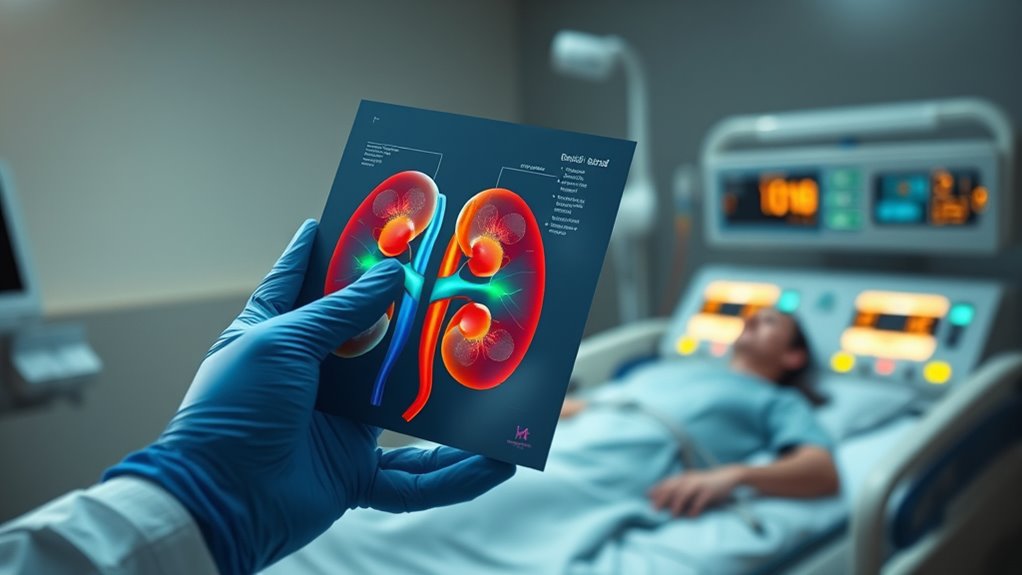
Have you ever wondered what happens when your kidneys gradually lose their ability to filter waste from your blood? It’s a slow process that often goes unnoticed until symptoms become severe. When your kidneys aren’t functioning properly, toxins and excess fluids build up in your body, leading to fatigue, swelling, and other health problems. Managing this condition requires a proactive approach, starting with early detection and continuing through lifestyle adjustments and medical treatments.
Kidney function decline silently causes toxin buildup, leading to fatigue and swelling—early detection is crucial for effective management.
One of the key aspects of managing chronic kidney disease (CKD) is making appropriate dietary modifications. You’ll need to pay close attention to your intake of sodium, potassium, phosphorus, and protein. Reducing salt helps control blood pressure and minimizes fluid retention, easing the workload on your kidneys. Limiting foods high in potassium, like bananas and oranges, can prevent dangerous heart rhythms, while cutting back on phosphorus-rich foods such as nuts, beans, and dairy helps protect your bones. You might also need to adjust your protein intake—sometimes decreasing it to lessen kidney strain, but always under medical guidance to ensure you’re getting enough nutrients. These dietary changes aren’t just about what you avoid; they’re about creating a balanced plan that supports your overall health and slows disease progression.
As CKD advances, you may face different treatment options, including dialysis. Dialysis options are lifesaving procedures that perform the filtering work your kidneys can no longer do. Hemodialysis involves connecting your blood to a machine that filters out waste, excess fluids, and toxins. It usually takes place at a dialysis center three times a week, although some patients opt for home dialysis, which offers more flexibility. Peritoneal dialysis, on the other hand, uses your abdominal lining as a natural filter. You introduce a special fluid into your abdomen, which absorbs waste products and excess fluids before being drained away. Both options require a commitment to routine and careful management, but they’re essential when kidney function declines to a critical level.
Deciding on the right dialysis option depends on your overall health, lifestyle, and personal preferences. Your healthcare provider will guide you through the decision, considering factors such as your age, other health conditions, and your ability to manage treatment at home. In all cases, adhering to your prescribed diet, medications, and dialysis schedule is crucial to maintaining your health and preventing complications. Managing CKD is a continuous process that involves staying informed, making adjustments, and working closely with your medical team to keep your condition under control. Additionally, incorporating air purification can help improve indoor air quality, which is beneficial for respiratory health and overall well-being. Taking these steps can help you maintain a better quality of life despite the challenges posed by chronic kidney disease.

14-in-1 Full Panel Urine Test Strips for Urinalysis | 120 Strips in Resealable Pouches – Test for Kidney Health, Liver Function, UTI, Ketosis, Hydration, and Protein Levels
Full Panel Testing – Comprehensive 14-parameter analysis detects a wide range of health indicators including zinc, ketones, pH,…
As an affiliate, we earn on qualifying purchases.
As an affiliate, we earn on qualifying purchases.
Frequently Asked Questions
Can CKD Be Reversed if Caught Early?
Yes, if you catch CKD early, it can be reversible during the initial stages. Early detection allows you to make lifestyle changes, manage underlying conditions, and follow your healthcare provider’s advice to slow or halt progression. In these reversible stages, treatment can restore kidney function or prevent further damage. Acting promptly is vital; the sooner you address it, the better your chances of reversing or controlling the disease.
What Lifestyle Changes Can Prevent CKD Progression?
You can slow CKD progression by making key lifestyle changes. Start with diet modifications—reduce salt, limit processed foods, and control protein intake. Incorporate regular exercise routines to improve overall health and blood pressure. These steps aren’t just suggestions; they’re essential for prevention. The suspense lies in how much your choices matter—taking action now can make a real difference in preserving kidney function and avoiding further damage.
Are There Any Natural Remedies for Managing CKD?
While there’s no cure for CKD, some natural remedies may help manage it. You might consider herbal supplements like ginger or garlic, which can support kidney health, but always consult your doctor first. Dietary modifications, such as reducing sodium and protein intake, can also ease kidney workload. Remember, combining these approaches with medical advice offers the best chance to slow CKD progression and maintain your overall health.
How Does CKD Affect Mental Health?
Like a shadow quietly creeping in, CKD can subtly impact your mental health. You might notice increased anxiety, depression, or mood swings, making daily life more challenging. It also affects cognitive function, leading to forgetfulness or difficulty concentrating. These mental health impacts are common because your kidneys’ decline influences brain chemistry and overall well-being. Recognizing this connection helps you seek support and manage both your physical and mental health effectively.
Is CKD Hereditary or Influenced by Genetics?
Yes, CKD can be influenced by genetics. Your genetic predisposition and hereditary factors play a role in increasing your risk of developing the disease. If you have a family history of kidney problems, you might be more susceptible. While genetics are significant, lifestyle factors like diet, blood pressure, and diabetes management also impact your likelihood of developing CKD. Regular check-ups can help catch the disease early if you’re at risk.

Fodlist. Low Sodium Food List. Grocery & Chart for a Low Salt Diet Plan. Lower High Blood Pressure Naturally. CKD Diet and Nutrition. CHF Friendly. Pamphlet. Laminated. 8"x11".
Reduces Health Risks: The pamphlet helps manage sodium intake effectively, significantly reducing the risk of high blood pressure,…
As an affiliate, we earn on qualifying purchases.
As an affiliate, we earn on qualifying purchases.
Conclusion
You now understand how vital early detection and proper management are for chronic kidney disease. Did you know that nearly 37 million Americans have CKD, yet most don’t realize it? By staying informed, getting regular check-ups, and managing risk factors, you can take charge of your kidney health. Remember, catching the disease early makes a big difference—so don’t wait until symptoms appear. Stay proactive and protect your kidneys for a healthier future.

Phosphorus & Potassium Fertilizer – Liquid Bloom Booster for Strong Roots, Better Blooms & Improved Fruit Development, 8 oz
Made for PK Nutrient Support – Formulated with phosphorus and potassium for essential plant nutrition.
As an affiliate, we earn on qualifying purchases.
As an affiliate, we earn on qualifying purchases.

Split Drain Adhesive Bandages 4" x 4" Pre-Cut for Feeding Tubes, Dialysis Catheters & Drains – Soft Non-Stick Pad – Individually Wrapped 20 Pack Wound Dressing Pads
Quick & Pain-Free Application: Our pre-cut design fits snugly around tubes and drains without scissors, perfect for dialysis…
As an affiliate, we earn on qualifying purchases.
As an affiliate, we earn on qualifying purchases.