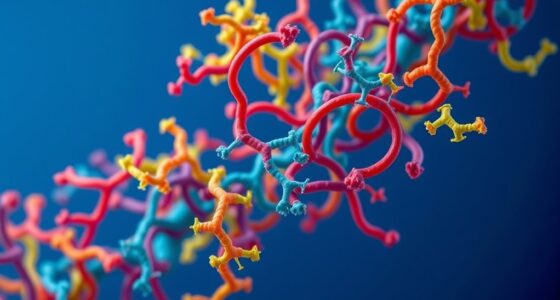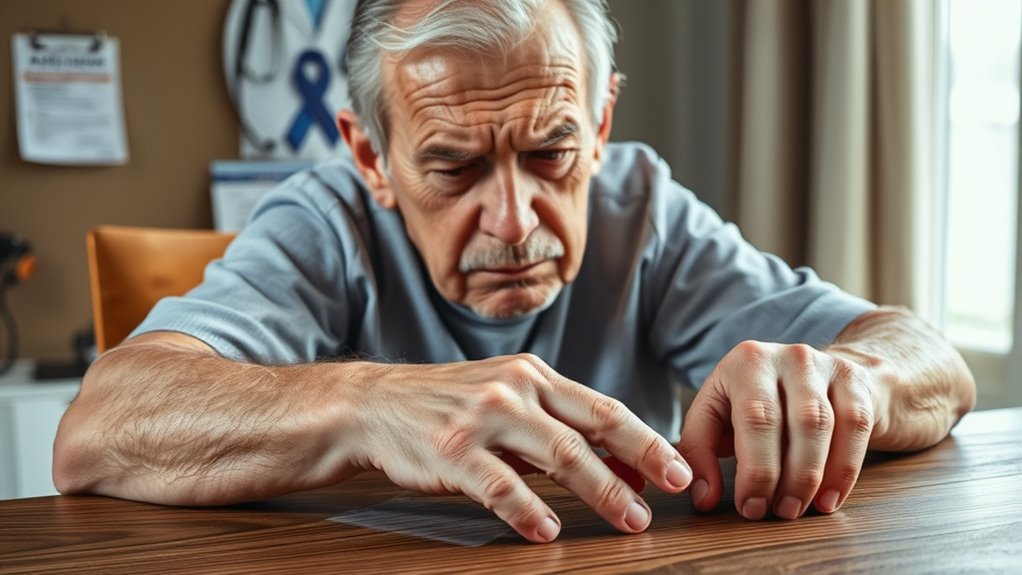

Parkinson’s disease is a progressive disorder caused by the loss of dopamine-producing neurons in your brain, which leads to common motor symptoms like tremors at rest, stiffness, slowed movements, and balance issues. As the disease advances, these symptoms worsen, making daily tasks more difficult and reducing your independence. While medications like levodopa can temporarily boost dopamine, they don’t stop disease progression. Understanding these signs and how they develop can arm you against the challenges ahead.
Key Takeaways
- Parkinson’s disease results from the loss of dopamine-producing neurons, leading to disrupted motor control.
- Early symptoms include resting tremors, bradykinesia, rigidity, and balance issues that develop gradually.
- As the disease progresses, motor symptoms worsen, affecting daily tasks and decreasing independence.
- Dopamine deficiency causes miscommunication between brain and muscles, resulting in tremors, stiffness, and slowness.
- Treatments like levodopa temporarily boost dopamine but do not stop neuronal degeneration, requiring ongoing management.
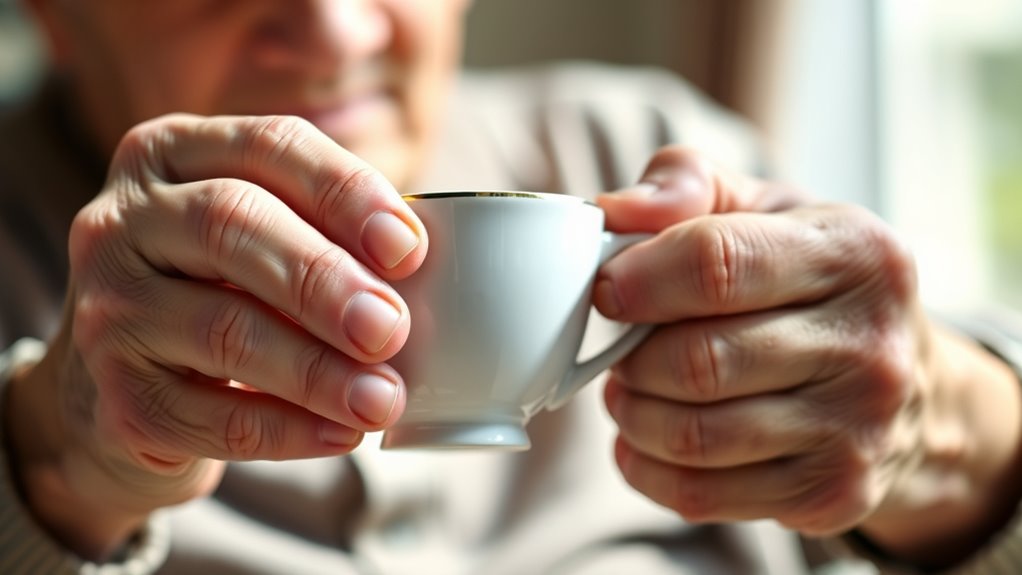
Have you ever wondered what causes the tremors and stiffness associated with Parkinson’s disease? The answer lies in a complex process involving dopamine deficiency. Dopamine is an essential chemical messenger in your brain, playing a critical role in coordinating smooth, controlled movements. When Parkinson’s develops, the neurons that produce dopamine in the substantia nigra, a part of your brain, start to die off. This loss results in a considerable decrease in dopamine levels, disrupting the balance of signals that control your motor functions. As a consequence, you begin to experience the hallmark motor symptoms of Parkinson’s, such as tremors, rigidity, bradykinesia (slowness of movement), and postural instability. These symptoms don’t appear overnight but gradually worsen as more dopamine-producing neurons are lost.
The motor symptoms are often the first noticeable signs of Parkinson’s. You might notice your hand trembling at rest, or that your movements feel slower and more deliberate. Your muscles may feel stiff or rigid, making simple tasks like buttoning a shirt or walking more challenging. These symptoms stem directly from the dopamine deficiency, which hampers your brain’s ability to send the proper signals to your muscles. Because dopamine acts as a kind of messenger, its scarcity causes a miscommunication between your brain and your body, resulting in the characteristic motor symptoms. You might also find your balance affected, leading to a shuffling gait or difficulty maintaining posture.
Early signs include hand tremors, slow movements, stiffness, and balance issues caused by dopamine deficiency.
Additionally, the loss of dopamine-producing neurons can influence other brain functions, contributing to non-motor symptoms such as cognitive changes and mood disturbances. As Parkinson’s progresses, these motor symptoms tend to become more pronounced, affecting your daily life considerably. The tremors might become more persistent, and rigidity can lock your joints, making movement painful. The slowness in movement can cause you to feel sluggish and fatigued, often complicating simple routines. The progression of motor symptoms varies from person to person, but overall, as dopamine levels continue to decline, your ability to perform everyday activities decreases. It’s important to recognize these early signs because they can be indicative of underlying neurodegeneration. While medications like levodopa can temporarily replenish dopamine levels and improve motor symptoms, they don’t halt the disease’s progression.
Understanding the link between dopamine deficiency and motor symptoms helps you grasp why Parkinson’s affects movement so profoundly. It’s a disease that slowly steals your ability to move freely, highlighting the importance of early diagnosis and ongoing management. Despite the challenges, advances in treatment continue to improve quality of life, but the core issue remains the loss of dopamine-producing neurons that drive your motor functions.

Hoomtree Weighted Gloves for Hand Tremors and Parkinson's, Improved Hand/Wrist Stability & Mobility, Adjustable Wrist, Weights Strengthening Tool (Purple, L)
Regain Control & Confidence: Feel a greater sense of command over your daily life. Our weighted gloves are…
As an affiliate, we earn on qualifying purchases.
As an affiliate, we earn on qualifying purchases.
Frequently Asked Questions
Can Parkinson’s Disease Be Prevented?
You can’t fully prevent Parkinson’s disease, but you can lower your risk by managing environmental influences like exposure to toxins and staying physically active. While genetic factors play a role, maintaining a healthy lifestyle may help delay onset or reduce severity. Regular exercise, a balanced diet, and avoiding environmental hazards can contribute to better brain health, though they don’t guarantee prevention. Stay proactive in taking care of your overall well-being.
What Are Early Signs of Parkinson’s?
Think of your body whispering before it shouts. Early signs of Parkinson’s include subtle tremors in your fingers or hand, often called resting tremors, that seem to dance when you’re at rest. You might also notice facial masking, where your face appears less expressive, like a mask hiding your emotions. These quiet signals are your body’s way of hinting that something’s changing, so pay close attention to these gentle clues.
How Does Parkinson’s Affect Life Expectancy?
Parkinson’s can slightly reduce your life expectancy, but effective disease management helps maintain your quality of life. With proper treatments, medications, and lifestyle adjustments, you can slow progression and stay active longer. While the disease may bring challenges, staying engaged with healthcare and support systems boosts your overall well-being, ensuring you enjoy a fulfilling life despite the condition.
Are There Specific Triggers for Disease Progression?
You may wonder if specific triggers accelerate Parkinson’s progression. While genetic factors can influence your risk, environmental triggers like toxins or pesticides might also play a role. These factors can interact, potentially worsening symptoms over time. However, individual experiences vary, and not everyone with genetic or environmental risks will see rapid progression. Staying aware of these triggers and maintaining a healthy lifestyle can help manage the disease effectively.
Can Lifestyle Changes Slow Parkinson’s Progression?
Think of your lifestyle as a garden—you can nurture it to slow Parkinson’s progression. Regular exercise benefits your brain and muscles, helping maintain mobility and balance. Dietary adjustments, like eating antioxidant-rich foods, can support overall health. While they won’t stop the disease, these changes empower you to take control, possibly reducing symptoms’ severity and enhancing quality of life. Stay active and eat well to help your body fight back.

Mucuna Pruriens Extract Capsules – Dopamine Boosting Supplement – 210 Count, 1,000mg Per Serving, 20% (from Velvet Bean) (for Mood and Motivation Support) Third Party Tested by Double Wood
DOPAMINE BOOSTER: Double Wood's Mucuna is one of the primary building blocks of Dopamine
As an affiliate, we earn on qualifying purchases.
As an affiliate, we earn on qualifying purchases.
Conclusion
While Parkinson’s disease presents persistent problems, knowledge and early action can make a difference. By understanding the symptoms and stages, you can better brace for the journey ahead. Stay strong, seek support, and stay informed to face the future with focus and fortitude. Remember, facing fears with faith and facing challenges with courage can help you carve a clearer, calmer course through the complexities of Parkinson’s disease.

U-Step 2 Nuero Standard Walker Without Cueing Module (Small (4’3”-5’2” Tall))
WALK CONFIDENTLY WITH THE U-STEP II WALKER: Our unique rollator walker provides superior stability while walking so you…
As an affiliate, we earn on qualifying purchases.
As an affiliate, we earn on qualifying purchases.
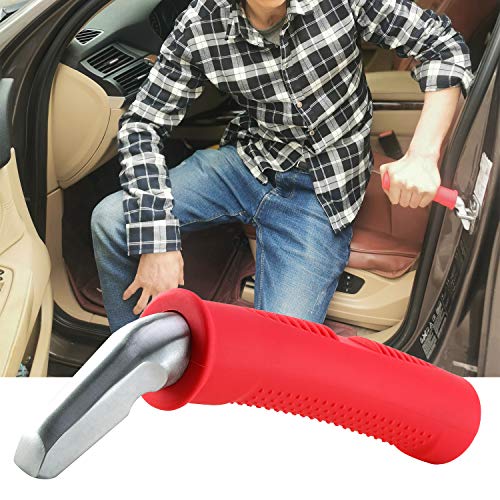
Valorcielo Auto Cane Portable Vehicle Support Handle, Car Door Assist Bar, Supports up to 300 Pounds, Car Door Handle for Elderly (Red)
For Elderly & Mobility Aid Users: Designed as a reliable car door handle for elderly, post-surgery patients, pregnant…
As an affiliate, we earn on qualifying purchases.
As an affiliate, we earn on qualifying purchases.