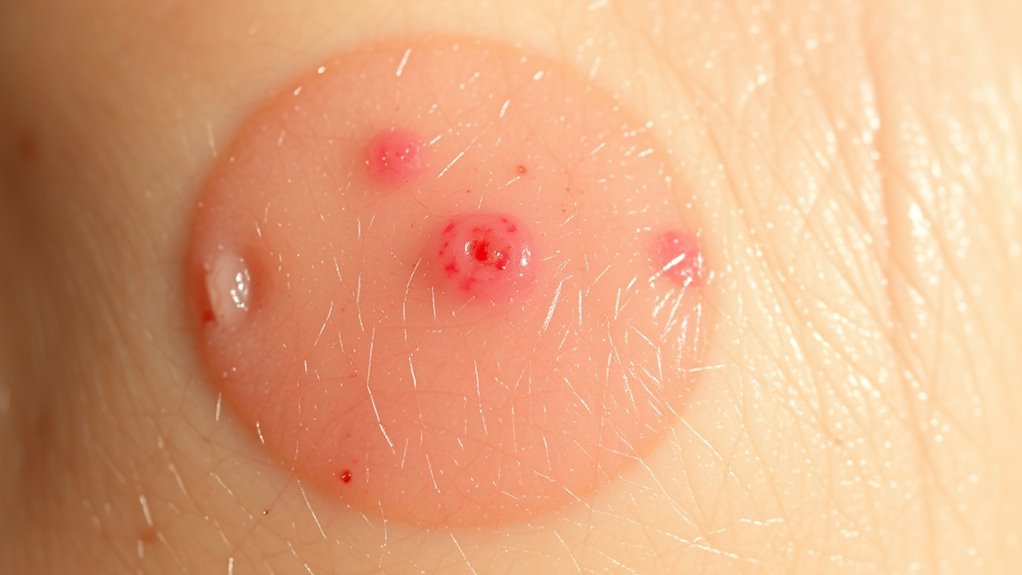

Systemic lupus erythematosus (SLE) is an autoimmune condition where your immune system mistakenly attacks your tissues, causing inflammation and damage. It’s influenced by genetic factors and environmental triggers like sun exposure, infections, stress, or certain medications. These factors lead to autoantibody production, immune complex formation, and tissue inflammation. Since symptoms vary widely, understanding how genetics and triggers interact can help you manage flare-ups and protect your health more effectively. If you want to learn more, explore further insights now.
Open a free Amazon Business account
Business pricing, bulk buying and tax-exempt orders.
As an affiliate, we earn on qualifying purchases.
Key Takeaways
- Systemic lupus erythematosus (SLE) is an autoimmune disease where the immune system attacks healthy tissues and organs.
- Genetic predisposition and environmental triggers like sunlight and infections activate autoimmune responses in SLE.
- Autoantibodies form immune complexes that deposit in tissues, causing inflammation and damage in various organs.
- Symptoms include skin rashes, joint pain, fatigue, and organ inflammation; disease presentation varies among individuals.
- Management involves avoiding triggers, symptom control, and personalized treatment plans to prevent flare-ups and long-term damage.

Have you ever wondered what causes your immune system to turn against your own body? In the case of systemic lupus erythematosus (SLE), it’s a complex interplay of factors that push your immune defenses to attack your healthy tissues. One of the key elements is genetic predisposition. If lupus runs in your family, you may carry certain genes that make you more susceptible. These genes influence how your immune system functions, potentially making it more prone to misidentification and overreaction. However, genetics alone don’t determine whether you develop lupus; environmental triggers also play a critical role.
Genetics influence lupus risk, but environmental triggers often determine disease onset and severity.
Environmental triggers are external factors that can activate or worsen lupus symptoms in people who are genetically predisposed. These triggers can include exposure to sunlight, which may cause skin rashes and flare-ups, or infections, which can stimulate your immune system in unpredictable ways. Certain medications or chemicals might also act as triggers, prompting your immune system to go haywire. Stress, both physical and emotional, is another significant environmental factor that can exacerbate symptoms and trigger flare-ups. When these triggers occur, they can cause your immune system to produce autoantibodies—proteins that mistakenly target your own tissues, such as your skin, joints, kidneys, or heart.
The process begins subtly. You might carry the genetic predisposition without any symptoms for years, only to encounter environmental triggers that set off an immune response. Once triggered, your immune system begins producing autoantibodies that form immune complexes. These complexes deposit in tissues, leading to inflammation and damage. This damage manifests as the wide range of symptoms characteristic of lupus, including joint pain, fatigue, skin rashes, and organ inflammation. Because these factors vary from person to person, lupus can present differently in each individual, making it challenging to diagnose and treat.
Understanding the role of genetic predisposition and environmental triggers helps clarify why lupus develops in some people but not others. It also emphasizes the importance of managing environmental exposures and reducing triggers whenever possible. While you can’t change your genetic makeup, you can take steps to minimize exposure to sunlight, avoid certain medications if you’re at risk, and manage stress levels. Recognizing these factors empowers you to work with your healthcare provider to develop a personalized plan that aims to control flare-ups and prevent long-term damage. In essence, lupus results from a delicate balance gone awry, with genetics setting the stage and environmental factors tipping the scales toward autoimmunity. Additionally, being aware of skin sensitivity can help you better manage environmental triggers that may influence disease activity.
autoimmune disease symptom relief
As an affiliate, we earn on qualifying purchases.
As an affiliate, we earn on qualifying purchases.
Frequently Asked Questions
Can SLE Be Cured Completely?
You can’t cure SLE completely yet, but you can manage it effectively. By identifying and avoiding autoimmune triggers, you reduce flare-ups and symptoms. Disease management involves medications, lifestyle changes, and regular doctor visits to keep the condition under control. While a cure isn’t available now, proper management helps you live a full life, minimizing the disease’s impact and preventing serious complications.
How Does SLE Affect Pregnancy Outcomes?
You should know that SLE can increase pregnancy risks, affecting both you and your baby. It may lead to complications like preeclampsia, preterm birth, or fetal growth restrictions. Active disease during pregnancy can hinder fetal development, so managing your condition carefully with your healthcare provider is vital. Regular monitoring helps reduce risks, ensuring healthier pregnancy outcomes and better chances for a safe delivery for both of you.
Are There Specific Genetic Markers for SLE?
Imagine it’s 1999, and scientists discover genetic clues for SLE. You should know that specific genetic markers, like HLA-DR2 and HLA-DR3, indicate a genetic predisposition. These markers help with biomarker identification, making it easier to predict who might develop SLE. While no single gene causes the disease, these markers guide research and personalized treatment, giving you a clearer understanding of your genetic risk factors.
What Are the Early Signs of SLE?
You might notice early signs of SLE like skin rashes, especially on your face, and joint pain that feels persistent or worsening. Fatigue, fever, and sensitivity to sunlight are also common initial symptoms. Keep an eye out for these signs, and if you experience them, see a healthcare provider promptly. Early diagnosis helps manage symptoms effectively and prevents complications.
How Does SLE Impact Mental Health?
Your mental health can take a wild rollercoaster ride with SLE, feeling like you’re caught in a storm of anxiety, depression, and confusion. It’s overwhelming, making everyday tasks seem Herculean. But don’t worry—adopting coping strategies like therapy, support groups, and stress management can help you regain control. These tools are your anchors, helping you navigate the emotional turbulence and find stability amid the chaos.
As an affiliate, we earn on qualifying purchases.
Conclusion
So, as you navigate life with systemic lupus erythematosus, remember that knowledge is your armor, like a trusty shield in a medieval quest. With early diagnosis, proper treatment, and a proactive attitude, you can manage your condition and keep your life on course. Don’t forget, even in this modern age, sometimes a little old-school resilience and a positive outlook are your best allies. Keep fighting the good fight, and stay hopeful—your story isn’t over yet.
sun protection for lupus patients
As an affiliate, we earn on qualifying purchases.
As an affiliate, we earn on qualifying purchases.
As an affiliate, we earn on qualifying purchases.
NFL season / tailgating Picks
team gear
As an affiliate, we earn on qualifying purchases.