

Noise pollution from traffic, industry, and neighbors triggers stress responses that can raise your blood pressure, increase your heart rate, and disturb hormonal balances crucial for restful sleep. Persistent exposure can damage your blood vessels and increase your risk of heart disease. It also disrupts your sleep patterns, fragments your sleep, and affects hormones like melatonin. Keep exploring to discover effective ways to reduce noise impacts and protect your cardiovascular and sleep health.
Key Takeaways
- Noise pollution activates stress responses that increase heart rate, blood pressure, and hormone levels, raising cardiovascular risk.
- Disruptive sounds impair sleep quality by causing micro-arousals and sleep fragmentation, affecting overall health.
- Chronic exposure to noise elevates long-term hypertension risk and damages blood vessels, contributing to heart disease.
- Sleep disturbances from noise interfere with hormonal regulation, including melatonin, impacting circadian rhythms and cardiovascular health.
- Strategies like soundproofing and noise masking can reduce noise-related stress, sleep disruption, and associated cardiovascular risks.

118” Wedge-Shape Foam Window Weather Stripping Door Seal Strip,Soundproofing Frame Winter Insulation Tape for Exterior Front Door,Noise Cancelling Window Inserts,Door Gap Filler Light Blocker,White
Upgraded Wedge Design: The window draft stopper adopts upgraded wedge design, the thickness of the thinnest 0.16“, the…
As an affiliate, we earn on qualifying purchases.
As an affiliate, we earn on qualifying purchases.
Understanding Noise Pollution and Its Sources

Noise pollution occurs when unwanted or harmful sounds interfere with daily life, affecting health and well-being. Common sources include traffic, industrial activities, and loud neighbors. These noises can be persistent and disruptive, making it hard to concentrate or relax. To combat this, noise barriers are often installed along highways and construction sites, reducing sound transmission to nearby areas. Sound masking is another effective technique, where background noise is used to cover up intrusive sounds, creating a more peaceful environment. Understanding these sources and solutions helps you recognize how noise impacts your surroundings. By implementing noise barriers and sound masking, communities can better manage noise pollution, improving overall quality of life and minimizing its harmful effects. Additionally, high-pressure sound waves generated by certain sources can travel long distances, making noise pollution a widespread concern. Recognizing the sources of noise pollution is crucial for developing effective mitigation strategies. Effective noise mitigation not only improves comfort but also reduces adverse health effects associated with chronic noise exposure.

Wall Plug in White Noise Sound Machine for Office Privacy & Noise Canceling, White Noise Machine for Sleeping Adults & Baby, Therapy Noise Blocker with 20 Soothing Sounds & Nightlight by Calm Me.
✨ SUPERIOR SOUND QUALITY – The plug-in white noise sound machine delivers crystal-clear sound, blocking distractions to create…
As an affiliate, we earn on qualifying purchases.
As an affiliate, we earn on qualifying purchases.
How Noise Impacts the Cardiovascular System
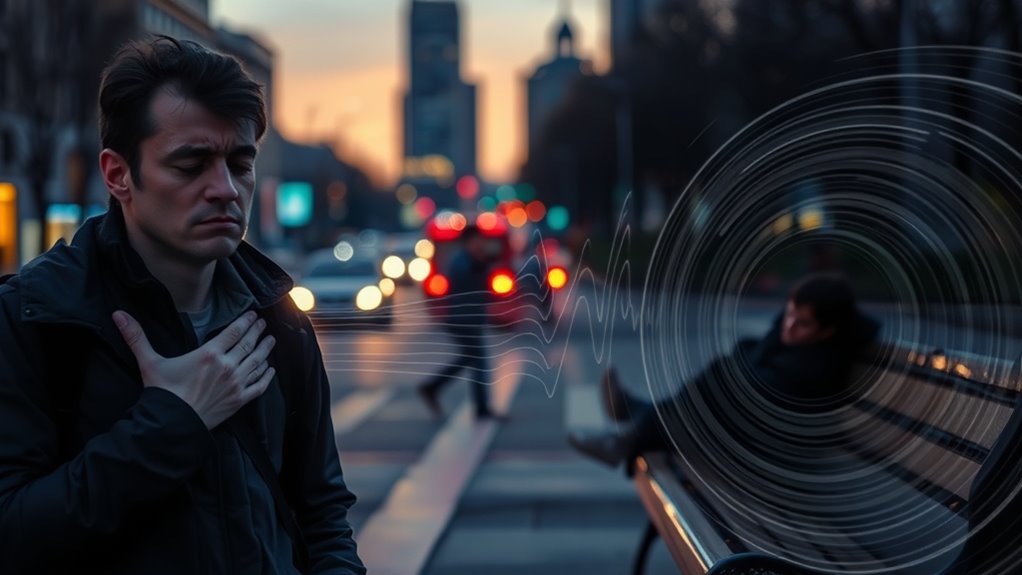
Exposure to loud or persistent sounds can trigger stress responses in your body, which in turn affect your cardiovascular health. Urban noise, from traffic, construction, and busy streets, constantly challenges your system. This ongoing exposure can lead to increased heart rate and elevated stress hormones, putting strain on your heart and blood vessels. Over time, these effects can contribute to the development of cardiovascular issues. Noise mitigation strategies, like sound barriers or better urban planning, help reduce noise exposure and lower the risk. By managing noise levels, you can lessen the stress on your cardiovascular system and promote better heart health. Recognizing how urban noise impacts your body emphasizes the importance of creating quieter environments for overall well-being. Additionally, incorporating protective styling techniques such as crochet styles for locs can help minimize hair and scalp stress caused by environmental noise and pollution, providing a protective barrier that supports overall health. Furthermore, understanding the health effects of noise pollution underscores the need for policies aimed at reducing urban noise levels to protect public health.

Loop Quiet 2 Ear Plugs – Ultra-Comfy Reusable Noise-Reducing Earplugs for Sleep, Deep Focus, Travel, Sensitivity | Flexible Hearing Protection | Customizable Fit | 24dB (SNR) Noise Reduction
POWERFUL NOISE REDUCTION – Packing up to 24 dB (SNR) of noise reduction into a flexible silicone earplug,…
As an affiliate, we earn on qualifying purchases.
As an affiliate, we earn on qualifying purchases.
The Link Between Noise and Blood Pressure Elevation

Loud noises trigger a stress response that can cause your blood pressure to rise temporarily. Over time, this can increase your risk of developing chronic hypertension. Understanding how different sound levels affect your health helps you take steps to protect yourself. Additionally, incorporating sound mitigation strategies and unique and wicked planters into indoor spaces can create a calming environment that may help mitigate stress responses.
Noise-Induced Stress Response
When you encounter persistent or sudden sounds, your body’s stress response can activate, leading to physiological changes that impact your health. Noise-induced stress triggers your nervous system, causing your heart rate and blood pressure to rise. This response is linked to auditory fatigue, where your ears become overwhelmed by constant noise. To understand this better:
- Your body releases stress hormones like cortisol, increasing blood pressure.
- The fight-or-flight response heightens alertness, raising your heart rate.
- Chronic noise exposure keeps your stress levels elevated, impacting cardiovascular health.
This ongoing stress response can cause blood vessels to constrict, contributing to sustained blood pressure increases. Recognizing noise-induced stress helps you understand how noise pollution influences your cardiovascular system.
Chronic Hypertension Risks
Persistent noise can keep your body’s stress response activated over time, leading to sustained increases in blood pressure. When you’re exposed to constant noise, your body perceives it as a threat, triggering stress hormones that raise your blood pressure. To combat this, sound masking and noise canceling techniques can help reduce your exposure. Sound masking introduces soothing sounds to drown out background noise, while noise canceling devices block out disruptive sounds altogether. By limiting your noise exposure, you lower the risk of developing chronic hypertension caused by prolonged stress responses. Over time, reducing noise levels can help maintain healthier blood pressure levels and decrease your risk of cardiovascular problems associated with hypertension. Managing noise exposure is essential for long-term cardiovascular health. Incorporating noise reduction technology into your environment can be an effective way to minimize these health risks. Additionally, choosing noise-canceling devices can be a practical solution for maintaining a peaceful environment both at home and at work.
Sound Levels and Impact
Elevated sound levels directly impact your blood pressure by triggering your body’s stress response. When noise becomes overwhelming, your body reacts by releasing stress hormones, raising blood pressure. To combat this, consider these strategies:
- Improve sound insulation in your home to block out external noise.
- Use noise masking devices or white noise machines to create a consistent background sound.
- Opt for quieter appliances and environments whenever possible.
These methods help reduce noise exposure and lessen the stress response. The goal is to create a calmer environment that minimizes blood pressure spikes. By managing sound levels effectively, you support your cardiovascular health and improve sleep quality. Remember, controlling noise pollution isn’t just about comfort—it’s about safeguarding your well-being.

Soundproof Room Divider with Wheels, 66in Office Dividers for Sound Proofing & Reducing, 3 Panel Sound Proof Dividers for Office Partitions Portable Temporary Wall Acoustic Wall Divider,Light Grey
BLOCKING OUT DISTRACTIONS: YASRKML Office Partitions is made of ECO-friendly, flame-retardant PET material with Fabric wrapping, which can…
As an affiliate, we earn on qualifying purchases.
As an affiliate, we earn on qualifying purchases.
Noise-Induced Heart Rate Variability and Risks

Noise pollution can directly impact your heart rate variability (HRV), a key indicator of your autonomic nervous system‘s balance. When exposed to noise, your body responds with stress, leading to fluctuations in noise-induced heart variability. Reduced HRV signals increased sympathetic activity and decreased parasympathetic tone, which elevates your risk for cardiovascular issues. Consistent noise exposure can heighten cardiovascular risk factors like high blood pressure, inflammation, and arterial stiffness. These changes strain your heart and blood vessels, making you more vulnerable to heart attacks and arrhythmias over time. Emerging research suggests that automation technologies in various sectors may also contribute to increased noise levels, further impacting cardiovascular health. Recognizing how noise influences HRV helps you understand the hidden risks noise pollution poses to your cardiovascular health, emphasizing the importance of minimizing exposure to protect your heart’s well-being. Additionally, incorporating air purifiers with noise-reducing features can help create a quieter indoor environment, supporting better sleep and cardiovascular health, especially when combined with noise mitigation strategies.
Chronic Noise Exposure and Heart Disease Development
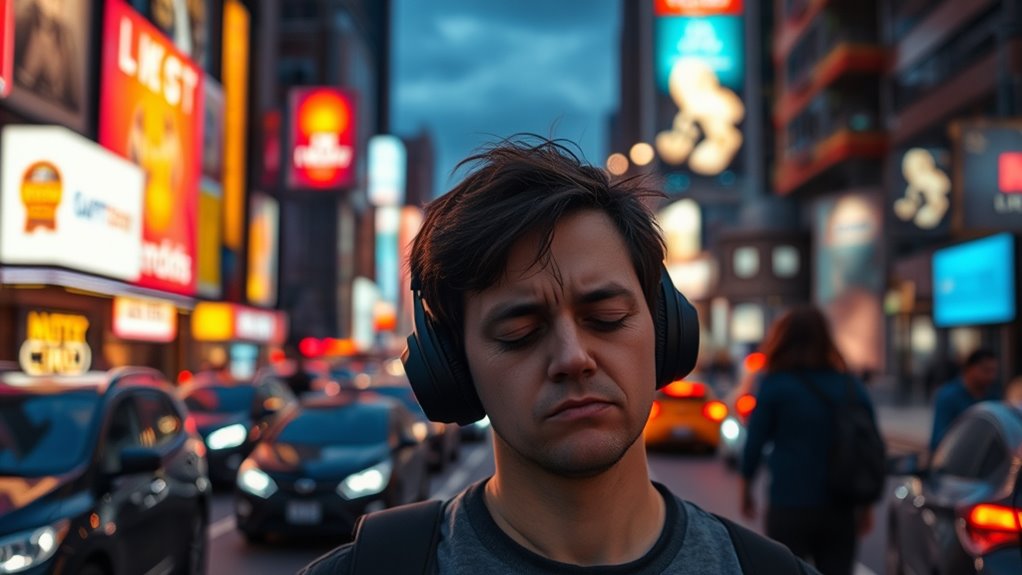
When you’re exposed to noise over a long period, your blood pressure can stay elevated, putting extra strain on your heart. This constant stress activates your body’s stress response, which can lead to more serious heart issues over time. Understanding how chronic noise impacts your heart helps you recognize the importance of reducing exposure to protect your health. Additionally, ongoing research into AI-powered health monitoring aims to develop tools for better detecting and managing noise-related health risks. Recognizing regional disparities, such as higher urban noise levels, can also inform preventative measures and targeted interventions. Incorporating mindfulness practices like yoga can help mitigate some of the stress caused by noise pollution, promoting overall cardiovascular health.
Elevated Blood Pressure
Chronic exposure to loud environments can markedly raise your blood pressure, increasing the risk of developing heart disease over time. To combat this, noise mitigation strategies are essential. Here’s how you can reduce your risk:
- Support community awareness initiatives that promote quieter neighborhoods and workplaces.
- Use noise-canceling devices or earplugs in noisy settings to limit your exposure.
- Advocate for noise regulations and better urban planning to minimize excessive noise pollution.
- Incorporating essential oils for stress reduction, such as lavender or eucalyptus, may also help mitigate the physiological effects of noise-induced stress on your cardiovascular system. Additionally, choosing best laundry detergents for sensitive skin can help reduce skin irritation caused by stress-related sweating and hygiene issues. Regularly practicing relaxation techniques can further lower your stress levels and support heart health.
Stress Response Activation
Prolonged exposure to loud environments triggers your body’s stress response, releasing hormones like adrenaline and cortisol. If you’re sensitive to noise or experience heightened auditory processing, this reaction intensifies, making you more aware of background sounds. Constant noise activates your sympathetic nervous system, increasing heart rate and blood pressure, which puts additional strain on your cardiovascular system. Over time, this persistent stress can lead to chronic activation of your body’s stress mechanisms, raising your risk for heart-related issues. Your body perceives noise as a threat, even if it’s unavoidable, leading to repeated stress responses. This ongoing activation keeps your stress hormones elevated, which can damage blood vessels and disturb normal heart function. Additionally, self watering plant pots are designed to maintain consistent moisture levels, which can help reduce stress on indoor plants caused by irregular watering, promoting a healthier environment. Managing noise sensitivity and reducing exposure helps mitigate this harmful stress response.
Long-term Heart Risks
Extended exposure to loud noises steadily damages your cardiovascular system, increasing your risk of developing heart disease. Chronic noise pollution triggers persistent stress responses, which can lead to high blood pressure, arterial damage, and inflammation. To reduce these risks, consider effective noise mitigation strategies like acoustic zoning, which separates noisy areas from quiet zones.
Here’s what you can do:
- Advocate for acoustic zoning in your community to limit noise exposure.
- Use noise barriers and insulation to protect your home from external noise sources.
- Support policies promoting noise mitigation measures in urban planning.
Long-term exposure to noise elevates your heart disease risk, but proactive steps like proper acoustic zoning and noise control can notably lower this danger and promote cardiovascular health.
Effects of Noise on Sleep Patterns and Quality

Noise pollution can considerably disrupt your sleep patterns and reduce sleep quality, making it harder to fall asleep and stay asleep throughout the night. Increased noise sensitivity heightens your chances of experiencing sleep disturbances, leading to fragmented sleep and lower restfulness. Chronic exposure to loud or unpredictable sounds can cause you to wake frequently and diminish REM sleep, impairing your overall health. The table below highlights common noise sources and their impact:
| Noise Source | Effect on Sleep | Severity Level |
|---|---|---|
| Traffic noise | Frequent awakenings | Moderate to high |
| Sirens, alarms | Sudden arousals | High |
| Neighbor noise | Sleep fragmentation | Moderate |
| Industrial noise | Reduced sleep depth | Severe |
Understanding these effects helps you recognize how noise sensitivity influences your sleep quality.
The Biological Mechanisms Connecting Noise to Sleep Disruption

When loud noises occur, your body activates a stress response, releasing hormones that make it hard to relax and fall asleep. This extra alertness can also throw off your circadian rhythms, disrupting your natural sleep-wake cycle. Understanding these biological mechanisms helps explain why noise pollution markedly impacts your sleep quality.
Stress Response Activation
Exposure to loud or sudden sounds triggers your body’s stress response, activating a cascade of biological mechanisms that can disrupt sleep. When environmental noise occurs, your body perceives it as a threat, leading to the release of stress hormones like adrenaline and cortisol. This response makes it harder to fall asleep or stay asleep. To minimize these effects, consider noise mitigation strategies such as installing soundproof windows or using white noise machines. Understanding how your body reacts helps you take control. Here are key points:
- Environmental noise activates your stress response, increasing alertness.
- Stress hormones interfere with your ability to relax and sleep soundly.
- Noise mitigation reduces the intensity of this response, promoting better sleep quality.
Taking these steps can help manage noise-related sleep disruptions effectively.
Disrupted Circadian Rhythms
Disruptions to your body’s internal clock, or circadian rhythms, occur when irregular or excessive noise interferes with the signals that regulate sleep-wake cycles. This can cause circadian misalignment, where your biological clock is out of sync with the environment, making it harder to fall asleep or stay asleep. Noise-induced disruptions can also trigger hormone disruption, affecting hormones like melatonin, which promotes sleep, and cortisol, which increases alertness. When these hormones are thrown off balance, your sleep quality diminishes, and your overall circadian rhythm becomes disrupted. Over time, this misalignment can lead to persistent sleep problems and increase the risk of cardiovascular issues. In short, noise pollution directly hampers your body’s natural biological timing, undermining restorative sleep and health.
Long-Term Health Consequences of Noise-Related Sleep Disturbances

Chronic noise-related sleep disturbances can have serious long-term health effects that extend beyond mere tiredness. Over time, persistent noise exposure can lead to issues like increased cardiovascular risk, weakened immune function, and cognitive decline. To mitigate these effects, you should prioritize noise mitigation strategies, such as soundproofing techniques in your home. Consider:
- Installing soundproof windows and doors to block external noise.
- Using heavy curtains or acoustic panels in bedrooms.
- Incorporating white noise machines to mask disruptive sounds.
These measures help improve sleep quality and reduce the health risks associated with ongoing sleep disturbances. By actively managing noise exposure through effective soundproofing, you protect your long-term health and well-being.
Strategies to Reduce Noise Exposure and Protect Health

Reducing noise exposure is key to safeguarding your health and improving sleep quality. To lower your personal noise exposure, consider using noise reduction techniques like wearing earplugs or noise-canceling headphones, especially at night or in noisy environments. You can also install soundproof curtains or weather stripping on windows to block external noise. Keep electronic devices away from your bedroom to minimize distractions and noise from alerts. Creating a quiet, calming sleep environment helps protect your cardiovascular health and promotes better sleep. Additionally, setting boundaries with neighbors or coworkers about noise levels can make a significant difference. By actively managing your noise exposure, you take control of your environment and reduce the risk of adverse health effects from noise pollution.
Urban Planning and Policy Measures for Noise Control

Urban planning and policy measures play a crucial role in controlling noise pollution and creating healthier living environments. To achieve this, you should focus on:
- Implementing urban noise mapping to identify noise hotspots and guide zoning decisions.
- Enforcing community noise ordinances that set acceptable noise levels and regulate loud activities.
- Incorporating buffer zones, green spaces, and sound barriers in city designs to reduce noise exposure.
These strategies help limit noise infiltration into residential areas and promote public health. By utilizing urban noise mapping, you can prioritize areas needing intervention. Community noise ordinances ensure consistent enforcement of noise limits, fostering quieter neighborhoods. Together, these measures create a foundation for healthier, more livable cities and protect residents from the adverse effects of noise pollution.
Frequently Asked Questions
Can Noise Pollution Affect Mental Health Besides Cardiovascular and Sleep Issues?
Your mental health and cognitive function can definitely suffer from noise pollution. When you’re exposed to constant or loud noise, it can increase stress levels, leading to anxiety and depression. It also hampers concentration, memory, and overall mental clarity. So, aside from cardiovascular and sleep issues, noise pollution impacts your mental well-being and cognitive performance, making it harder for you to stay focused, calm, and emotionally balanced.
Are Children More Vulnerable to Noise Pollution’s Health Effects Than Adults?
When it comes to noise pollution’s health effects, children are more vulnerable because their developing bodies and brains are like a sponge, absorbing more impact. Child vulnerability means their developmental impacts, such as learning difficulties and emotional stress, can be more severe than in adults. You should be aware that noise can influence their long-term health, making it vital to create quieter environments to protect their growth and well-being.
How Does Noise Pollution Impact Individuals With Pre-Existing Health Conditions?
You might wonder how noise pollution impacts individuals with pre-existing health conditions. Noise exacerbation can worsen symptoms and increase health vulnerability, making it harder to manage conditions like hypertension or asthma. Continuous exposure triggers stress responses, raises blood pressure, and disrupts medication routines. If you have health issues, minimizing noise exposure and advocating for quieter environments can help protect your well-being and reduce the risk of complications.
What Role Does Personal Noise Sensitivity Play in Health Outcomes?
So, you think noise sensitivity is just a fancy excuse for being irritable? Think again. Your individual noise sensitivity actually plays a vital role in health outcome variability. When you’re more sensitive, even everyday sounds can trigger stress responses, impacting your sleep and cardiovascular health. Ignoring this personal trait means missing key factors that influence how noise pollution affects you—so, don’t dismiss your own ears as mere drama queens.
Can Noise Pollution Influence Metabolic or Hormonal Functions?
Noise pollution can influence your metabolic and hormonal functions by causing hormonal disruption and metabolic imbalance. When you’re exposed to constant noise, your body responds with stress hormones like cortisol, which can disrupt your metabolic processes. This hormonal disruption may lead to increased appetite, weight gain, and insulin resistance over time. So, prolonged noise exposure doesn’t just affect your ears—it can also impact your overall hormonal and metabolic health.
Conclusion
So, what’s next? As noise pollution continues to rise, you can’t ignore its hidden dangers to your heart and sleep. Will cities prioritize quieter environments? Will policies change to shield you from these silent threats? The choices you make—whether advocating for change or adjusting your own space—could determine your health’s future. Stay aware, stay alert, because the battle against noise pollution isn’t over yet. The next move is yours.