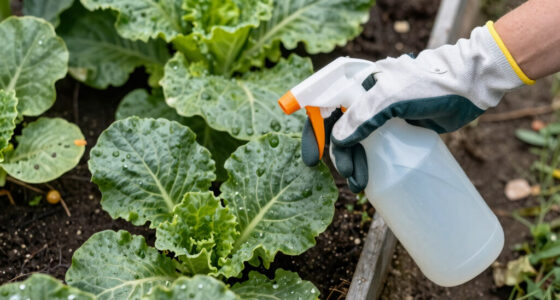

If you live near farms, you may be exposed to pesticides through airborne inhalation, skin contact, or contaminated food and water. This exposure can cause immediate symptoms like headaches and nausea and long-term health issues such as respiratory and neurological problems. To reduce risks, it’s important to use protective gear, wash hands thoroughly, and stay informed about pesticide applications in your area. Keep exploring to discover more ways to protect your community’s health.

Get health and wellness essentials delivered free — and shop member deals
- Fast, free delivery on millions of items
- Access to Prime Big Deal Days deals on October 6–7
- Prime Video, Amazon Music and more included
Key Takeaways
- Agricultural communities face exposure through air, water, soil, and direct contact with pesticides during application or handling.
- Chronic exposure can lead to health issues such as respiratory problems, hormonal disruptions, and neurological effects.
- Proper use of PPE, training, and adherence to safety guidelines can significantly reduce pesticide-related health risks.
- Implementing buffer zones, safe storage, and community awareness help minimize environmental and community exposure.
- Regular air quality monitoring and education are essential for early detection and prevention of pesticide-related health problems.
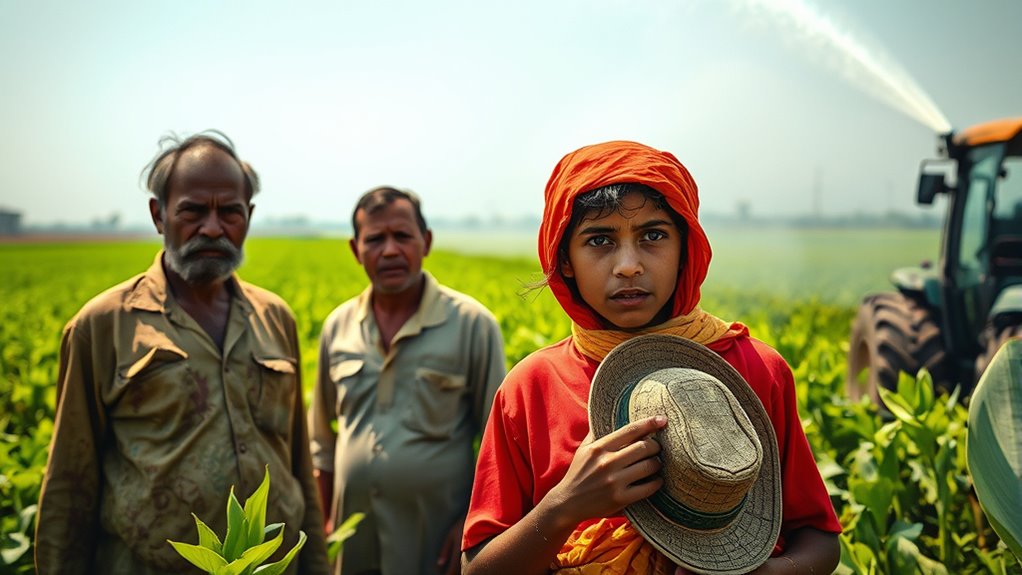
Pesticide exposure occurs when you come into contact with chemicals used to control pests in agriculture, homes, or workplaces. If you live or work near farms where pesticides are extensively applied, understanding how these chemicals affect your health is essential. Exposure can happen through inhalation, skin contact, or even ingestion if pesticides contaminate water or food sources. The health impact of such exposure varies, but it can lead to immediate symptoms like headaches, nausea, or skin irritations, and more serious long-term issues such as respiratory problems, hormonal disruptions, or neurological effects. The risk increases with repeated or high-level exposure, especially for those working directly with pesticides, like farmworkers or pest control personnel.
Pesticide exposure can cause immediate symptoms and long-term health risks, especially for those working directly with chemicals.
To mitigate these risks, implementing safety measures is paramount. You should always wear appropriate personal protective equipment (PPE)—such as gloves, masks, goggles, and long-sleeved clothing—whenever handling pesticides or working in treated fields. Proper training on pesticide application can make a notable difference, helping you understand how to handle chemicals safely and avoid accidental exposure. It’s also essential to observe recommended waiting periods after pesticide application before entering treated areas, reducing the chance of inhaling or absorbing residues. Using integrated pest management (IPM) techniques can minimize pesticide use overall, decreasing potential health impacts for you and your community. Regular monitoring of indoor air quality can also help detect any lingering pesticide residues that may affect your health.
Keeping your environment safe involves more than personal precautions. Proper storage of pesticides away from living spaces prevents accidental ingestion or contact, especially by children or pets. Regularly washing hands and removing contaminated clothing after work also cuts the risk of pesticide residues migrating to your home. Community safety measures, such as establishing buffer zones around farms and enforcing regulations on pesticide use, help lower exposure levels for everyone. Monitoring pesticide application and advocating for transparent communication from agricultural operations can empower you to make informed decisions about your safety.
Understanding the health impact of pesticide exposure highlights why safety measures matter. While pesticides are necessary for protecting crops and controlling pests, safeguarding your health requires awareness and proactive steps. By following safety guidelines, using protective gear, and staying informed about pesticide practices in your area, you can greatly reduce your risks. Protecting your health isn’t just about personal safety; it’s also about maintaining a healthy environment for your community and future generations. Staying vigilant and advocating for safer practices helps guarantee that pesticide use doesn’t come at the expense of your well-being. Incorporating air quality monitoring into your safety plan can further help identify potential hazards related to chemical residues or pollutants in your environment.
As an affiliate, we earn on qualifying purchases.
Frequently Asked Questions
How Do Pesticides Impact Children’s Health in Farming Communities?
You might not realize it, but pesticide residues can considerably impact children’s health in farming communities. Children are more susceptible because their developing bodies absorb and process chemicals differently. Exposure to these pesticides can lead to respiratory issues, developmental delays, and even long-term health problems. By reducing pesticide residues in the environment and ensuring safety protocols, you can help protect children’s well-being and support healthier communities.
What Are the Long-Term Health Effects of Pesticide Exposure?
You might think it’s a one-and-done deal, but long-term pesticide exposure can haunt you. It poses chronic health risks, including neurological effects that worsen over time. Persistent exposure can lead to memory issues, coordination problems, and even increased cancer risk. Don’t underestimate the damage; it’s like playing with fire — the effects may not show immediately but can smolder for years, impacting your health and well-being deeply.
Are There Safer Alternatives to Traditional Pesticides?
Yes, there are safer alternatives to traditional pesticides. You can explore natural alternatives like neem oil, insecticidal soaps, or diatomaceous earth, which are less harmful to your health and the environment. Adopting organic practices, such as crop rotation, beneficial insect introduction, and composting, helps reduce reliance on chemical pesticides. These methods can effectively protect your crops while minimizing the risks associated with conventional pesticides.
How Can Communities Reduce Pesticide Drift and Contamination?
You can critically reduce pesticide drift and contamination by establishing buffer zones around your community. These zones act as protective barriers, preventing chemicals from reaching homes and water sources. Regular pesticide monitoring is essential; it keeps you aware of nearby pesticide use and potential risks. Stay vigilant, advocate for stricter regulations, and support community efforts to enforce safe practices—because protecting your health and environment depends on proactive steps today.
What Policies Exist to Protect Agricultural Workers From Pesticides?
You are protected by regulatory frameworks like OSHA and EPA rules that set safety standards for pesticide use. These policies require proper training, protective equipment, and restricted access during application. Worker protections also include mandatory pesticide labeling, restricted pesticide use near residential areas, and mandatory decontamination procedures. By enforcing these regulations, authorities aim to minimize health risks and ensure agricultural workers’ safety when handling pesticides.
N95 mask for pesticide protection
As an affiliate, we earn on qualifying purchases.
As an affiliate, we earn on qualifying purchases.
Conclusion
Your exposure to pesticides in agricultural communities isn’t just a minor risk—it’s a threat that could shake the very foundation of your health. Every spray, every breath taken near fields, compounds your risk of serious illnesses. Don’t underestimate the power of proper safety measures; they can be your shield against this invisible enemy. Protecting yourself isn’t just important, it’s essential—because ignoring it could lead to health issues more devastating than you can imagine.
As an affiliate, we earn on qualifying purchases.
As an affiliate, we earn on qualifying purchases.
Fall Picks
fall essentials
As an affiliate, we earn on qualifying purchases.