
TL;DR

Get health and wellness essentials delivered free with Prime
- Fast, free delivery on millions of items
- Prime Video, Amazon Music and more included
- Member-only deals all year
Using walls in yoga can enhance stability and alignment, especially for beginners or those working on challenging poses. This article explains how to safely incorporate walls into your practice for better results.
Yoga practitioners can improve stability and alignment by using walls as props during practice, according to a 1981 article from Yoga Journal. This method helps beginners and advanced students alike to prevent falls, deepen poses, and enhance body awareness, making it a valuable addition to any routine.
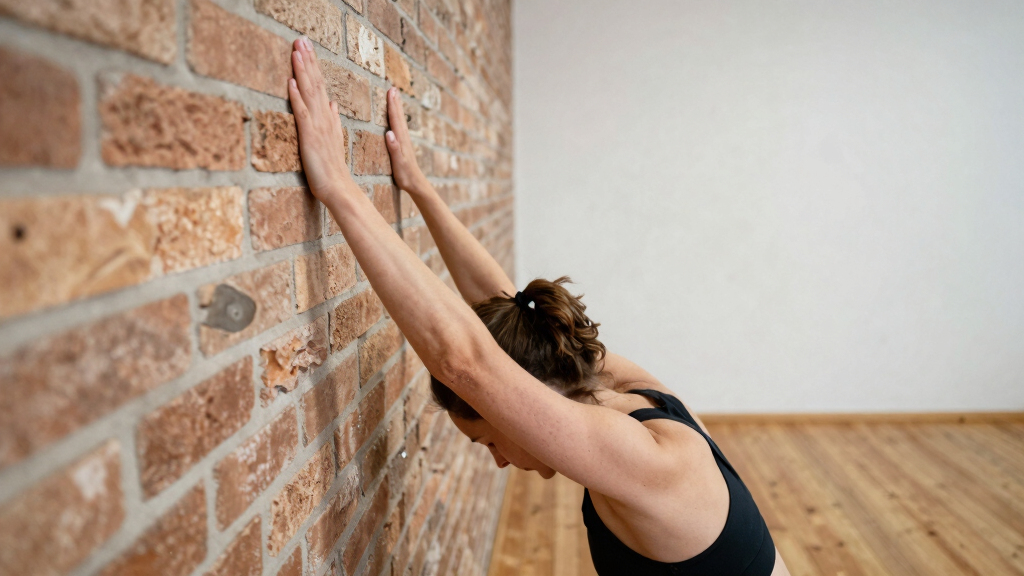
Walls serve as versatile props in yoga, supporting various poses such as headstands, shoulderstands, twists, and seated stretches. For example, practicing headstands against a wall can prevent falls and help build confidence, while walking the heels further up the wall encourages spinal extension and safer alignment. Similarly, shoulderstand modifications with the wall can aid in straightening the spine and opening the chest. Twists like Parivrtta Trikonasana benefit from wall support to improve balance and deepen the twist, especially for beginners or those with limited flexibility. Seated poses like Baddha Konasana or forward bends can be enhanced by sitting with the back against the wall or placing the legs up on the wall, respectively, to maintain proper alignment and avoid strain. Using the wall as a support also helps correct muscle imbalances and promotes proper joint positioning, which can lead to more effective and safer practice.
Why It Matters
Incorporating walls into yoga practice can significantly improve safety, especially for beginners or individuals with limited mobility. Proper alignment reduces the risk of injury and can deepen the effectiveness of poses. Additionally, using walls helps build confidence in challenging postures like headstands and shoulderstands, encouraging practitioners to progress safely. This approach also supports better posture and body awareness outside the studio, which can translate into daily life activities.
As an affiliate, we earn on qualifying purchases.
Background
The use of walls as yoga props has been documented since at least 1981, emphasizing their role in supporting stability and alignment. Traditionally, props like blocks and straps are common, but walls are accessible and often overlooked. Over the years, yoga teachers have increasingly integrated wall support into their teaching, especially for poses that require balance or spinal extension. This practice aligns with modern emphasis on injury prevention and accessible modifications for diverse populations.
“Walls are a wonderful yoga prop because they are so commonplace.”
— Yoga Journal (1981)
“Using the wall helps to straighten the spine and deepen the twist safely.”
— Yoga instructor
As an affiliate, we earn on qualifying purchases.
What Remains Unclear
It is not yet clear how the use of walls affects long-term flexibility and strength development, or how different body types may benefit from specific modifications. Further research or practitioner feedback is needed to quantify these effects.
As an affiliate, we earn on qualifying purchases.
What’s Next
Practitioners are encouraged to experiment with wall-supported poses and observe improvements in stability and alignment. Yoga teachers may incorporate wall modifications into classes and monitor their effectiveness. Future developments could include more structured guidelines or studies examining the long-term benefits of wall-supported yoga.
As an affiliate, we earn on qualifying purchases.
Key Questions
Can using a wall replace traditional yoga props like blocks and straps?
Walls can be a substitute or supplement for props, especially for support and alignment, but they do not replace all props. It depends on the pose and individual needs.
Is it safe to practice headstands against a wall?
Yes, practicing headstands with wall support can prevent falls and build confidence, but proper technique and caution are essential. Consulting a qualified instructor is recommended.
How often should I incorporate wall-supported poses into my practice?
Practitioners can use walls as needed, especially when working on balance or alignment. Regular use can enhance stability, but should be balanced with free-standing poses for overall development.
Are there any drawbacks to using walls in yoga practice?
Over-reliance on walls may limit the development of balance and strength in unsupported poses. It is advisable to use wall support as a temporary aid rather than a permanent crutch.
Fall Picks
fall essentials
As an affiliate, we earn on qualifying purchases.