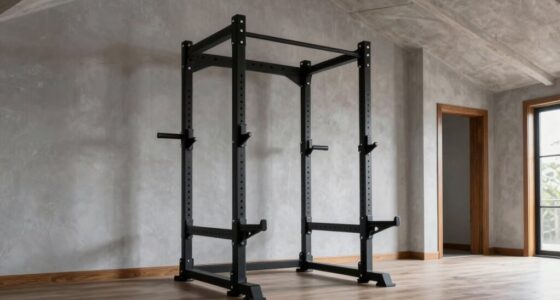
To prevent injuries, you must set up your power rack properly. Avoid common mistakes like mismatched safety bars, unsecured attachments, or uneven adjustments, which can cause wobbling or tilt during lifts. Always check that everything is level, tightly fastened, and suited to your height and workout style. Regular inspections and correct tool use are key to safety. Keep these tips in mind, and you’ll discover how to create a secure, injury-free workout environment.
Key Takeaways
- Incorrect safety bar or J-hook placement can lead to instability and increased injury risk during lifts.
- Failing to level and tightly secure the rack compromises its structural integrity and safety.
- Neglecting regular inspections for wear, loose fasteners, or damage increases accident chances.
- Using improper accessories or mismatched equipment can cause wobbling and unsafe lifting conditions.
- Overlooking proper safety measures, like double-checking pin heights and securing attachments, heightens injury risk.
As an affiliate, we earn on qualifying purchases.
Why Proper Power Rack Setup Matters for Safety
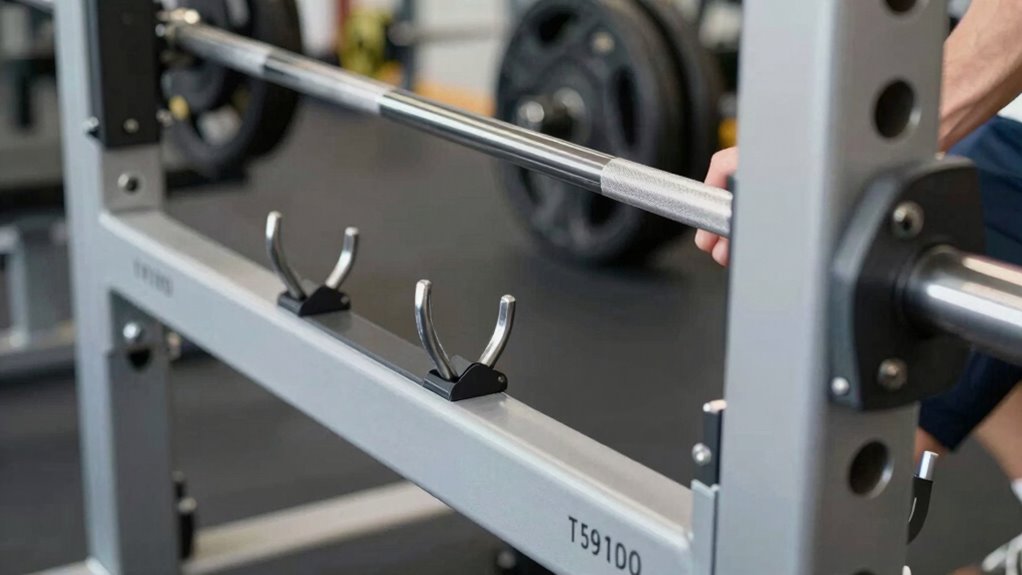
A proper power rack setup is essential for your safety because it guarantees stability and prevents accidents during your workouts. You should consider power rack customization to fit your specific needs, ensuring it’s tailored to your height and workout style. Equally important is understanding the user weight capacity—never exceed this limit, as pushing beyond it can cause structural failure. Properly adjusting safety bars and J-hooks to the correct height prevents mishaps during lifts. A well-set-up rack provides a secure environment, giving you confidence to push your limits safely. Taking a few extra minutes to customize and verify the setup makes a significant difference in avoiding injuries and creating a safer, more effective training space. Additionally, incorporating essential home safety tips can help enhance your overall workout experience by reducing potential hazards in your environment.
adjustable J-hooks for power rack
As an affiliate, we earn on qualifying purchases.
As an affiliate, we earn on qualifying purchases.
Common Mistakes That Increase Injury Risk
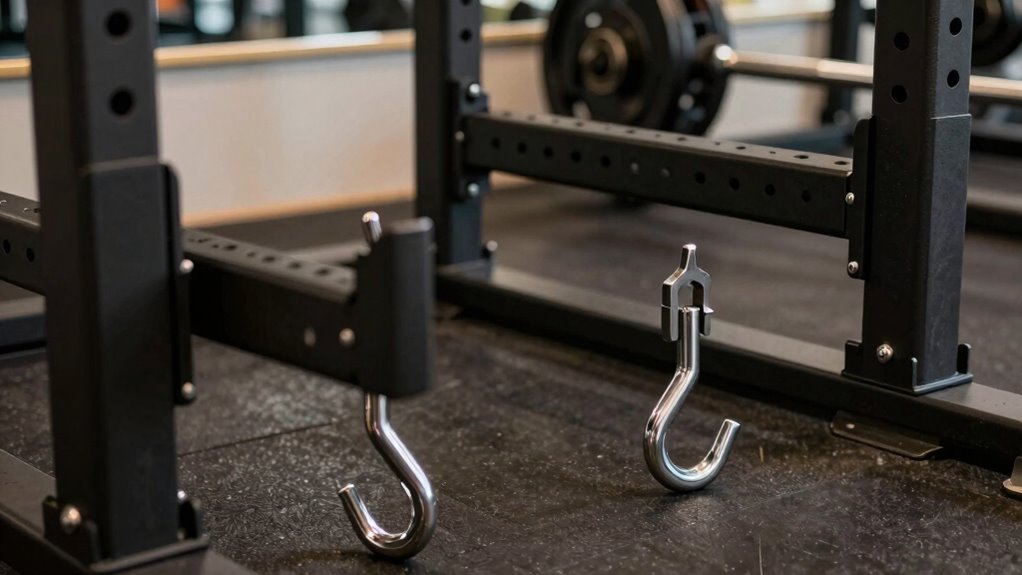
Many injuries happen because lifters overlook common mistakes that compromise safety. Overconfidence hazards often lead you to push beyond your limits or skip safety measures, increasing the risk of accidents. Rushing through setups or attempting lifts without proper preparation makes you vulnerable to injury. Another frequent mistake is wearing improper footwear that doesn’t provide enough grip or support, which can cause slips or imbalance during lifts. Failing to double-check safety bars, ignoring proper form, or underestimating the importance of a spotter also heighten injury risk. Recognizing these hazards and avoiding complacency is essential. Additionally, incorporating eco-friendly practices in your workout environment can create a safer and more pleasant space. Staying alert, respecting your limits, and ensuring your footwear and setup are correct can greatly reduce the chance of accidents while using a power rack. Furthermore, understanding risk management strategies can enhance your approach to training, ensuring a safer experience. Incorporating digital concepts into your training routine can also provide valuable insights and enhance safety measures. Maintaining a high contrast ratio in your training environment can improve visibility and focus, further enhancing safety.
As an affiliate, we earn on qualifying purchases.
How to Correctly Set Up Your Power Rack Step by Step
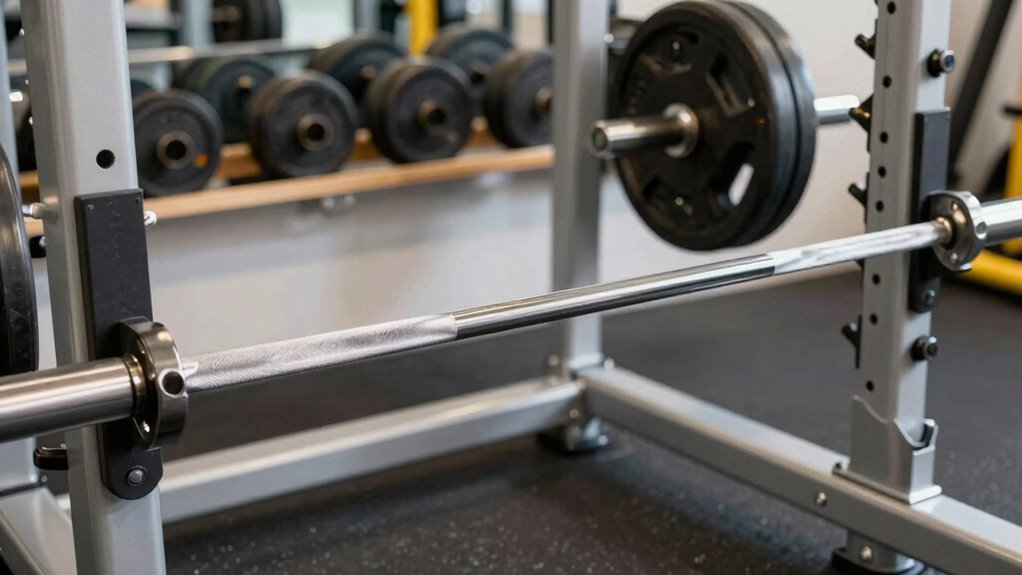
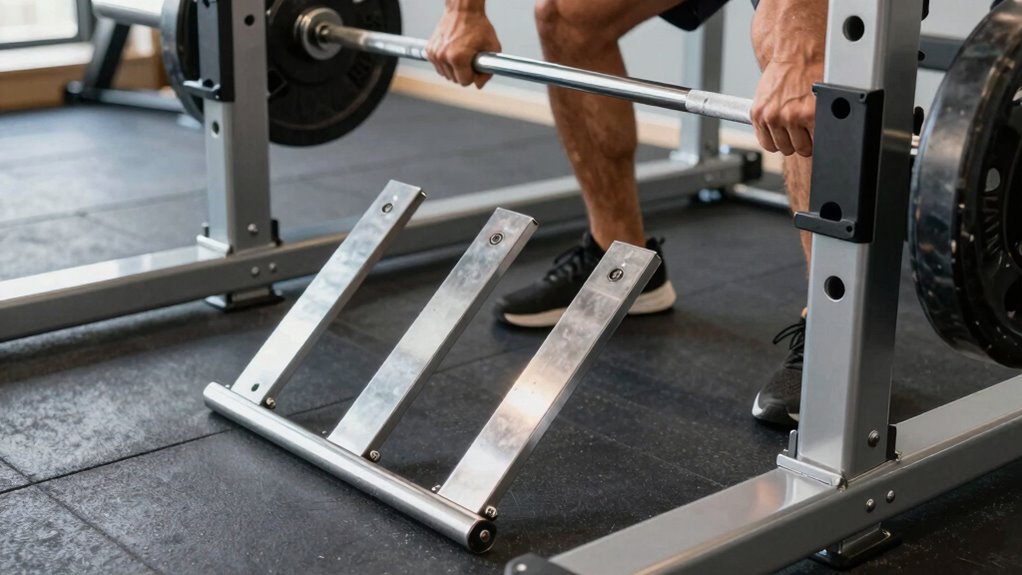
Setting up your power rack correctly is essential for safe and effective lifting. Begin by adjusting the height of the safety bars and J-hooks to match your specific exercises and body dimensions. Proper adjustment safety assures you won’t be caught off guard during lifts, reducing injury risk. Make sure the rack is level and stable on the floor, tightening all bolts and connections. It’s important to regularly inspect your equipment for wear and tear to ensure long-term safety and functionality. Pay attention to user ergonomics by positioning the bars at a height that allows you to lift comfortably without overextending or straining. Remember that utilizing accessibility features can further enhance your overall lifting experience. A well-set rack can also help prevent common lifting injuries during workouts. Check that the weight pegs are secure and that the rack’s pull-up bar is at a suitable height for your reach. Additionally, consider using anti-fatigue mats to enhance your comfort during workouts. Taking these steps guarantees a safe, ergonomic setup that supports your workout and minimizes accident potential.
As an affiliate, we earn on qualifying purchases.
Tools and Inspections to Keep Your Rack Safe
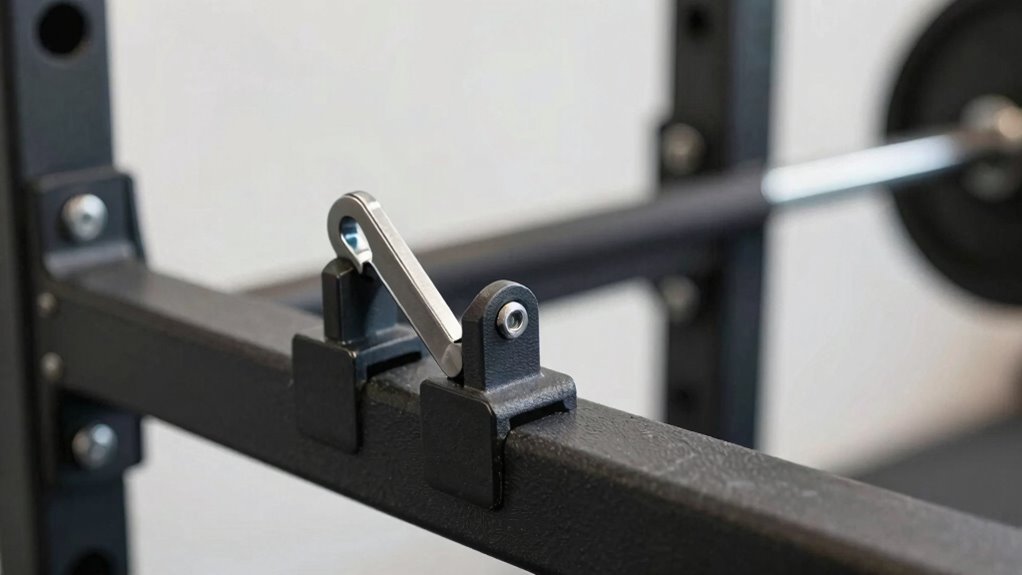
To keep your power rack safe, you need to regularly inspect your equipment for any signs of wear or damage. Make sure you choose the proper tools for adjustments and repairs, and always use secure fastening methods to prevent accidents. Consistent checks and proper procedures will help guarantee your rack stays stable and safe during every workout. Additionally, understanding the principles of shipwreck preservation can offer insights into maintaining the longevity of your equipment. Engaging in cultural festivals can also be a great way to learn about community safety practices and share experiences with others. Regular maintenance contributes to burnout prevention, ensuring your training remains effective without unnecessary risk. Incorporating cyber hygiene into your routine can also enhance overall safety by ensuring your training environment is free from distractions and hazards. Furthermore, employing predictive analytics can help you anticipate equipment issues before they become significant problems.
Regular Equipment Checks
How often do you inspect your power rack? Regular equipment checks are essential for safety. You should perform inspections weekly to catch any issues early. During these checks, focus on:
- Equipment calibration – Make sure all weight attachments and safety pins are properly calibrated and secure. Misaligned or loose parts can cause accidents.
- Structural integrity – Look for rust, cracks, or bent components that could compromise stability.
- User training – Make sure you’re familiar with the rack’s features and safety mechanisms, and educate others using the equipment on proper use.
Proper Tool Selection
Using the right tools for inspections and maintenance is key to keeping your power rack safe. Proper tool selection guarantees you can efficiently identify issues and perform necessary equipment maintenance. Invest in quality, specialized tools like torque wrenches, screwdrivers, and inspection mirrors designed for gym equipment. These tools help you accurately assess fasteners, welds, and structural components, preventing unnoticed damage. Additionally, proper tools support user training by making it easier to teach correct inspection routines. Regularly check your tools for wear and calibration to maintain their effectiveness. Using the correct tools minimizes the risk of damaging parts or overlooking safety hazards. Prioritize tool quality and proper use to keep your power rack secure and reduce injury risks during workouts. Furthermore, understanding reliable guidance can empower you to conduct thorough inspections and ensure the longevity of your equipment. Investing in high-quality gear can also enhance your overall safety and workout experience. Additionally, utilizing the right measurement tools can help ensure that all components are functioning within safe limits, thereby enhancing your equipment’s reliability.
Secure Fastening Methods
Sure! Here’s the modified content with the requested changes:
—
Ensuring your power rack stays secure begins with proper fastening methods, which are critical for maintaining structural integrity and safety. Regular inspections help catch loose bolts or worn parts before accidents happen. When fastening, make sure the bolts are tightened to the manufacturer’s specifications, and check for proper rope alignment to prevent uneven stress. Proper accessory compatibility ensures attachments fit securely, reducing risk during workouts. To keep everything in check:
- Use a torque wrench to tighten bolts evenly and to the correct specifications.
- Inspect fasteners and connectors regularly for signs of wear or loosening.
- Confirm that accessories are compatible and fit tightly, avoiding any wobbling or slipping. In a similar manner, innovative designs in composting toilets can also enhance safety and efficiency in modern bathrooms. Additionally, be aware that aftercare essentials play a crucial role in preventing complications in body piercings, similar to ensuring a secure setup.
These steps help maintain a safe, stable power rack environment. Additionally, consider the potential for significant improvements in physical performance through optimized health techniques, as a well-maintained setup can enhance your overall workout experience.
—
Let me know if you need any further assistance!
Signs Your Power Rack Isn’t Set Up Properly
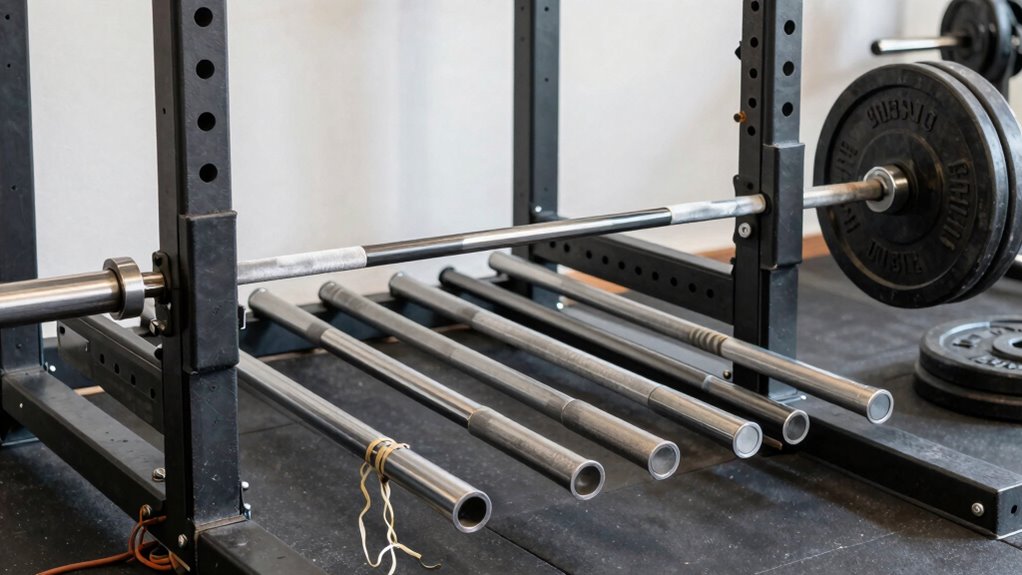
If your safety pins are placed inconsistently or at different heights, it’s a clear sign your power rack isn’t set up correctly. You might also notice the station feels uneven or wobbly when in use. Addressing these issues promptly keeps your workouts safe and your equipment reliable.
Inconsistent Safety Pin Placement
One of the clearest signs that your power rack isn’t set up properly is inconsistent safety pin placement. If the safety pins aren’t at the same height or don’t line up with your workout goals, it’s a red flag. Incorrect safety pin placement can lead to dangerous situations, especially if the power rack height isn’t adjusted correctly for your exercises.
Check for these issues:
- Safety pins at different heights, making it hard to trust your setup.
- Pins positioned too low or high for your typical lifts, risking injury.
- Inconsistent spacing between safety pins, causing uncertainty during lifts.
Ensuring proper safety pin placement and adjusting the power rack height correctly are essential for safe, effective training.
Uneven Station Stability
Uneven Station Stability (Signs Your Power Rack Isn’t Set Up Properly)
Uneven station stability is a clear sign that your power rack isn’t set up properly. If the rack wobbles or tilts during use, it indicates poor balancing techniques or incorrect rack calibration. To fix this, double-check that all bolts and screws are tight and evenly secured. Use a level to ensure the frame is perfectly vertical and properly calibrated. An unsteady rack compromises your safety and can lead to accidents. Regularly inspect your setup, especially before heavy lifts, and adjust as needed. Proper balancing techniques involve distributing weight evenly across the rack and ensuring all components are aligned. When your station is stable, you’ll lift with confidence, knowing your equipment won’t shift unexpectedly. Additionally, understanding inclusive casting is essential for promoting safety and awareness in various fitness communities. Additionally, cleaning your equipment regularly is essential to prevent injuries and maximize workout safety. Proper setup is essential to prevent injuries and maximize workout safety. Additionally, understanding cookie consent requirements can help you navigate digital platforms related to fitness safely and effectively. Remember that using a level tool can help ensure your setup is accurate, promoting optimal stability during your lifts.
Tips for Maintaining Safety During Every Workout
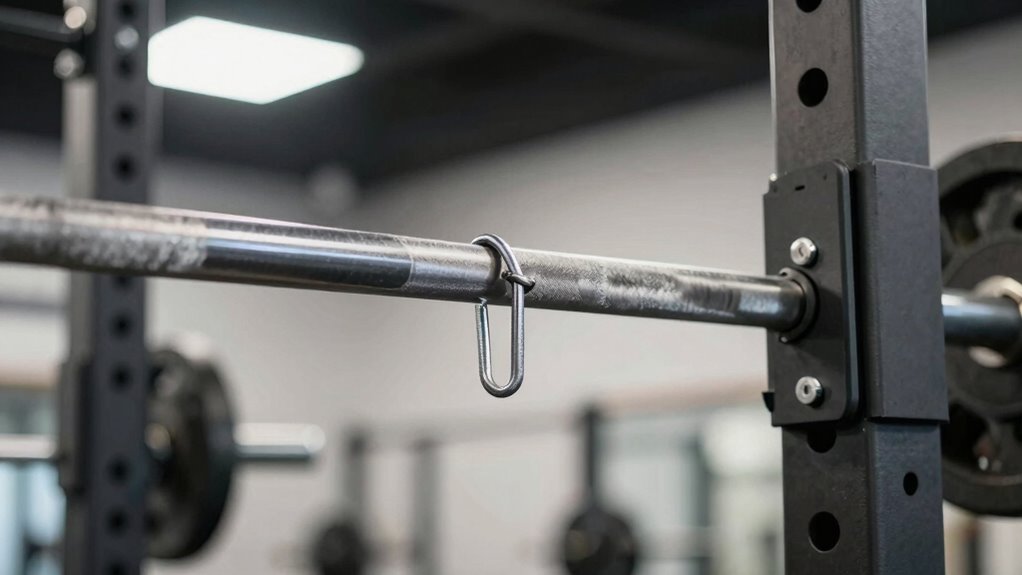
To stay safe during every workout, you need to stay alert and intentional with your movements. Consistently check your equipment accessories to confirm everything’s secure before lifting. Stick to your workout routines without rushing, which helps prevent accidents caused by fatigue or distraction. Always warm up properly to prepare your muscles and joints for the load.
Here are three tips to maintain safety:
- Use appropriate equipment accessories, like weight clips and safety bars, to prevent weights from slipping.
- Follow your workout routines precisely, avoiding sudden or uncontrolled movements.
- Pay attention to your form throughout each set to minimize injury risk and ensure effective training.
Staying mindful and prepared keeps your workouts safe and effective.
Frequently Asked Questions
How Often Should I Inspect My Power Rack for Safety?
You should inspect your power rack at least once a month for safety. Regular rack maintenance and safety inspections help identify loose bolts, worn-out parts, or any damage that could cause injuries. Each time you use the rack, do a quick visual check. Staying proactive guarantees your equipment remains safe, preventing accidents and prolonging its lifespan. Consistent inspections are key to maintaining a secure workout environment.
Are There Specific Brands Known for Safer Power Racks?
You’re right to ask—some brands stand out for safety. Brands like Rogue, PRx, and Titan have solid reputations, backed by safety certifications and quality control. They’re known for durable, well-engineered racks that keep you safe during heavy lifts. Remember, don’t put all your eggs in one basket; research each brand’s safety standards and reviews to guarantee you’re investing in a reliable, risk-free setup.
Can DIY Modifications Compromise Power Rack Safety?
DIY modifications can definitely compromise your power rack’s safety if not done properly. When you alter the structure, you risk weakening rack stability, making it more prone to tipping or collapsing during lifts. Always guarantee that any DIY changes are secure, use appropriate materials, and follow safety guidelines. If you’re unsure, consulting a professional can help prevent accidents and maintain the integrity of your power rack.
What’s the Best Way to Teach Beginners Proper Setup?
To teach beginners proper setup, start by emphasizing proper alignment and the importance of equipment calibration. Show them how to adjust safety bars and hooks correctly, ensuring they’re at the right height. Have them practice with lighter weights first, focusing on technique before increasing load. Remember, a stitch in time saves nine—making sure their setup is spot-on from the start prevents injuries and builds confidence.
How Do I Safely Adjust the Rack Height During Workouts?
To safely adjust the rack height during workouts, first make certain you’re adjusting the safety bars or J-hooks before starting your set. Keep your movements controlled as you lift or lower the rack components, avoiding sudden shifts. Always double-check that the safety mechanisms are securely in place after adjusting. By focusing on adjusting safety and rack height carefully, you reduce injury risks and maintain a safe, effective workout environment.
Conclusion
Remember, a properly set up power rack is your best defense against injuries—you don’t want to learn the hard way that a stitch in time saves nine. Double-check your setup before every workout, stay vigilant for signs of wear or misalignment, and never cut corners. When it comes to safety, it’s better to be safe than sorry—because a little extra effort now can save you from a big setback later. Stay smart, stay safe!