
TL;DR

Get health and wellness essentials delivered free — and shop member deals
- Fast, free delivery on millions of items
- Access to Prime Big Deal Days deals on October 6–7
- Prime Video, Amazon Music and more included
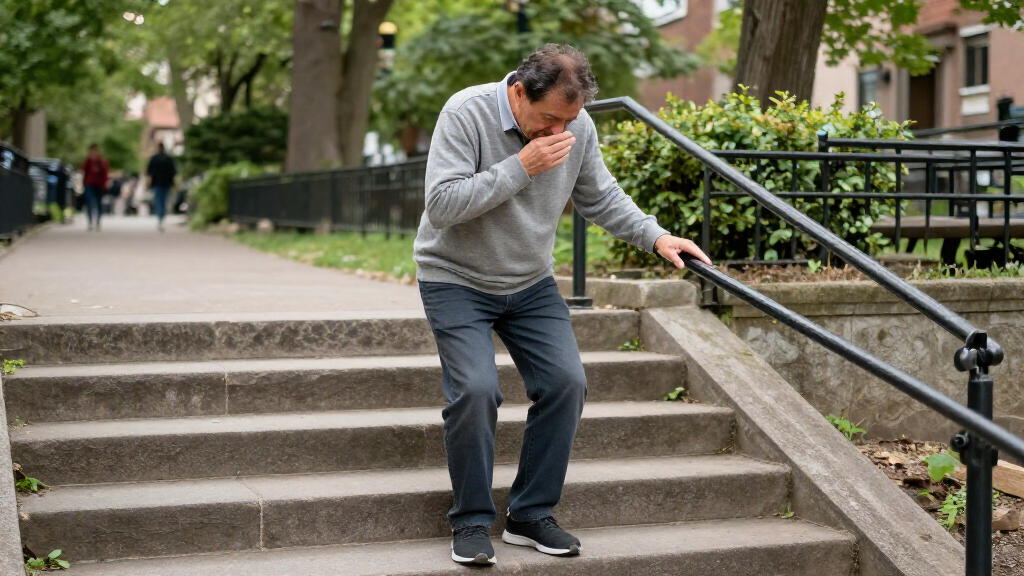
A study published in JAMA Cardiology found that people who later experienced cardiovascular disease events had worse frailty, intrinsic capacity and physical health profiles up to a decade beforehand. Differences widened in the five years before an event, but the findings show an association and do not establish that functional decline causes cardiovascular disease.
People who went on to experience a cardiovascular disease event showed worse frailty, physical capacity and physical health-related quality of life as far as 10 years beforehand, according to a study published online September 23 in JAMA Cardiology. The analysis of 12,015 participants found that these differences widened in the five years before an event, suggesting functional health measures may help identify a prolonged period for closer clinical attention.
The study was led by Aung Zaw Zaw Phyo of Monash University in Melbourne, Australia, and colleagues. Researchers used data from the Aspirin in Reducing Events in the Elderly cohort, comparing 2,403 participants who experienced a cardiovascular event with 9,612 matched controls. They examined changes over time in measures of frailty, intrinsic capacity and physical health-related quality of life.
Participants who later had an event had consistently poorer profiles than controls in the years preceding it. In the five years before the event, the gap widened: the event group had greater increases in frailty and faster declines in intrinsic capacity and physical health-related quality of life. The report lists estimates for these changes, including a β of 0.78 for the Frailty Index and −0.34 for intrinsic capacity; these are study-model estimates, not percentages of risk.
The timing differed by event type. The researchers reported that patterns were similar across components of the cardiovascular disease composite, but divergence appeared at least 10 years before heart failure and fatal coronary heart disease, earlier than for myocardial infarction or stroke. The study identifies patterns in a group over time; it does not show that functional decline itself caused the later events.
Functional Measures May Flag Earlier Change
The findings point to a possible opportunity to recognize changes in health before a cardiovascular event becomes clinically apparent. Frailty and physical function reflect more than one body system, so tracking them may add information about a person’s changing overall health alongside established cardiovascular assessments. The authors say the extended period of decline could support closer clinical evaluation and early intervention.
That implication is not the same as a proven screening strategy. The report does not establish that monitoring these measures prevents heart attacks, strokes or heart failure, nor does it specify a single threshold that clinicians or patients should use. It supports further attention to functional trajectories as a potential signal, rather than a stand-alone prediction tool.
As an affiliate, we earn on qualifying purchases.
How Researchers Tracked Aging Before Events
The analysis was a nested case-control study within the Aspirin in Reducing Events in the Elderly cohort. Researchers compared participants who experienced a cardiovascular event with matched participants who did not, then examined recorded functional measures in the years leading up to the event. The study report was published in JAMA Cardiology under the title “Multidimensional Aging Trajectories Preceding Cardiovascular Events.”
The measures included two frailty assessments, intrinsic capacity and physical health-related quality of life. Rather than assessing only a single measurement at the time of diagnosis, the researchers examined trajectories over time. Medical Xpress reported the findings on October 1, citing the journal publication dated online September 23, 2026.
“Declines in functional aging markers were prominent before clinically apparent CVD.”
— Aung Zaw Zaw Phyo and colleagues, in the study
physical function monitoring devices
As an affiliate, we earn on qualifying purchases.
As an affiliate, we earn on qualifying purchases.
Prediction and Prevention Remain Unproven
The reported findings show that functional decline preceded events in this study population, but they do not establish cause and effect. The source report does not provide evidence that improving frailty or physical capacity would prevent cardiovascular disease, or that the measures can reliably predict which individual will have an event.
The available report also does not specify the absolute risk associated with each measure, a validated clinical cutoff, or how the findings would perform in populations outside this cohort. It does not detail whether the patterns apply equally across different ages or other demographic groups. Those questions would need further research before the results could be translated into a specific screening recommendation.
As an affiliate, we earn on qualifying purchases.
Clinical Testing Needs Further Study
The next step is to determine whether functional measures add useful predictive information to existing cardiovascular assessments and whether acting on that information improves health outcomes. Studies in other populations could test whether the observed trajectories are reproducible and identify which measures, time points and thresholds are clinically useful.
Until that evidence is available, the paper supports attention to the association—not a change to an individual’s care plan based on frailty measures alone. People with concerns about cardiovascular risk or declining function should discuss them with a qualified health professional, who can consider their circumstances and established risk factors.
cardiovascular health screening kits
As an affiliate, we earn on qualifying purchases.
As an affiliate, we earn on qualifying purchases.
Key Questions
What did the study find?
People who later experienced cardiovascular events had worse frailty, intrinsic capacity and physical health-related quality of life than matched controls, with differences present years before the event and widening in the final five years.
How many people were included?
The analysis included 12,015 participants from the Aspirin in Reducing Events in the Elderly cohort: 2,403 who experienced an event and 9,612 matched controls.
Does functional decline cause cardiovascular disease?
The study does not establish that it does. It found an association between worsening functional measures and later cardiovascular events; it did not test whether the decline caused those events.
Which events showed earlier differences?
The report says divergence began at least 10 years before heart failure and fatal coronary heart disease. For myocardial infarction and stroke, the differences emerged later, though the report does not give a more precise timeframe in its summary.
Does the study recommend a new screening test?
No specific screening test or clinical cutoff is established by the reported findings. The authors suggest closer evaluation may be warranted, but further research is needed to determine how these measures should guide care.
Source: rss
Fall Picks
fall essentials
As an affiliate, we earn on qualifying purchases.