

Microbiome transplants, like fecal and vaginal procedures, restore healthy microorganism balance in your body. Fecal transplants help treat infections like *Clostridioides difficile*, boost digestion, and strengthen immunity by increasing beneficial bacteria. Vaginal microbiome transplants target recurring infections, improve comfort, and support natural defenses. Both methods involve careful donor screening and various transfer techniques. To understand how these innovative treatments may benefit you and the latest developments, keep exploring how technology advances in this field.

Get health and wellness essentials delivered free — and shop member deals
- Fast, free delivery on millions of items
- Access to Prime Big Deal Days deals on October 6–7
- Prime Video, Amazon Music and more included
Key Takeaways
- Fecal microbiome transplants restore gut balance, treat *Clostridioides difficile* infections, and enhance immune function through diverse beneficial bacteria.
- Vaginal microbiome transplants address recurrent infections like bacterial vaginosis and yeast overgrowth by restoring microbial diversity.
- Donor screening is critical for both procedures to prevent transmission of pathogens and ensure microbiome safety and efficacy.
- Various transfer methods, such as capsules, enemas, or colonoscopy, optimize microbiome delivery while minimizing discomfort.
- These transplants offer natural alternatives to antibiotics, support immune health, and are emerging therapies for complex infections and imbalances.
fecal microbiome transplant capsules
As an affiliate, we earn on qualifying purchases.
As an affiliate, we earn on qualifying purchases.
Understanding the Microbiome and Its Role in Health
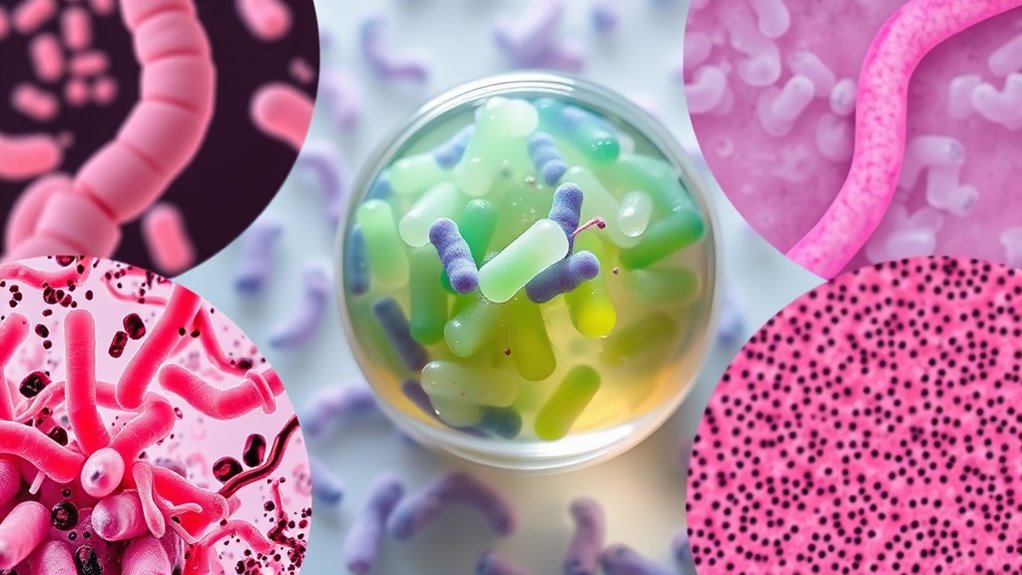
The microbiome refers to the vast community of microorganisms living in and on your body, especially in your gut. This diverse ecosystem, known as microbiome diversity, influences many aspects of your health, from digestion to immune function. When your microbiome is balanced, it helps protect against harmful microbes and supports nutrient absorption. However, disruptions can reduce diversity and lead to microbial resistance, where harmful bacteria become harder to eliminate. Maintaining a healthy microbiome involves a variety of factors, including diet, lifestyle, and avoiding unnecessary antibiotics. By understanding your microbiome’s role, you can take steps to support its diversity and resilience, which are essential for overall health. A balanced microbiome acts as a key defense system, promoting wellness and preventing disease. Understanding chemistry concepts can also help you better grasp how these microorganisms interact with your body.
As an affiliate, we earn on qualifying purchases.
The Procedure and Process of Fecal Microbiome Transplants
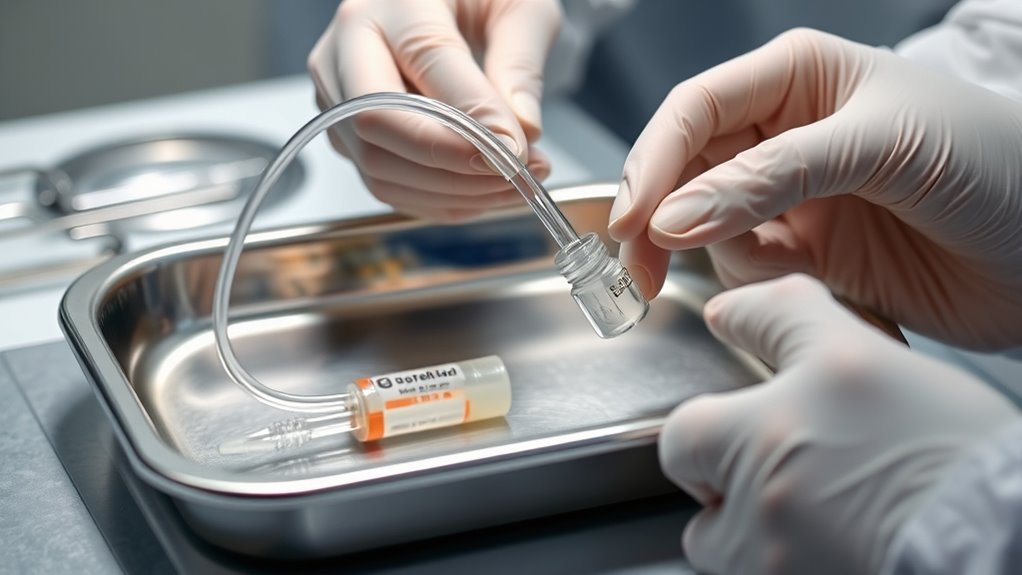
When undergoing a fecal microbiome transplant, the first step is ensuring a thorough donor screening process to select safe and healthy stool. Next, the procedure involves various transplantation methods, such as colonoscopy, enema, or oral capsules. Afterward, you’ll need to follow specific post-procedure care instructions to support your recovery and microbiome integration. Additionally, understanding the role of microbiome composition is essential, as it influences the success of the transplant and overall gut health.
Donor Screening Process
Before a fecal microbiome transplant can proceed, potential donors undergo a rigorous screening process to guarantee safety and efficacy. This process assesses donor eligibility through detailed medical history reviews, lifestyle evaluations, and physical exams. Screening protocols include blood tests for infectious diseases like HIV, hepatitis, and syphilis, along with stool tests to detect pathogens, parasites, or antibiotic-resistant bacteria. You’ll also be asked about recent travel, medication use, and any health symptoms. The goal is to ensure the donor’s microbiome is healthy and free of transmissible conditions. Only donors who meet all criteria are approved to donate, minimizing risks and ensuring safe, effective transplants. This thorough screening process is essential for protecting recipients and maintaining transplant success. Additionally, understanding the microbiome diversity of donors helps improve the likelihood of successful colonization and therapeutic outcomes.
Transplantation Methods Used
Once a donor has successfully passed all screening tests, the next step is to perform the actual fecal microbiome transplant. Ensuring donor compatibility is vital to reduce rejection risks and improve success rates. Several transplant techniques are used depending on the patient’s condition and preferences. The most common method involves delivering processed stool via a colonoscope or enema, directly introducing beneficial bacteria into your colon. Alternatively, capsules containing freeze-dried microbiota are swallowed, offering a less invasive option. Some clinics also use a naso-enteric tube to deliver the transplant to the small intestine. Regardless of the technique, the goal remains the same: restore a healthy microbiome balance efficiently while minimizing discomfort. Your healthcare provider will choose the most suitable method based on your specific needs. Proper material handling and preparation are crucial to ensure the viability of the microbiota during the transfer process.
Post-Procedure Care
After a fecal microbiome transplant, your healthcare team will provide specific instructions to support your recovery and guarantee the success of the procedure. You’ll likely need to make dietary adjustments, such as eating probiotic-rich foods and avoiding processed or overly sugary items to help the transplanted microbiome establish itself. Good hygiene practices are also essential; wash your hands frequently and follow any guidelines for personal cleanliness to prevent infections. You might be advised to monitor your bowel movements and report any unusual symptoms. Staying hydrated and resting as needed can further promote healing. By adhering to these post-procedure care steps, you improve the chances of successful microbiome integration and long-term health benefits.
As an affiliate, we earn on qualifying purchases.
Applications and Benefits of Fecal Transplants
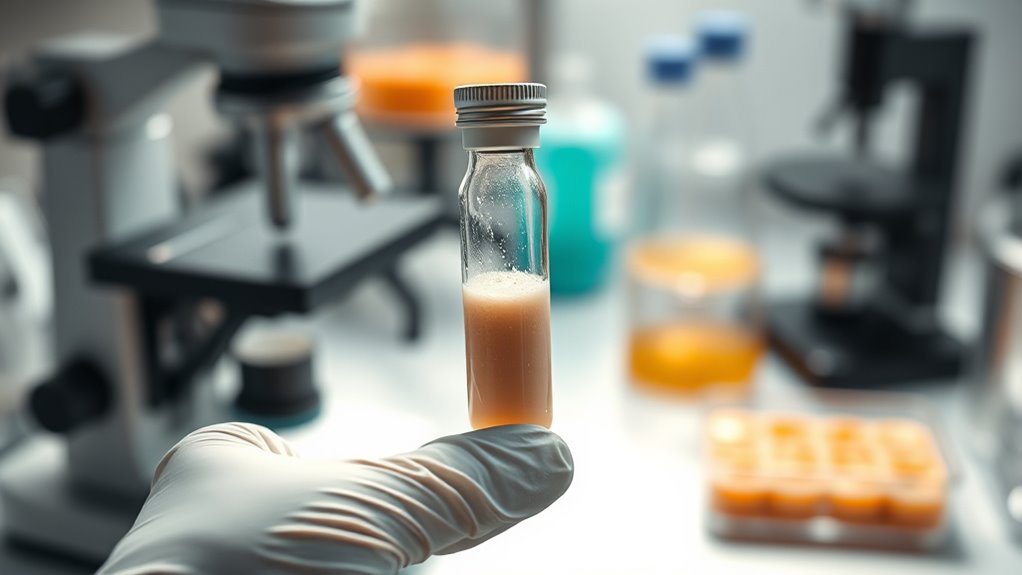
Fecal transplants can effectively restore gut balance, helping you recover from disruptive conditions. They are especially known for treating persistent infections like Clostridioides difficile, offering a promising alternative to antibiotics. Additionally, research suggests they might boost your immune response, providing broader health benefits.
Restoring Gut Balance
Restoring gut balance through fecal transplants offers a promising way to reintroduce beneficial bacteria and improve overall digestive health. By boosting your microbiome, you can better handle various foods and reduce digestive discomfort. Here are three key benefits:
- Enhanced Diet Diversity: Fecal transplants can help your gut adapt to a wider range of foods, promoting a more varied diet and better nutrient absorption.
- Reduced Environmental Impacts: Restoring a healthy microbiome can lessen the need for antibiotics and other interventions that may harm the environment.
- Improved Digestive Function: By rebalancing your gut bacteria, you support digestion, decrease inflammation, and promote overall wellness.
This approach offers a sustainable way to maintain gut health amid environmental challenges.
Treating Clostridioides Difficile
Treating Clostridioides difficile infections with fecal transplants has emerged as a highly effective therapy, especially when traditional antibiotics fail. This approach boosts microbiome diversity, restoring beneficial bacteria that antibiotics often diminish. By increasing diversity, fecal transplants help outcompete C. difficile, reducing its ability to produce toxins. This method also addresses the challenge of antibiotic resistance, which makes infections harder to treat with conventional drugs. Instead of relying solely on antibiotics, you introduce a healthy microbial community that reestablishes gut balance naturally. The result is a significant decrease in infection recurrence and symptom severity. Overall, fecal transplants offer a promising, targeted solution that leverages the body’s own microbiome to fight resistant infections and restore gut health effectively. Additionally, understanding the online resources available for guidance can streamline the process and improve outcomes. Incorporating microbiome diversity through transplantation can lead to more sustained health benefits by promoting a balanced and resilient gut ecosystem. Moreover, advances in microbiome research are continually enhancing the effectiveness and safety of these procedures.
Potential Immune Benefits
Although primarily known for its role in gut health, fecal transplants may also offer significant immune benefits. By increasing microbiome diversity, they help strengthen your body’s natural defenses. Here are three ways they may boost your immune system:
- Enhance immune modulation, helping your body better respond to pathogens.
- Reduce inflammation by balancing beneficial bacteria and decreasing harmful microbes.
- Support the development of a resilient immune response, especially in individuals with compromised immunity.
- Ongoing research into AI safety measures highlights the importance of monitoring complex biological interventions like fecal transplants to ensure safety and efficacy. Additionally, understanding the microbiome’s role in immune regulation can lead to more targeted treatments in the future.
- The process of microbiome restoration through transplants can also promote immune system diversity, making the body more adaptable to various health challenges.
Fecal transplants influence the microbiome’s composition, which plays a key role in immune regulation. As microbiome diversity improves, your immune system becomes more adaptable and effective at fighting off infections. This expanding potential makes fecal transplants an exciting tool beyond gut health.
As an affiliate, we earn on qualifying purchases.
Vaginal Microbiome Transplants: An Emerging Treatment Option
Vaginal microbiome transplants are emerging as a promising option for addressing recurrent infections and restoring healthy microbial balance. By boosting microbiome diversity, these transplants can help re-establish the natural environment that wards off pathogens. This approach offers hope for women struggling with chronic issues, providing a more natural alternative to antibiotics. Additionally, microbiome diversity plays a crucial role in maintaining overall vaginal health, and enhancing it through transplants could lead to better outcomes. However, ethical implications are a key consideration, as donor screening and informed consent become critical factors. Ensuring safety and transparency is essential to prevent potential risks like infection transmission or unforeseen reactions. As research advances, vaginal microbiome transplants could become a viable, minimally invasive treatment, but careful ethical oversight is necessary to build trust and ensure responsible application. Additionally, leveraging AI in Business can aid in analyzing data related to donor screening and monitoring treatment outcomes to ensure safety and efficacy. Understanding the role of attention in research processes can further enhance the accuracy and reliability of findings, promoting better patient outcomes.
Conditions Addressed by Vaginal Microbiome Restoration
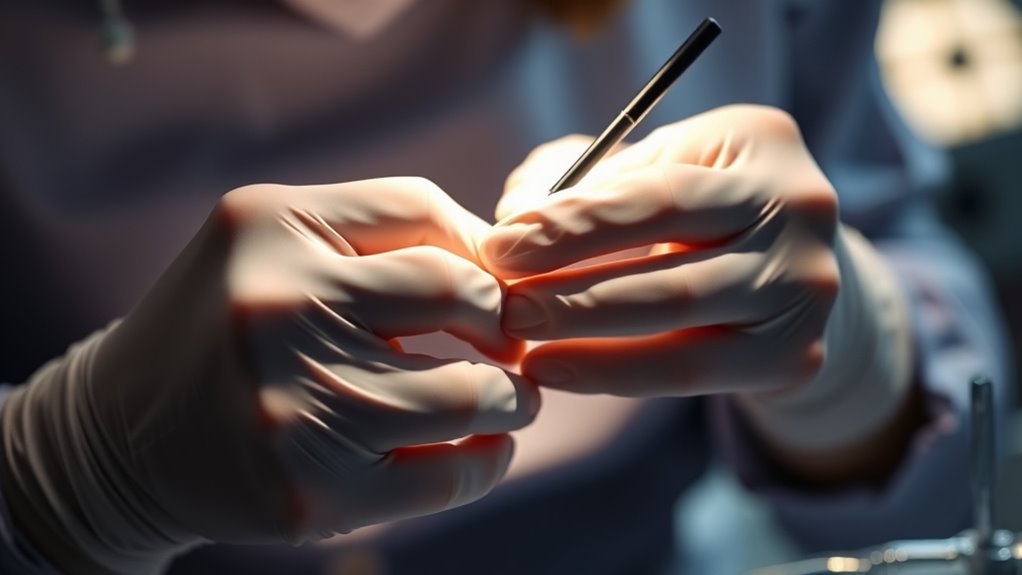
Restoring the vaginal microbiome can effectively address a range of conditions that undermine women’s reproductive health. Enhanced microbiome diversity helps combat infections and supports natural defenses. Here are three key conditions that vaginal microbiome restoration can target:
- Bacterial Vaginosis (BV): It’s characterized by reduced microbial diversity and resistant bacteria. Restoring healthy microbes can rebalance the vaginal environment. Home improvement strategies such as maintaining proper hygiene and avoiding irritants can support microbiome health. Additionally, microbial diversity is crucial for resisting pathogenic overgrowth and maintaining a healthy vaginal ecosystem.
- Recurrent Yeast Infections: A resilient, diverse microbiome can prevent overgrowth of resistant fungi, decreasing recurrence.
- Vaginal Discomfort and Irritation: Improving microbial resistance and diversity alleviates inflammation and restores comfort. Environmental considerations also play a role in maintaining a healthy vaginal microbiome.
Risks, Challenges, and Ethical Considerations
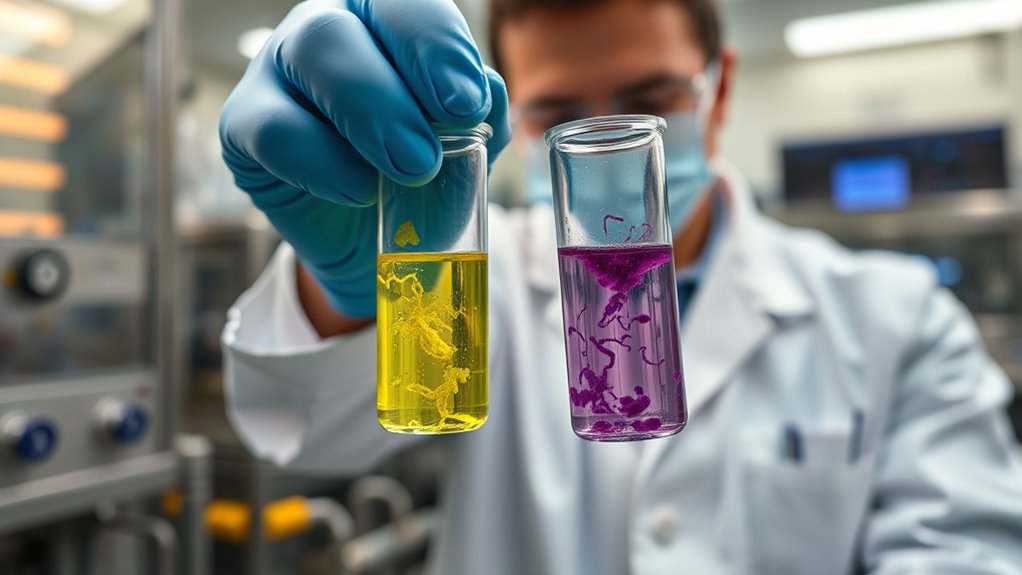
While microbiome transplants hold promise for treating reproductive health issues, they also present several risks and challenges that need careful consideration. Ethical dilemmas arise around donor selection, consent, and potential long-term effects that aren’t fully understood. You might face questions about who should oversee these procedures and how to ensure patient safety. Regulatory challenges add another layer of complexity, as many jurisdictions lack clear guidelines for microbiome transplant procedures. Without proper oversight, there’s a risk of contamination, transmission of infections, or unintended consequences. Additionally, addressing regulatory hurdles is essential to establish standardized protocols and ensure safe practices. It is also crucial to recognize the importance of cybersecurity in protecting sensitive patient data involved in microbiome transplantation. As you explore these therapies, it’s essential to weigh the potential benefits against these risks, advocate for rigorous safety standards, and consider the ethical implications of altering the microbiome in vulnerable populations. Understanding ethical hacking principles can help develop secure systems to safeguard sensitive health information involved in these procedures.
Future Directions and Research in Microbiome Transplantation
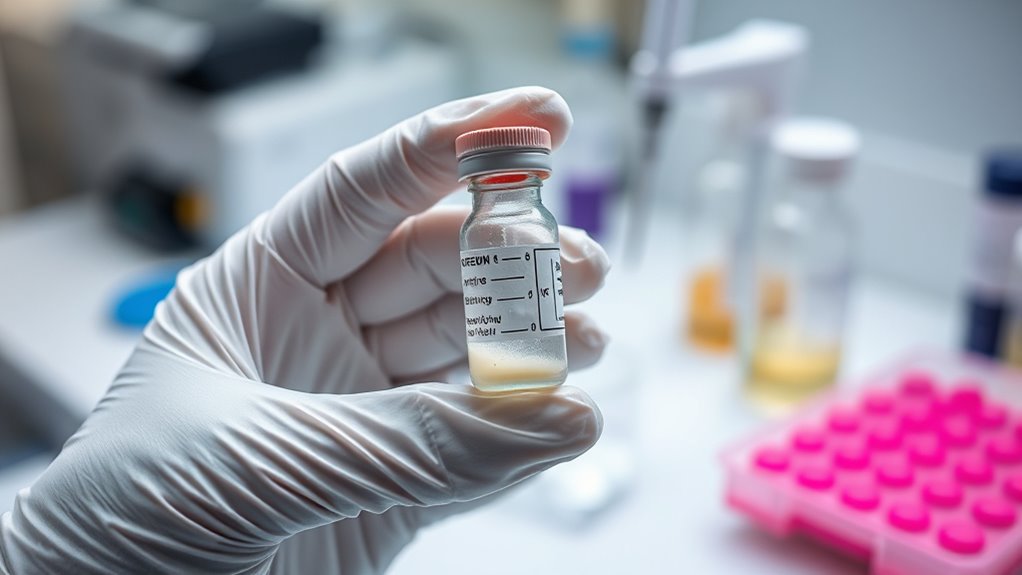
Advances in microbiome research are paving the way for innovative therapies and more precise transplantation techniques. Researchers are exploring synthetic microbiomes to create targeted, consistent microbial communities tailored to individual needs. This approach could revolutionize treatment by reducing risks associated with donor variability. You’ll see a shift toward personalized therapies that consider your unique microbiome profile, enhancing effectiveness and safety. Future research aims to refine delivery methods and better understand microbiome-host interactions. Here are three key developments to watch:
Microbiome research advances enable personalized, targeted therapies for safer, more effective treatments.
- Development of synthetic microbiomes for specific health conditions
- Customized, personalized microbiome transplants based on individual genetics and microbiota
- Integration of advanced sequencing and AI to optimize therapy accuracy
These advancements promise a future where microbiome transplantation becomes safer, more effective, and tailored just for you.
Frequently Asked Questions
How Do Microbiome Transplants Differ Between Individuals?
You might wonder how microbiome transplants differ between individuals. It depends on personalized matching, where your medical history and microbiome composition guide the process. Donor screening guarantees safety and compatibility, reducing risks. Each person’s microbiome is unique, so transplants are tailored to restore balance effectively. This personalized approach helps optimize outcomes, making each transplant specific to your body’s needs and differences in microbiome diversity.
Are There Any Long-Term Effects of Microbiome Transplants?
You’re wondering if microbiome transplants have long-term effects. While research is ongoing, you should know they can impact microbiome stability, which in turn influences long-term health effects. Some studies suggest benefits like improved gut health, but there are also potential risks, such as unintended microbiome shifts. It is crucial to stay informed and consult healthcare professionals to understand how these transplants might affect your health over time.
What Are the Costs Associated With Microbiome Transplant Procedures?
Think of the cost of microbiome transplants as planting a seed for future health. You’ll want to do a thorough cost analysis, considering procedure fees and follow-up care. Insurance coverage varies—some plans might see this as experimental, leaving you to cover the bill. While the upfront cost may seem steep, investing in your microbiome could pay dividends in long-term wellness and balance.
Can Microbiome Transplants Be Used for Autoimmune Diseases?
You might wonder if microbiome transplants can help with autoimmune diseases. While research is still emerging, they show promise in autoimmune modulation by restoring microbiome balance. These procedures could potentially reduce inflammation and improve symptoms. However, it’s essential to consult healthcare providers, as more studies are needed to confirm effectiveness and safety. So, microbiome transplants are a hopeful area in managing autoimmune conditions, but they’re not yet standard treatment.
How Do Regulatory Agencies Oversee Microbiome Transplant Safety?
Regulatory agencies oversee microbiome transplant safety by establishing strict safety protocols and requiring regulatory approval before clinical use. You’ll find they evaluate donor screening, manufacturing processes, and product quality to prevent risks. Agencies like the FDA monitor ongoing safety, ensuring that treatments meet standards. This oversight helps protect patients from potential infections or adverse effects, making sure microbiome transplants are safe and effective before they reach wider clinical practice.
Conclusion
By embracing the evolving world of microbiome transplants, you access a realm of restorative possibilities. With careful caution and committed curiosity, you can contribute to combating conditions, cultivating confidence, and championing change. While challenges remain, your awareness and advocacy can advance understanding, address ethical dilemmas, and inspire innovation. Together, through thoughtful treatment and ongoing research, you can help harness the healing power of the microbiome, making a meaningful difference in health and hope.
Fall Picks
fall essentials
As an affiliate, we earn on qualifying purchases.