

Senolytics show promise for slowing aging by targeting and removing harmful senescent cells that build up over time. These cells cause tissue decline, inflammation, and disrupt cell communication, accelerating aging. By clearing them, senolytics can improve tissue health, boost immune response, and promote better cell signaling. If you want to understand how this breakthrough could impact your health and longevity, there’s much more to uncover ahead.
Key Takeaways
- Senolytics selectively eliminate senescent cells, reducing harmful secretions that contribute to tissue aging and decline.
- Removing senescent cells restores healthier cell signaling, promoting tissue regeneration and improved organ function.
- Clearing senescent cells decreases inflammation, lowering the risk of age-related diseases and enhancing overall healthspan.
- Senolytics boost immune system efficiency, aiding in the removal of damaged or dysfunctional cells.
- Early research indicates senolytics have the potential to delay aging processes and improve resilience to environmental stressors.

As we age, our bodies accumulate senescent cells—damaged cells that no longer divide but release harmful signals, fueling inflammation and tissue decline. These cells secrete a variety of bioactive molecules that disrupt normal cell signaling, which can impair tissue function and accelerate aging. The accumulation of senescent cells not only hampers regeneration but also creates a pro-inflammatory environment that damages neighboring healthy cells. This process highlights the significance of immune modulation, as your immune system’s ability to clear out these dysfunctional cells diminishes with age, allowing them to build up over time.
Senolytics offer a promising approach to tackling this issue by selectively targeting and eliminating senescent cells. When you use senolytic compounds, you’re fundamentally helping your body restore healthier cell signaling pathways, reducing the disruptive signals that promote inflammation. By clearing out these cells, you can potentially improve tissue function and slow down the aging process. The removal of senescent cells also reinvigorates the immune system’s ability to respond effectively, enhancing immune modulation. This means your immune cells can better identify and dispose of damaged cells, maintaining a healthier tissue environment.
The process of cell signaling is essential in regulating many physiological functions, from wound healing to immune responses. Senescent cells secrete factors that interfere with these signals, leading to chronic inflammation and tissue deterioration. Senolytics work by reducing this harmful secretory activity, which in turn helps restore normal cell communication and function. As a result, tissues can regenerate more efficiently, and the risk of age-related diseases decreases. This rejuvenating effect is partly due to the improved immune modulation—your immune system becomes more adept at recognizing and removing senescent cells, creating a positive feedback loop that supports overall health.
While research is still ongoing, early studies indicate that senolytic therapies could extend healthspan by maintaining cellular and tissue health. By targeting the root cause—accumulated senescent cells—you’re addressing a fundamental aspect of aging. The ability to modulate immune responses and improve cell signaling pathways means not only fewer age-related diseases but also better resilience against environmental stressors. As these therapies develop, they hold the promise of helping you age more gracefully, with fewer limitations and more vitality, all by harnessing the power of precise cell targeting and immune modulation.
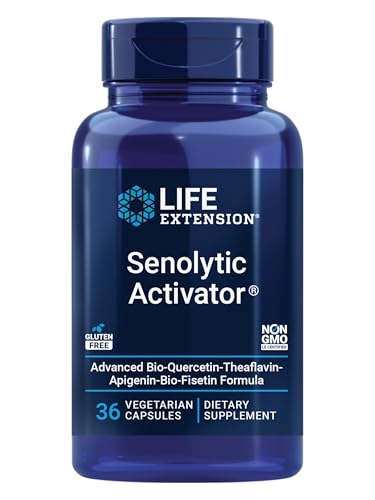
Life Extension Senolytic Activator®*, Healthy Aging, Cellular Health Support, bioavailable quercetin and Fisetin, apigenin, Black Tea theaflavins, Gluten Free, Non-GMO, Vegetarian, 36 Capsules
Healthy aging – Senolytic Activator* is designed to promote healthy aging: it combines four nutrients that all target different…
As an affiliate, we earn on qualifying purchases.
As an affiliate, we earn on qualifying purchases.
Frequently Asked Questions
Are Senolytics Safe for Long-Term Human Use?
Senolytics’ long-term safety isn’t fully confirmed yet, so you should be cautious. Researchers are still studying their side effect profile over extended periods, and potential risks may emerge with prolonged use. It’s essential to consult with your healthcare provider before considering senolytics for long-term use. While promising, they currently require more research to ensure safety, especially regarding possible side effects during extended treatment.
How Soon Might Senolytics Become Widely Available?
Senolytics could become widely available within the next 5 to 10 years, pending successful clinical trials and regulatory approval. You’ll likely see these treatments entering the market once scientists demonstrate their safety and efficacy. Keep an eye on ongoing research, as progress in clinical trials accelerates. However, widespread access depends on regulatory agencies approving these therapies, so timelines may shift based on trial results and safety assessments.
Do Senolytics Target All Types of Senescent Cells?
Imagine you’re in a sci-fi movie, but senolytics don’t target all cell types equally. They have cell type specificity, meaning some senolytics are more selective, focusing on particular senescent cells while sparing others. This senolytic selectivity varies among drugs, enabling targeted clearance of harmful cells without damaging healthy tissue. So, no, they don’t target all senescent cells, but ongoing research aims to improve their precision for better aging interventions.
Can Senolytics Reverse Existing Age-Related Damage?
Yes, senolytics can help reverse some age-related damage by promoting cell removal and encouraging tissue regeneration. When they target and eliminate senescent cells, your body can replace them with healthier cells, improving tissue function. While they don’t fully undo all damage, this process can enhance overall tissue health, potentially reversing some effects of aging and restoring better cellular performance.
Are There Lifestyle Choices That Mimic Senolytic Effects?
Think of your body as a garden; certain choices act like natural gardeners, clearing out dead plants. Dietary interventions rich in antioxidants, like colorful fruits and vegetables, help eliminate senescent cells. Physical activity is like watering and pruning, encouraging healthy growth and removing damaged cells. These lifestyle choices can mimic senolytic effects, promoting longevity and robustness by supporting your body’s own clean-up crew.
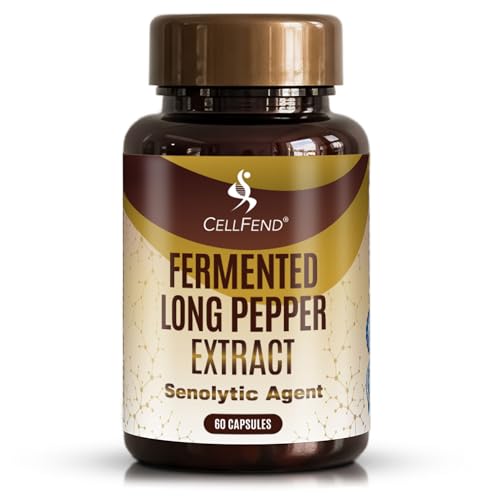
CellFend Senolytic Supplement, Piperlongumin Aging Supplement – Supports Optimal Cell Repair & Rejuvenation, Naturally Eliminate Zombie Cells, 1 Month Supply
PIPERLONGUMINE: Piperlongumine (also called Piplartine or Piperlongumin) is an amide alkaloid constituent of the fruit of the long…
As an affiliate, we earn on qualifying purchases.
As an affiliate, we earn on qualifying purchases.
Conclusion
Imagine senolytics as your body’s cleanup crew, sweeping away the clutter of aging cells to reveal a fresher, more vibrant you. By clearing out these cellular cobwebs, you can slow down the wear and tear of time, much like pruning a garden to help it flourish. Embracing senolytics offers a promising path to staying youthful longer, turning back the clock little by little. The future of aging might just be a gentle spring cleaning for your cells.
senolytic therapy products
As an affiliate, we earn on qualifying purchases.
As an affiliate, we earn on qualifying purchases.

Senolytic Anti-Aging Supplement | Fisetin, Quercetin,NAC, Gamma Tocotrienols | 8-in-1 Cellular Regeneration & Longevity Formula | Boost Energy, Mental Clarity & Healthspan | 120 Vegan Capsules
𝗔𝗱𝘃𝗮𝗻𝗰𝗲𝗱 𝟴-𝗶𝗻-𝟭 𝗦𝗲𝗻𝗼𝗹𝘆𝘁𝗶𝗰 𝗖𝗼𝗺𝗽𝗹𝗲𝘅 𝗳𝗼𝗿 𝗖𝗲𝗹𝗹𝘂𝗹𝗮𝗿 𝗥𝗲𝗻𝗲𝘄𝗮𝗹: Unleash the power of Fisetin, Quercetin, N-Acetyl-Cysteine (NAC), Gamma Tocotrienols, Green…
As an affiliate, we earn on qualifying purchases.
As an affiliate, we earn on qualifying purchases.