
Prostatitis comes in two main types: bacterial prostatitis and chronic pelvic pain syndrome (CPPS). Bacterial prostatitis is caused by infections, leading to symptoms like fever, urinary discomfort, and prostate tenderness. CPPS, on the other hand, involves pelvic pain and urinary symptoms without infection or bacteria. Understanding these differences helps in choosing the right treatment. If you keep exploring, you’ll discover detailed ways to manage and prevent each type effectively.
Key Takeaways
- Bacterial prostatitis involves infection with bacteria, confirmed by bacteria in urine or prostate fluid; CPPS shows no bacteria.
- Symptoms overlap, including pelvic pain and urinary discomfort, but bacterial prostatitis often presents with systemic signs like fever.
- Diagnosis of bacterial prostatitis relies on urinalysis and prostate fluid tests; CPPS diagnosis is primarily based on symptom exclusion.
- Bacterial prostatitis requires antibiotics, while CPPS management focuses on pain relief, physical therapy, and lifestyle changes.
- Bacterial prostatitis is caused by bacterial invasion; CPPS is linked to inflammation, hormonal factors, and personal triggers like stress.
prostate massager for prostatitis relief
As an affiliate, we earn on qualifying purchases.
As an affiliate, we earn on qualifying purchases.
Understanding Bacterial Prostatitis
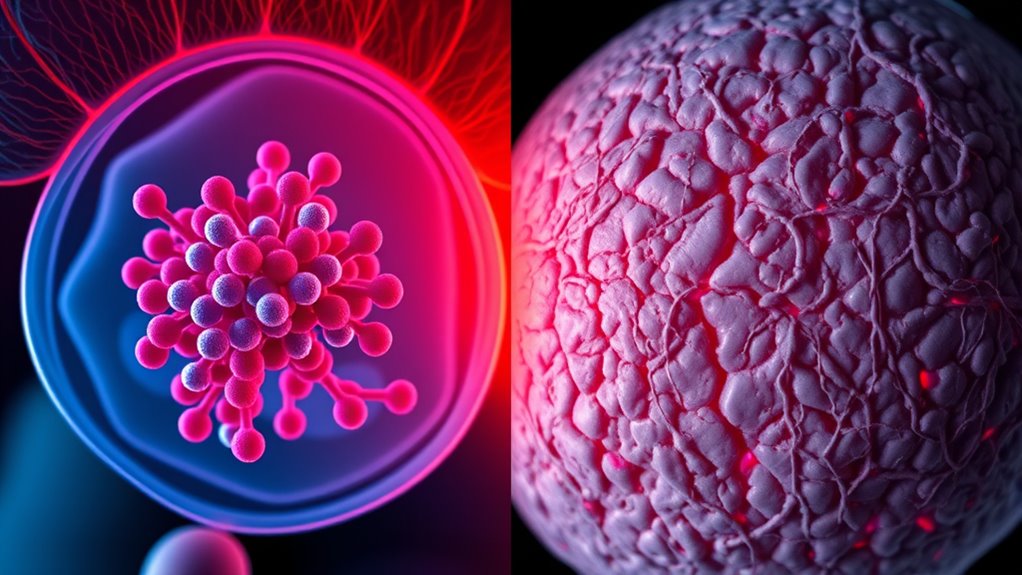
Bacterial prostatitis occurs when bacteria infect the prostate gland, leading to inflammation and discomfort. This infection often starts in the urinary tract, as bacteria travel from the urethra or bladder to reach the prostate. To understand this condition, it helps to know the prostate anatomy. The prostate is a small gland located below the bladder and surrounds the urethra, making it accessible from the urinary tract. When bacteria invade this area, your immune system responds, causing swelling, pain, and urinary symptoms. Bacterial prostatitis can develop suddenly, with noticeable symptoms, or become chronic. Recognizing how bacteria reach the prostate through the urinary tract clarifies why urinary symptoms like frequent urination or burning feel common in this condition. Additionally, understanding the spread of bacteria within the urinary system can help in diagnosing and treating the infection effectively. The pathways of bacterial invasion are crucial for understanding how infections progress and how to prevent recurrent episodes.
As an affiliate, we earn on qualifying purchases.
Exploring Chronic Pelvic Pain Syndrome (CPPS)
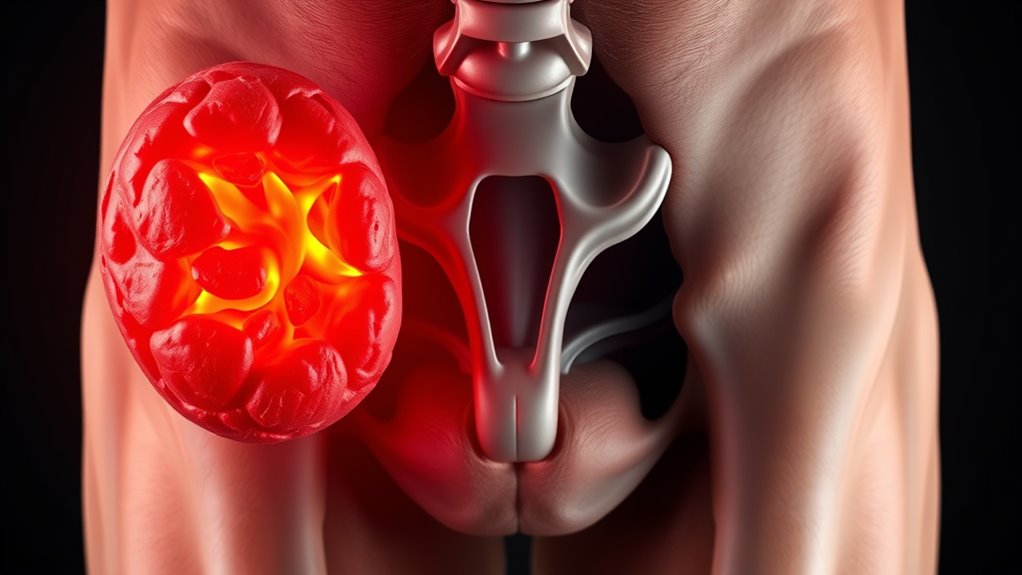
Chronic Pelvic Pain Syndrome can be confusing because its symptoms often mimic other conditions, making diagnosis tricky. You’ll want to understand what causes triggers and how doctors identify it accurately. Treatment options vary, so knowing your choices is key to managing this persistent condition. Recognizing the importance of fatherly support can also provide emotional comfort during this challenging time.
Symptoms and Diagnosis
Understanding the symptoms of Chronic Pelvic Pain Syndrome (CPPS) can be challenging because they often overlap with other conditions, making diagnosis complex. You might experience urinary discomfort, pelvic pain, or pressure without clear signs of infection. Hormonal imbalance may also influence symptoms, adding to the confusion. To diagnose CPPS, doctors rely on your medical history, physical exams, and tests like urine analysis or prostate fluid analysis. Keep in mind, no single test confirms CPPS, so your healthcare provider will rule out other issues first. Recognizing patterns and symptoms is key to proper diagnosis. Here’s a quick overview:
| Symptom | Diagnostic Clue |
|---|---|
| Urinary discomfort | Rule out infections or obstructions |
| Pelvic pain | Persistent, unrelated to activity |
| Discomfort during urination | No bacteria present |
| Hormonal imbalance | Contributes to symptom severity |
Additionally, understanding the role of inflammation in CPPS can help differentiate it from other pelvic conditions. Recognizing the influence of hormonal factors can also improve diagnosis accuracy and treatment approaches.
Causes and Triggers
The causes of Chronic Pelvic Pain Syndrome (CPPS) are complex and not fully understood, but researchers believe that a combination of factors can trigger or worsen the condition. Diet triggers, such as spicy foods, caffeine, or alcohol, can irritate your bladder and pelvic muscles, intensifying discomfort. Stress factors also play a significant role; high stress levels can lead to muscle tension and inflammation, aggravating symptoms. You might notice that stressful situations or poor dietary choices make your pelvic pain worse. While there’s no single cause, understanding your personal triggers can help manage the condition. Avoiding certain foods and finding ways to reduce stress may help lessen the frequency and severity of symptoms, improving your overall quality of life. Additionally, some studies suggest that eye patch benefits can be used to alleviate discomfort by reducing inflammation and promoting relaxation in related areas. Exploring stress management techniques such as mindfulness or yoga may also contribute positively to symptom relief. Incorporating holistic approaches, including acupuncture or physical therapy, can further assist in managing chronic pelvic pain more effectively.
Treatment Approaches
Managing Chronic Pelvic Pain Syndrome (CPPS) often requires a multifaceted approach tailored to your specific symptoms and triggers. You might explore alternative therapies like pelvic floor physical therapy, acupuncture, or biofeedback to help ease discomfort. Lifestyle modifications are also vital; reducing stress, avoiding irritants like caffeine or alcohol, and practicing regular exercise can improve your symptoms. Some find relief through dietary changes, such as anti-inflammatory diets or supplements. It’s essential to work closely with your healthcare provider to develop a personalized plan that combines these strategies effectively. Remember, managing CPPS often involves trial and error, but with patience and a holistic approach, you can find methods that help alleviate your pain and improve your quality of life. Incorporating managing camper toilets and other maintenance practices into your routine can also reduce stress and prevent additional discomfort. Additionally, understanding the role of omega-3 fatty acids and their anti-inflammatory properties may benefit some patients by supporting overall pelvic health. Being aware of potential small mistakes in managing your condition can enhance your treatment outcomes and prevent setbacks.
urinary health supplements for men
As an affiliate, we earn on qualifying purchases.
As an affiliate, we earn on qualifying purchases.
Causes and Risk Factors of Each Type
Understanding the causes and risk factors of prostatitis helps you recognize what might lead to the condition. Bacterial infections from urinary tract issues or other sources often trigger bacterial prostatitis. Additionally, chronic pelvic triggers, like stress or pelvic injuries, can contribute to non-bacterial forms.
Bacterial Infection Sources
Bacterial infections that cause prostatitis often originate from urinary tract infections, sexually transmitted infections, or bacteria that travel from nearby tissues. You’re at risk if you have a history of urinary tract issues, as these can serve as bacterial reservoirs that lead to prostate infection. Sexually transmitted infections, like chlamydia or gonorrhea, can also introduce bacteria directly to the prostate. Bacteria from neighboring tissues, such as the rectum or bladder, may spread through the bloodstream or local extension. Factors like poor hygiene, unprotected sex, or urinary retention increase your chances of bacterial migration. Additionally, immune system health plays a crucial role in preventing bacterial colonization and infection. Flat Iron Bike technology and concepts related to efficiency and energy conversion are also relevant when considering how bacteria might spread or be mitigated through innovative health solutions. Understanding these sources helps you identify potential risks and take preventive steps to reduce the likelihood of bacterial prostatitis. Maintaining good hygiene practices can significantly lower your risk of bacterial infections.
Chronic Pelvic Triggers
Chronic pelvic triggers can develop from a variety of causes that lead to ongoing discomfort and inflammation in the pelvic area. Stress management plays a vital role, as high stress levels can worsen muscle tension and pain. You might also find that diet modification helps reduce symptoms; avoiding spicy foods, caffeine, or alcohol can lessen pelvic irritation. Poor posture, repetitive strain, and pelvic muscle tightness are common physical triggers. These factors can create a cycle of pain and tension, making symptoms worse. Addressing stress through relaxation techniques and adjusting your diet can help break this cycle. Recognizing these triggers is essential for managing chronic pelvic pain effectively and improving your overall quality of life. Additionally, bank hours and other service schedules can influence access to healthcare facilities, emphasizing the importance of planning appointments accordingly. Understanding pelvic muscle tension and its role in pain can further aid in developing effective management strategies. Moreover, being aware of muscle tension patterns can help in identifying specific physical contributors to pelvic discomfort.
As an affiliate, we earn on qualifying purchases.
Symptoms and Signs to Watch For
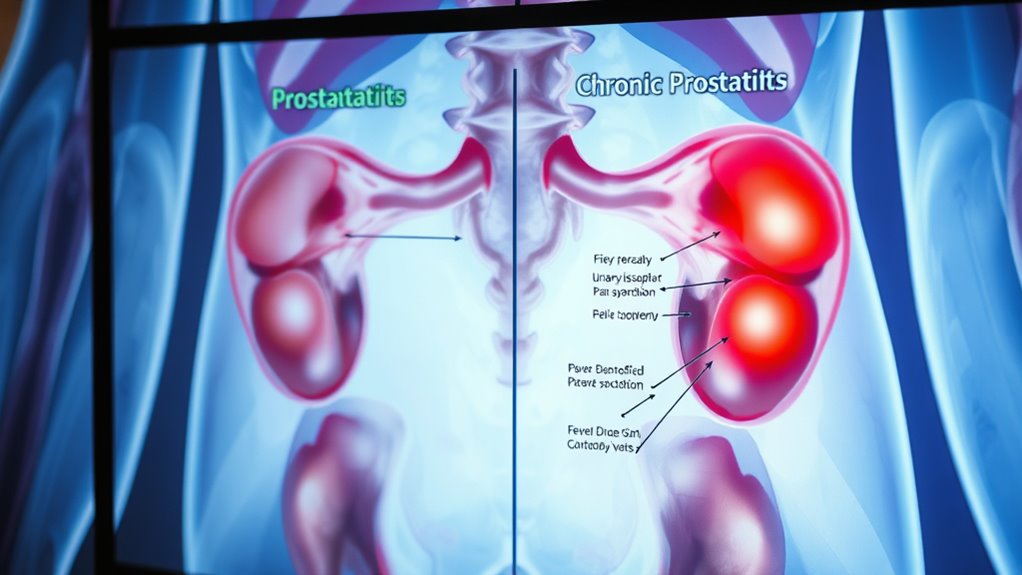
Prostatitis often presents with a range of symptoms that can vary depending on the type. You might notice urinary discomfort, such as a burning sensation during urination or a frequent urge to go. Pain in the pelvic area, lower back, or groin is common, along with discomfort during ejaculation. Sexual dysfunction, including reduced libido or difficulty achieving an erection, may also occur. Some men experience cloudy or bloody urine, indicating inflammation or infection. These signs can develop gradually or come on suddenly, affecting your daily activities. Recognizing these symptoms early helps in seeking appropriate treatment. Keep in mind that the severity and combination of symptoms depend on whether it’s bacterial prostatitis or chronic pelvic pain syndrome. Understanding symptoms can aid in timely diagnosis and management. Additionally, being aware of types of prostatitis and their specific features can help tailor effective treatment strategies, especially considering the different symptom presentations associated with each type.
Diagnostic Approaches and Tests
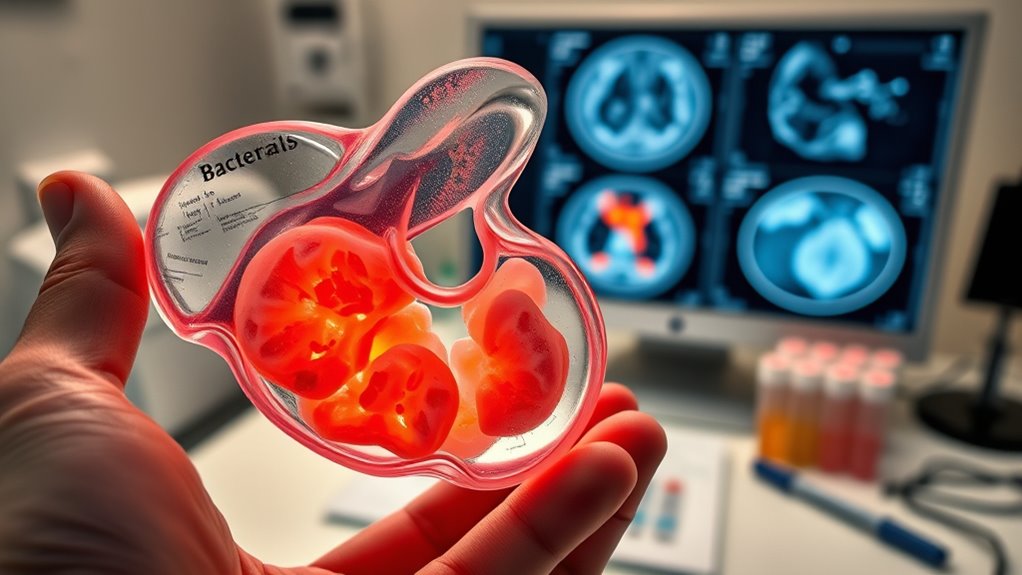
To accurately diagnose prostatitis, healthcare providers utilize a combination of clinical evaluations and specific tests. Urinalysis testing helps detect signs of infection or inflammation in your urine, providing clues about bacterial prostatitis. A digital rectal exam allows you to feel for swelling or tenderness in the prostate. In some cases, a prostate biopsy is needed to rule out other conditions like cancer. Here’s a quick comparison:
| Test | Purpose |
|---|---|
| Urinalysis testing | Detect infection or inflammation |
| Digital rectal exam | Assess prostate size and tenderness |
| Prostate biopsy | Confirm diagnosis, rule out other issues |
These tests work together to give your doctor a clear picture of your prostate health.
Treatment Strategies and Options
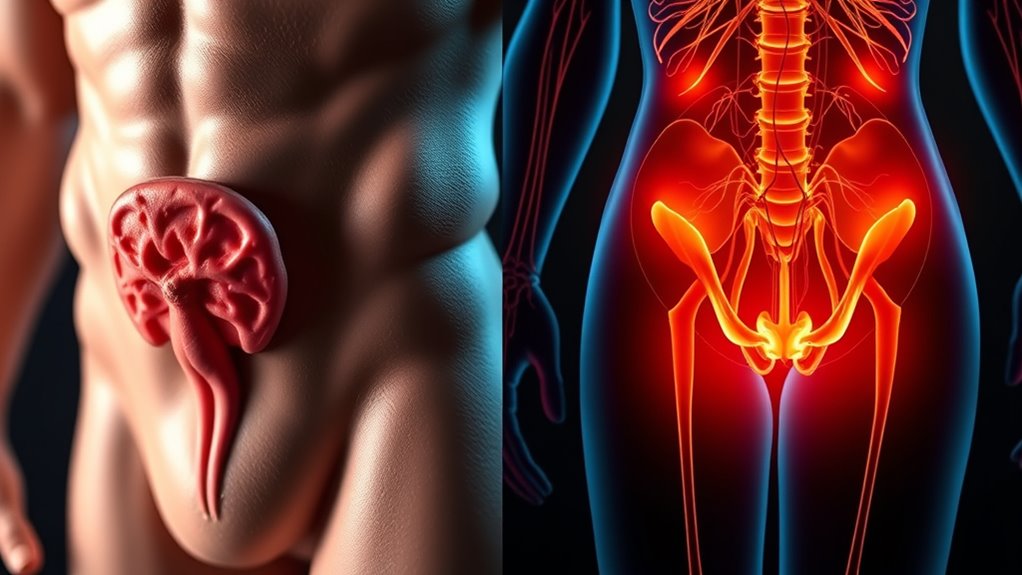
Once your healthcare provider has identified the type of prostatitis you have, they can recommend appropriate treatment options. For bacterial prostatitis, antibiotic therapy is usually the primary treatment, often involving a course of antibiotics to eliminate the infection. In cases of chronic pelvic pain syndrome, antibiotics may not be effective, so other approaches like pain management, physical therapy, or alpha-blockers might be suggested. Alongside medication, lifestyle modifications can help reduce symptoms and improve overall comfort. These may include avoiding irritants like caffeine, alcohol, and spicy foods, staying well-hydrated, and practicing stress reduction techniques. Following your healthcare provider’s guidance and making these adjustments can help manage your condition better and support your recovery process.
Managing and Preventing Prostatitis
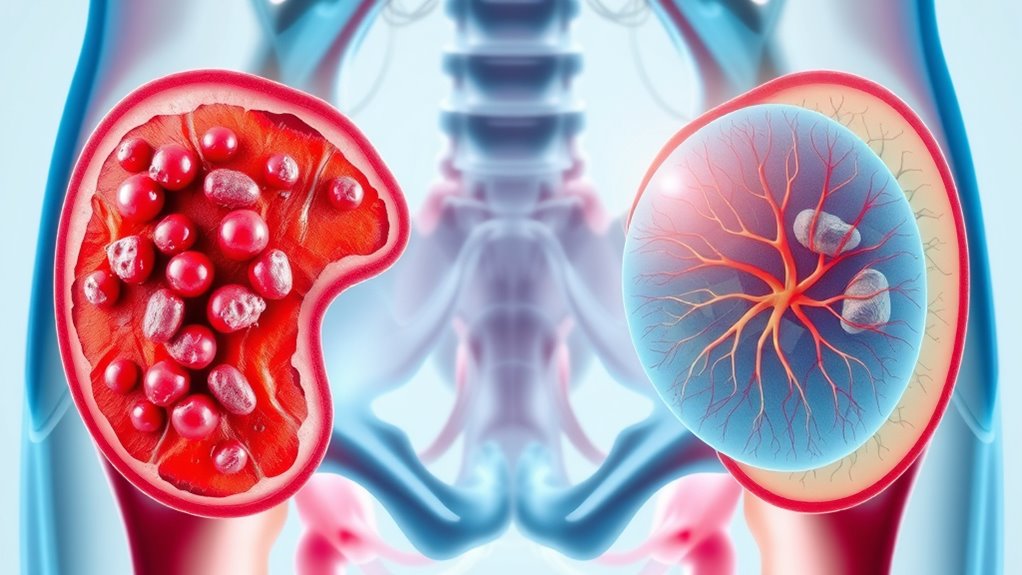
Managing and preventing prostatitis involves adopting lifestyle habits that support prostate health and reduce the risk of flare-ups. Diet modifications play a pivotal role; eating plenty of fruits, vegetables, and whole grains can reduce inflammation and boost immunity. Limiting processed foods, caffeine, and alcohol may prevent irritation. Herbal supplements like saw palmetto, quercetin, or pollen extracts can also help manage symptoms and promote prostate wellness. Regular exercise improves circulation and reduces stress, which can trigger flare-ups. Staying well-hydrated flushes out bacteria and toxins. Avoid prolonged sitting and practice stress-reducing techniques. By making these changes and incorporating herbal supplements, you can better manage prostatitis symptoms and support long-term prostate health.
Frequently Asked Questions
Can Prostatitis Recur After Treatment?
You might wonder if prostatitis can recur after treatment. While treatment effectiveness varies, recurrence is possible, especially if underlying causes aren’t fully addressed. To prevent recurrence, follow your doctor’s advice on medication and lifestyle changes. Regular check-ups can help catch issues early. Maintaining a healthy diet, staying hydrated, and avoiding irritants also support recurrence prevention. If symptoms return, consult your healthcare provider promptly for ongoing management.
Are Certain Age Groups More Prone to Prostatitis?
You might be more prone to prostatitis if you’re in certain age groups, especially men aged 30 to 50. Age-related risk factors include hormonal influence, which can affect prostate health. As you get older, changes in hormone levels and immune function may make you more susceptible. Staying aware of these factors helps you take proactive steps to maintain prostate health and seek prompt treatment if symptoms appear.
How Does Prostatitis Affect Long-Term Sexual Health?
Prostatitis can impact your long-term sexual health by causing sexual dysfunction and fertility issues. You might experience difficulty achieving or maintaining an erection, reduced libido, or pain during ejaculation. These symptoms can persist even after treatment, affecting your confidence and intimate relationships. It’s essential to address prostatitis early to minimize its long-term effects on your sexual health and preserve your fertility, ensuring a better quality of life.
Is Prostatitis Linked to Prostate Cancer Risk?
Did you know that prostate cancer is the second most common cancer among men worldwide? While prostatitis isn’t directly linked to increased prostate cancer risk, chronic inflammation might play a role as a risk factor. However, current research hasn’t confirmed a definitive connection. It’s crucial to focus on known risk factors like age, family history, and lifestyle to stay proactive about your prostate health.
Are There Natural or Herbal Remedies for Prostatitis?
You might wonder if herbal supplements or natural remedies can help with prostatitis. While some herbal supplements, like saw palmetto or quercetin, are popular for easing symptoms, their effectiveness varies. Natural remedies such as pumpkin seed oil or herbal teas may provide relief, but it’s important to talk to your doctor before trying any. Remember, a all-encompassing approach often yields the best results for managing prostatitis symptoms naturally.
Conclusion
Understanding the differences between bacterial prostatitis and CPPS helps you take control of your health. Think of it like tending a garden—you need to identify the specific weeds or pests to remove them effectively. With proper diagnosis and treatment, many men find relief and regain their comfort. Don’t ignore symptoms; early action is like pulling weeds before they overrun your garden. Stay proactive, and you’ll nurture a healthier, more comfortable future.