
Your mental health greatly influences how you see your own beauty. When you’re struggling with anxiety or depression, you may focus more on flaws and feel less confident. Society’s narrow standards can worsen these feelings, reinforcing negative self-image. Improving your mental well-being helps you develop a kinder, more realistic view of yourself, boosting self-esteem. If you’d like to explore how mental health shapes your perception of beauty and ways to improve it, keep exploring this important connection.

Get health and wellness essentials delivered free — and shop member deals
- Fast, free delivery on millions of items
- Access to Prime Big Deal Days deals on October 6–7
- Prime Video, Amazon Music and more included
Key Takeaways
- Mental health struggles can distort self-perception, making individuals focus on perceived flaws and decreasing self-esteem.
- Negative thought patterns linked to poor mental health reinforce feelings of inadequacy and influence beauty perception negatively.
- Society’s unrealistic beauty standards are internalized more deeply by those with mental health issues, heightening self-doubt.
- Improving mental health fosters a more realistic, positive self-view, reducing harmful comparisons and broadening definitions of beauty.
- Strong mental well-being empowers individuals to embrace authentic beauty and develop healthier, more inclusive self-appreciation.
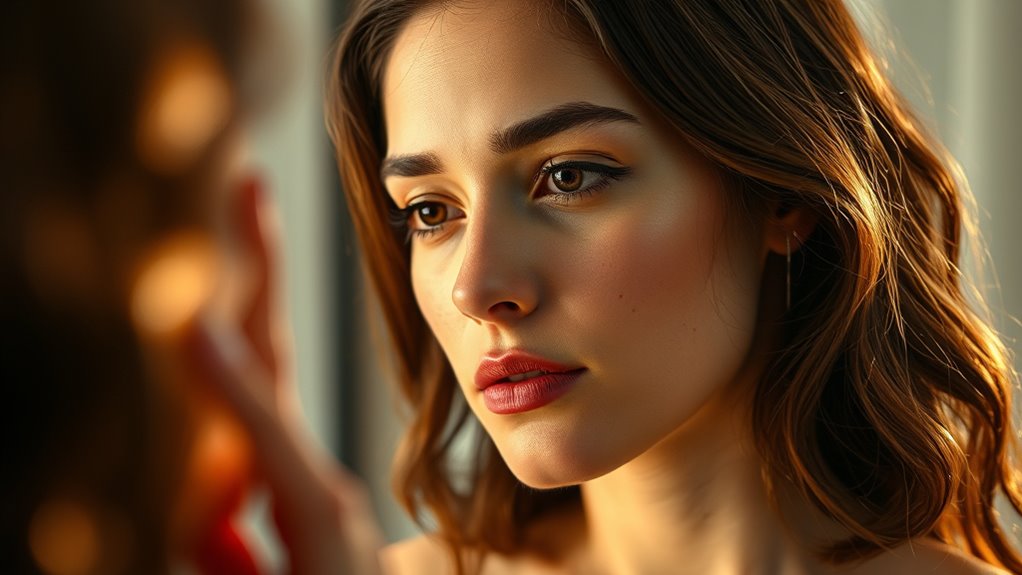
Have you ever wondered how your mental health influences the way you perceive beauty? It’s more connected than you might think. When your mental health suffers, it can shape how you see yourself and, consequently, how you view beauty standards around you. Many people struggle with self-esteem issues that stem from internal battles like anxiety, depression, or past experiences. These struggles often distort your perception, making you more critical of yourself and less likely to recognize your worth. Society’s standards of beauty only add fuel to the fire, creating a narrow definition that feels impossible to meet. When you’re battling low self-esteem, it’s easy to internalize these societal ideals and believe that you’re somehow lacking if you don’t fit the mold. This creates a vicious cycle: feeling inadequate leads to worse mental health, which then influences your perception of beauty even more negatively.
Your mental health influences your confidence levels, which directly impacts how you see yourself in the mirror. When you’re feeling anxious or depressed, you might focus on perceived flaws or imperfections that others might not even notice. These negative thoughts become magnified, making it harder to see your true beauty. This isn’t just about vanity; it’s about how you value yourself. If you’re struggling with self-esteem issues, it’s common to compare yourself harshly to societal standards that are often unrealistic and heavily curated by media. These standards promote a narrow view of beauty, emphasizing youth, thinness, or certain features, which can make you feel like you’re falling short. That feeling of inadequacy then feeds into your mental health struggles, making it tougher to break free from negative thought patterns. Recognizing that mental health impacts perception can be a powerful step toward fostering a healthier self-image.
On the flip side, improving your mental health can change how you perceive beauty. When you start working on your self-esteem, you’re more likely to see yourself in a kinder light and recognize your unique qualities. Challenging societal standards and recognizing that they’re often superficial can also help. Remember, beauty isn’t a one-size-fits-all concept; it’s diverse and subjective. When your mental health improves, you gain clarity and confidence, making it easier to appreciate your own beauty without constantly comparing yourself to others or feeling inadequate. Understanding this connection is empowering because it reminds you that nurturing your mental well-being isn’t just about feeling better—it’s about seeing yourself clearly and embracing your authentic beauty on your own terms.
As an affiliate, we earn on qualifying purchases.
Frequently Asked Questions
How Does Self-Esteem Influence Beauty Standards?
Your self-esteem directly shapes your perception of beauty standards. When you have a strong sense of self-worth, you’re more confident, which impacts how you view yourself and others. High confidence can challenge societal ideals, making you less susceptible to unrealistic beauty standards. Conversely, low self-worth perception can lead to insecurity, causing you to compare yourself negatively. Building your confidence impacts your view of beauty, fostering healthier, more authentic standards.
Can Improving Mental Health Change Physical Appearance?
Think of your mind as a garden; tending to it can transform your appearance. Improving mental health can indeed change how you look physically, as self-care routines and emotional resilience reduce stress and promote healthier habits. When you nurture your mental well-being, your skin, posture, and overall aura often reflect that inner harmony, making you appear more vibrant and confident. Your mental state truly has the power to shape your outer beauty.
What Role Do Societal Pressures Play in Mental Health and Beauty?
Societal pressures, shaped by cultural norms and peer influence, heavily impact your mental health and beauty perception. When you feel pressured to meet certain beauty standards, it can lead to self-doubt, anxiety, or low self-esteem. These societal ideals often reinforce unrealistic expectations, making you compare yourself unfavorably to others. Recognizing this influence helps you develop a healthier self-image and resist negative impacts from societal pressures.
How Do Media Portrayals Affect Mental Health Related to Beauty?
Media myths multiply misconceptions, making you believe in impossible ideals. Stereotypes promote unrealistic expectations, which can lead to feelings of inadequacy and lowered self-esteem. When you constantly compare yourself to curated images, your mental health suffers as perfection seems out of reach. Recognizing these distortions helps you resist harmful influences, empowering you to embrace your unique beauty and build a healthier, happier self-image beyond what media portrays.
Are There Specific Mental Health Disorders Linked to Distorted Beauty Perceptions?
You might be dealing with mental health issues like Body Dysmorphia or Eating Disorders if you have a distorted perception of your beauty. These disorders often cause you to obsess over perceived flaws or unhealthy body image standards, which can lead to severe emotional distress. Recognizing these links helps you seek appropriate treatment, ultimately improving your mental well-being and helping you develop a healthier view of your appearance.
As an affiliate, we earn on qualifying purchases.
Conclusion
Understanding the link between mental health and beauty perception reveals how your mindset can transform your view of yourself. When you nurture your mental well-being, you open a radiant confidence that outshines any superficial standard. Remember, your perception of beauty isn’t just a fleeting illusion—it’s a powerful reflection of your inner health. Embrace self-care, challenge negative thoughts, and watch your confidence soar beyond the stars, making you truly unstoppable in your journey to self-love.
relaxation and stress relief aromatherapy set
As an affiliate, we earn on qualifying purchases.
As an affiliate, we earn on qualifying purchases.
As an affiliate, we earn on qualifying purchases.
Fall Picks
fall essentials
As an affiliate, we earn on qualifying purchases.