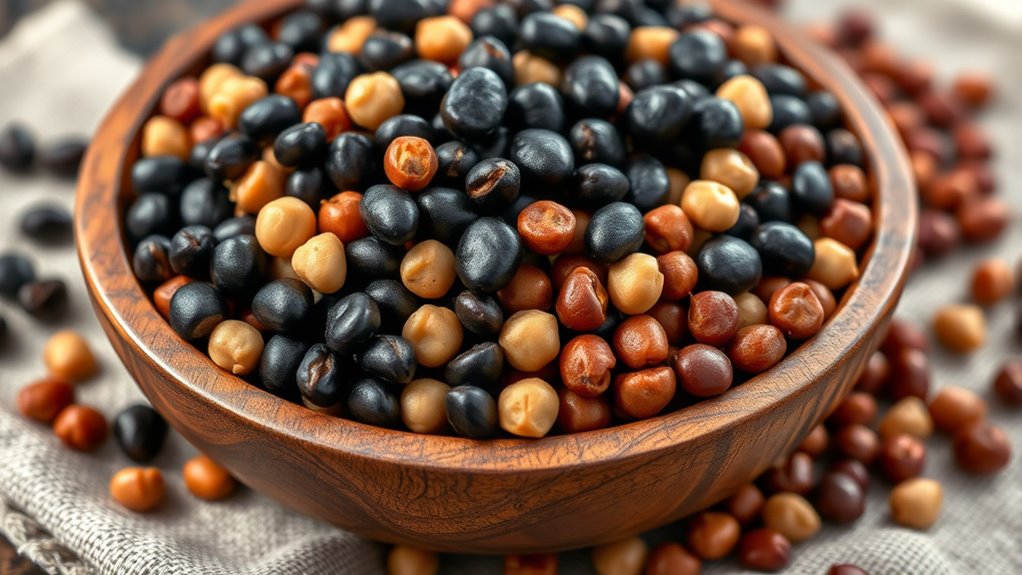

To meet the 2.5-cup weekly recommendation for beans and legumes, you can easily incorporate them into your meals by adding lentils to salads, black beans to wraps, or chickpeas as side dishes. Cooking methods like boiling, pressure cooking, roasting, or blending help keep your meals interesting and nutritious. Proper storage and preparation make it simple to enjoy these versatile foods throughout the week. Keep exploring to discover more tasty ideas and tips.

Get health and wellness essentials delivered free — and shop member deals
- Fast, free delivery on millions of items
- Access to Prime Big Deal Days deals on October 6–7
- Prime Video, Amazon Music and more included
Key Takeaways
- Incorporate various beans like lentils, chickpeas, and black beans into meals such as salads, soups, and wraps.
- Prepare and cook beans using soaking, boiling, or pressure cooking techniques to ensure they’re ready and digestible.
- Use convenient options like pre-cooked or canned beans to effortlessly add to dishes and meet weekly goals.
- Prepare beans in advance and store portions to easily include them throughout the week.
- Experiment with different cooking methods and recipes to keep meals interesting while boosting legume intake.
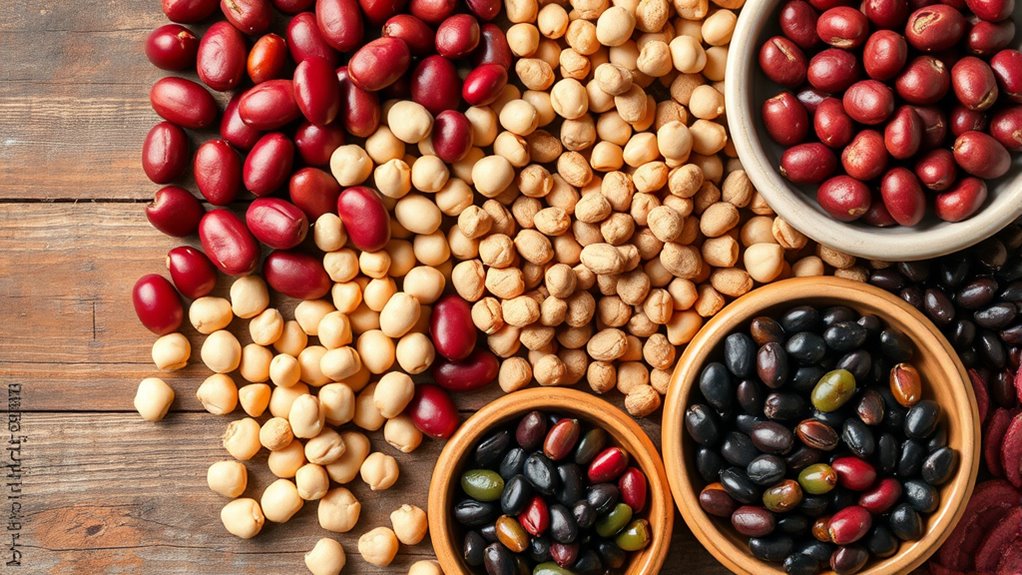
Have you ever wondered why beans and legumes are such popular staples around the world? Their versatility and nutritional punch make them a go-to choice for many households. When it comes to cooking methods, you have plenty of options to prepare beans and legumes in a way that maximizes their flavor and health benefits. You can boil them until tender, which is the most straightforward method, or use pressure cookers to cut down cooking time. Soaking beans before cooking helps reduce cooking time and enhances digestibility, making them easier on your stomach. You might also try roasting them for a crunchy snack or blending cooked legumes into dips and spreads like hummus. The way you prepare beans can influence not just their taste but also how well you absorb their nutrients. Using fresh, high-quality ingredients, such as fresh beans and legumes, can further improve their nutritional value. Speaking of nutritional benefits, beans and legumes pack a powerful punch. They are rich in protein, fiber, vitamins, and minerals, making them an essential part of a balanced diet. Their high fiber content supports digestion and helps regulate blood sugar, which is especially beneficial if you’re managing diabetes or looking to improve gut health. The protein found in legumes makes them an excellent plant-based alternative to meat, particularly for vegetarians and vegans. Additionally, they contain essential nutrients like iron, magnesium, potassium, and B vitamins, which contribute to overall energy levels and heart health. Regularly including beans and legumes in your meals can help lower cholesterol levels and reduce the risk of chronic diseases such as cardiovascular disease. Meeting the recommended 2.5 cups of beans or legumes per week becomes easier once you understand how to incorporate them effectively into your meals. You might add cooked lentils to salads, include black beans in wraps, or serve chickpeas as a side dish. Using different cooking methods can help keep your meals interesting while preserving the nutritional benefits. For example, proper storage of cooked beans can prevent spoilage and preserve their freshness. Preparing them in advance and storing cooked portions can save time during busy weekdays, making it more convenient to meet your weekly goals. Ultimately, understanding the various cooking methods and the nutritional benefits of beans and legumes empowers you to make healthier choices. Whether you’re making a hearty stew, a quick salad, or a snack, these versatile ingredients can help you meet your dietary targets without sacrificing flavor. Incorporating beans and legumes into your weekly routine is a simple yet effective way to boost your intake of essential nutrients and enjoy a variety of delicious, wholesome meals.
As an affiliate, we earn on qualifying purchases.
Frequently Asked Questions
Can I Substitute Beans and Legumes With Other Protein Sources?
Yes, you can substitute beans and legumes with other protein sources like plant-based proteins and meat alternatives. These options provide essential nutrients and help meet your weekly protein goals. Incorporate options like tofu, tempeh, or plant-based meat to diversify your diet. Just make certain you’re balancing your intake to match the nutritional benefits of beans and legumes, keeping your meals both healthy and satisfying.
Are Canned Beans as Nutritious as Dried Ones?
Think of canned beans as a treasure chest ready to open, but dried beans are the seeds waiting to grow. Canned beans are just as nutritious as dried ones, with minimal nutritional differences, thanks to modern processing. However, storage methods matter: canned beans offer convenience and longer shelf life, while dried beans need proper storage but retain nutrients better if cooked correctly. Both can help you meet your weekly bean intake.
How Do I Incorporate Beans Into a Low-Sodium Diet?
To incorporate beans into a low-sodium diet, start with sodium reduction strategies like rinsing canned beans thoroughly to wash away excess salt. Use flavor enhancement techniques such as herbs, spices, lemon juice, or vinegar to boost taste without added salt. Cook dried beans from scratch to control sodium levels, and opt for low-sodium or no-salt-added canned beans whenever possible. These methods help you enjoy beans while maintaining your sodium intake.
What Are the Best Ways to Reduce Gas From Beans?
Think of reducing gas from beans as calming a restless river. You can soak beans overnight using cold water, which helps wash away some gas-causing sugars. Rinsing beans thoroughly before cooking also helps. Additionally, try adding digestive enzymes like Beano to your meals; they break down those troublesome compounds. These methods work together to make beans gentler on your stomach, letting you enjoy their benefits without the bloat.
Are There Any Allergies Associated With Beans and Legumes?
You might be allergic to beans and legumes if you experience allergy symptoms like hives, swelling, or difficulty breathing. Some people have cross reactivity, meaning they react to related foods like peanuts or soy. If you notice these symptoms after eating beans, it’s best to see an allergist for testing. Being aware of potential allergies helps you avoid serious reactions and manage your diet safely.
As an affiliate, we earn on qualifying purchases.
Conclusion
Imagine your plate bursting with vibrant beans and legumes, their rich colors inviting you to savor each bite. As you incorporate these nutrient-packed treasures into your weekly routine, you’re painting a healthier, more vibrant picture of yourself. With every spoonful, you nourish your body and awaken your senses. Embrace the simple joy of meeting that 2.5-cup goal, and let these hearty stars brighten your meals and your well-being.
As an affiliate, we earn on qualifying purchases.
As an affiliate, we earn on qualifying purchases.
Fall Picks
fall essentials
As an affiliate, we earn on qualifying purchases.