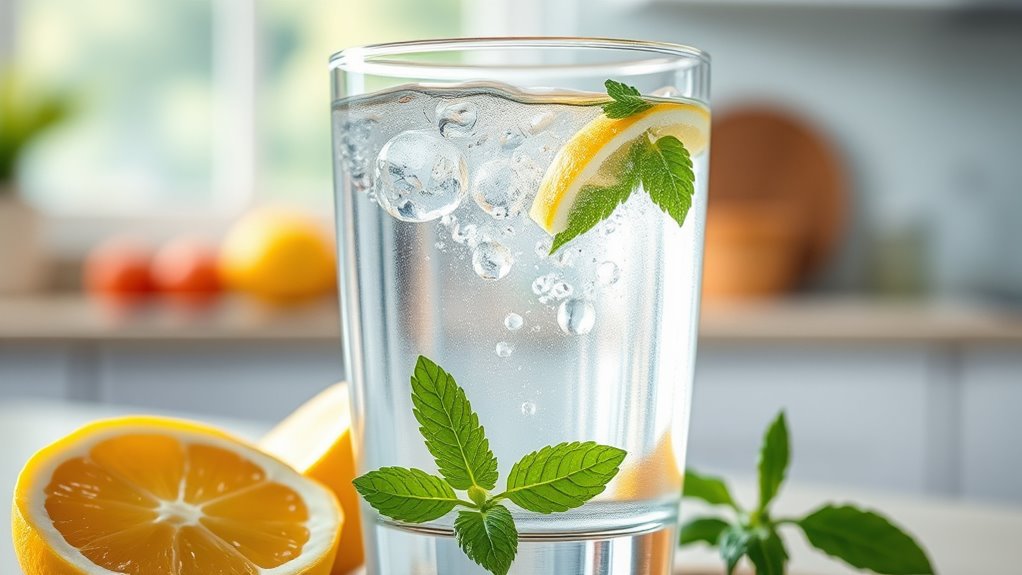

Your daily water needs depend on factors like activity level, climate, age, and gender. Most experts suggest about 8 cups (64 oz) daily, but you may need more if you exercise, it’s hot outside, or you’re in a dry environment. Older adults and women also have specific hydration needs. Recognizing signs of dehydration or overhydration helps you stay balanced. Keep exploring to understand how to tailor your hydration for better health and energy.

Get health and wellness essentials delivered free — and shop member deals
- Fast, free delivery on millions of items
- Access to Prime Big Deal Days deals on October 6–7
- Prime Video, Amazon Music and more included
Key Takeaways
- Most adults need about 8 cups (64 oz) of water daily, but needs vary based on activity, climate, and individual factors.
- Physical activity increases water requirements due to fluid loss through sweat, especially during intense or prolonged exercise.
- Environmental conditions like heat, humidity, and wind elevate dehydration risk, requiring higher water intake.
- Age, gender, and body composition influence hydration needs; older adults and women may need tailored strategies.
- Proper hydration supports bodily functions like digestion, circulation, temperature regulation, and nutrient absorption.
insulated water bottle for hydration
As an affiliate, we earn on qualifying purchases.
As an affiliate, we earn on qualifying purchases.
How Much Water Do Experts Recommend?

While individual hydration needs vary, most health experts recommend drinking about 8 cups (64 ounces) of water daily for general well-being. This amount supports your overall health, including hydration and sports performance. If you’re active or exercise regularly, your water intake should increase to compensate for fluid loss through sweat. Proper hydration enhances endurance, reduces fatigue, and helps prevent cramps. Incorporate more water into your diet by drinking before, during, and after physical activity. Remember, water isn’t just for hydration and sports—it’s essential for digestion, circulation, and temperature regulation. Although 8 cups is a common guideline, listen to your body’s signals and adjust your water intake based on activity level, climate, and personal needs. For a better understanding of hydration, consider the recommended daily water intake guidelines provided by health authorities and stay mindful of individual hydration needs. Staying aware of hydration balance can help optimize your overall health and well-being, especially when considering fluid requirements during different seasons and lifestyles.
As an affiliate, we earn on qualifying purchases.
Factors That Influence Your Daily Water Needs

Your daily water needs can vary based on how active you are and the climate you live in. If you exercise frequently or work outdoors in hot weather, you’ll likely need more fluids to stay hydrated. Understanding these factors helps you tailor your water intake to stay healthy and energized.
Physical Activity Levels
Have you ever wondered how your activity levels impact your hydration needs? When you exercise or stay active, your body loses more water through sweat, increasing your hydration requirements. To stay properly hydrated, you should adjust your water intake accordingly. Consider these factors:
- The intensity and duration of your activity
- Environmental conditions like heat or humidity
- Your individual sweat rate
- The type of exercise you do
- Essential oils such as eucalyptus and peppermint can support respiratory comfort during physical activity, helping you breathe easier and stay more comfortable while exercising. Additionally, research into sound healing science suggests that certain frequencies can promote relaxation and recovery post-exercise. Recognizing how physical exertion impacts your hydration needs is crucial for maintaining optimal balance and avoiding dehydration. Proper hydration strategies can also include hydration timing, which emphasizes when to drink water relative to your activity for maximum benefit.
These elements influence how much water you need to maintain ideal hydration. Developing effective hydration strategies means drinking enough water before, during, and after activity. Remember, staying mindful of your activity level is key to properly fueling your body with adequate water intake.
Climate and Environment
Ever wondered how the climate around you influences your daily water needs? In hot, arid desert climates, your body loses more moisture through sweat and respiration, so you’ll need to drink more to stay hydrated. Similarly, urban heat from city environments can elevate your body temperature, increasing fluid loss. High temperatures make you sweat more, even if you’re not actively exercising, which can lead to dehydration if you don’t replenish fluids. Humidity also affects how much water you need; dry air accelerates dehydration, while humid conditions may cause you to sweat more but retain moisture longer. Understanding these environmental factors helps you adjust your water intake accordingly, ensuring you stay properly hydrated regardless of your surroundings. Additionally, climate and environment play a significant role in how your body regulates water, emphasizing the importance of adapting your hydration habits to different weather conditions. Factors like natural elements, such as wind and sunlight exposure, can further influence your hydration needs and should be considered when planning your daily water intake. Recognizing the impact of sneaker culture and apparel trends can also encourage active lifestyles, which in turn affect hydration requirements. Being aware of hydration and health can help you make informed decisions about your fluid intake in varying environments.
As an affiliate, we earn on qualifying purchases.
The Role of Age and Gender in Hydration

As people age, their hydration needs and responses to fluid intake change markedly, influenced by biological and hormonal shifts. Age and gender significantly affect hydration differences, making some groups more prone to dehydration. For example, older adults often have a reduced sense of thirst, increasing dehydration risk. Women typically have a higher fat percentage, which affects water storage and needs. Males usually have more muscle mass, requiring more water for metabolism. These factors mean you should adjust your hydration strategies based on your age and gender. Additionally, changes in hormonal regulation can impact how the body retains or loses fluids, further influencing hydration needs. Furthermore, age-related physiological changes can alter kidney function and fluid distribution, impacting hydration requirements throughout life. Recognizing these biological differences is essential for maintaining proper hydration across different populations. Moreover, understanding how hormonal fluctuations influence water balance can help tailor hydration intake for individuals experiencing hormonal changes.
As an affiliate, we earn on qualifying purchases.
Impact of Physical Activity on Water Requirements

Physical activity substantially increases your body’s water requirements because it causes you to lose fluids through sweat and respiration. When you exercise, hydration becomes even more critical to replace lost fluids and maintain performance. During workouts, your water intake during exercise should be adjusted based on the intensity and duration of activity. Sweating leads to fluid depletion, so drinking water before, during, and after exercise helps prevent dehydration. Proper hydration supports temperature regulation, muscle function, and endurance. If you’re engaging in prolonged or intense workouts, consider replenishing electrolytes alongside water. Remember, thirst isn’t always an immediate indicator of dehydration, so proactively managing your water intake during workouts ensures ideal hydration and helps you recover more effectively.
Climate and Environment: How They Affect Hydration

Climate and environmental conditions directly influence how much water you need to stay properly hydrated. Hot, humid, or windier environments cause you to lose more fluids through sweating and evaporation, increasing your hydration needs. Climate change intensifies these effects, making dehydration risks even higher. To adapt, you should adjust your hydration strategies accordingly, especially during extreme weather. Consider these points:
- Increase water intake during heatwaves or high temperatures
- Drink more when humidity is high, as sweat evaporates less
- Be mindful of wind, which accelerates fluid loss
- Stay alert for changes in environment that demand more hydration
- Incorporate protective styling techniques to reduce fluid loss and maintain hydration levels effectively.
- Recognize that climate and environment play a crucial role in determining your hydration needs.
- Additionally, understanding home furnishings, such as the use of climate-appropriate bedding and room temperature control, can help maintain a comfortable environment that supports hydration.
- Being aware of personal activity levels is essential, as increased physical exertion in certain conditions can significantly boost fluid requirements.
Recognizing Signs of Dehydration and Overhydration

Knowing how to spot dehydration and overhydration can help you stay safe and healthy. You’ll want to recognize common symptoms like dry mouth or dizziness, and understand the risks of drinking too much water. Paying attention to your body’s thirst signals is key to maintaining the right balance. Using air quality awareness can also help monitor environmental factors that influence hydration needs. Recognizing the latest AI discoveries can inform how new technologies might assist in health monitoring. Additionally, understanding GMC tuning techniques can be valuable for optimizing vehicle performance and safety in various conditions. Incorporating lifestyle adjustments, such as proper hydration routines, can further support your wellbeing and prevent complications.
Common Dehydration Symptoms
Dehydration can sneak up on you with subtle signs that are easy to overlook. You might feel tired, have dry mouth, or notice dark urine, all signals that your electrolyte balance is off. Mild symptoms often include headaches, dizziness, and muscle cramps, which indicate your body needs hydration therapy. If dehydration worsens, you may experience rapid heartbeat, confusion, or weakness. Recognizing these signs early helps prevent complications. Stay alert to these clues to maintain your hydration levels. Remember, your body’s hydration needs vary, and ignoring symptoms can lead to more serious issues. Regularly drinking water and replenishing electrolytes when needed supports your overall health and keeps dehydration at bay. Paying attention to these symptoms can help you stay in tune with your body’s hydration needs.
Overhydration Risks Explained
While staying hydrated is vital for your health, overhydration can pose serious risks if ignored. Drinking excessive amounts of water dilutes your electrolyte balance, leading to a condition called hyponatremia, which can cause confusion, nausea, and even seizures. Overhydration also strains your kidney function, making it harder for your body to eliminate excess water and waste. When your kidneys are overwhelmed, fluid builds up, causing swelling and potentially dangerous complications. Recognizing the signs of overhydration early is essential; if you experience headache, muscle weakness, or bloating, it’s a sign your body’s electrolyte balance is off. Maintaining a proper water intake supports your kidney health and guarantees your hydration is beneficial, not harmful.
Recognizing Thirst Signals
Your body provides clear signals when it needs water or is overwhelmed by it, making it essential to recognize these signs promptly. Thirst cues are your body’s way of signaling dehydration, while other symptoms can indicate overhydration. Being aware of these signals boosts your hydration awareness and helps maintain balance.
To better understand these signals, watch for:
- Dry mouth and sticky sensation, indicating thirst cues
- Dark urine, a sign of dehydration
- Swelling or confusion, which may suggest overhydration
- Excessive thirst or frequent urination outside normal patterns
Recognizing these signs early allows you to respond appropriately, whether by drinking water or seeking medical advice. Developing hydration awareness helps you maintain ideal fluid levels and avoid the risks associated with both dehydration and overhydration.
Practical Tips for Staying Properly Hydrated

Staying properly hydrated requires simple, consistent habits that fit into your daily routine. To do this, ignore common hydration myths that suggest you need to drink large amounts of water constantly; instead, focus on regular, moderate intake. Keep a water bottle with you throughout the day to remind yourself to sip regularly. Remember, water absorption varies based on your body’s needs and activity levels, so don’t overhydrate or underhydrate. Incorporate hydration into your meals by drinking a glass of water with each one. Set reminders on your phone to drink at regular intervals, especially during busy or active days. By developing these simple habits, you’ll maintain steady hydration without relying on misconceptions or neglecting your body’s signals.
The Benefits of Optimal Hydration for Overall Health

Optimal hydration plays a essential role in supporting your overall health, as water is fundamental for nearly every bodily function. Proper hydration helps maintain electrolyte balance, which is indispensable for nerve signaling and muscle function. When you hydrate at the right times, your body can maximize nutrient absorption and waste elimination. Staying well-hydrated also boosts energy levels, improves focus, and supports immune function.
To maximize these benefits, consider:
- Consistent hydration timing throughout the day
- Maintaining electrolyte levels with balanced fluids
- Drinking before, during, and after physical activity
- Recognizing signs of dehydration early
Prioritizing hydration ensures your body functions efficiently, reduces fatigue, and promotes overall well-being.
Debunking Common Myths About Water Consumption

Many people believe they need to drink large amounts of water daily to stay healthy, but this is a common misconception. Myth busting reveals that individual hydration needs vary based on factors like activity level, climate, and body size. Drinking excessive water doesn’t necessarily improve health and can even be harmful. Hydration facts show that your body signals when you’re adequately hydrated through thirst and urine color, not by hitting a specific water intake number. Overhydration, or water intoxication, is rare but serious. Trust your body’s cues and focus on drinking when you’re thirsty. Remember, there’s no one-size-fits-all rule. Understanding these hydration facts helps you avoid myths and maintain proper hydration more accurately and safely.
Frequently Asked Questions
How Does Hydration Affect Mental Performance and Concentration?
Hydration directly impacts your cognition and mental clarity. When you stay well-hydrated, your brain functions best, improving concentration and memory. Dehydration leads to fatigue, confusion, and reduced focus, making it harder to perform mentally demanding tasks. By drinking enough water daily, you support your brain’s ability to process information effectively, helping you stay alert and sharp throughout the day. Proper hydration is essential for peak mental performance and overall well-being.
Can Drinking Too Much Water Be Harmful?
Drinking too much water can be harmful because it increases overhydration risks and can cause electrolyte imbalance. When you consume excessive amounts, your kidneys struggle to keep up, diluting your blood’s electrolyte levels and leading to symptoms like nausea, headache, or confusion. To stay safe, drink according to your body’s needs, and avoid forcing large amounts of water in a short period. Balance is key to hydration health.
Are There Specific Hydration Needs for Pregnant Women?
Imagine your body is a superhero’s fortress—pregnancy hydration is your secret weapon! You need more water to support fetal development and keep you energized. During pregnancy, your hydration needs increase markedly; staying properly hydrated helps prevent complications and promotes healthy growth. Drink plenty of water daily, and listen to your body’s signals. Proper hydration isn’t just a habit; it’s essential for nurturing your baby’s future and your well-being.
How Does Hydration Influence Skin Health and Appearance?
You might notice that staying well-hydrated improves your skin’s elasticity, making it feel firmer and more resilient. Proper hydration helps reduce the appearance of wrinkles and fine lines by keeping your skin plump and smooth. When you drink enough water daily, your skin looks more radiant and youthful. So, drinking sufficient water isn’t just good for your health—it’s a simple way to boost your skin’s overall appearance and combat aging signs.
What Are the Best Beverages to Stay Hydrated Besides Water?
Imagine sipping a cool, invigorating beverage that not only hydrates you but also adds flavor enhancement to your day. Besides water, beverage alternatives like herbal teas, infused water with fruits, and coconut water are excellent choices. They keep you energized and help maintain hydration. These options make staying hydrated enjoyable, offering variety and taste, so you’re more likely to drink enough fluids and support overall well-being.
Conclusion
Staying properly hydrated is like tending a delicate garden—you need the right amount of water to keep everything thriving. By understanding your unique needs and listening to your body’s signals, you can nurture your health each day. Remember, hydration isn’t a one-size-fits-all patchwork; it’s a personalized map guiding you toward vitality. Keep your water intake balanced, and watch your well-being flourish like a vibrant, blooming garden.
Fall Picks
fall essentials
As an affiliate, we earn on qualifying purchases.