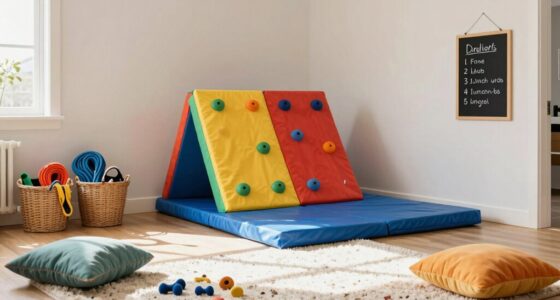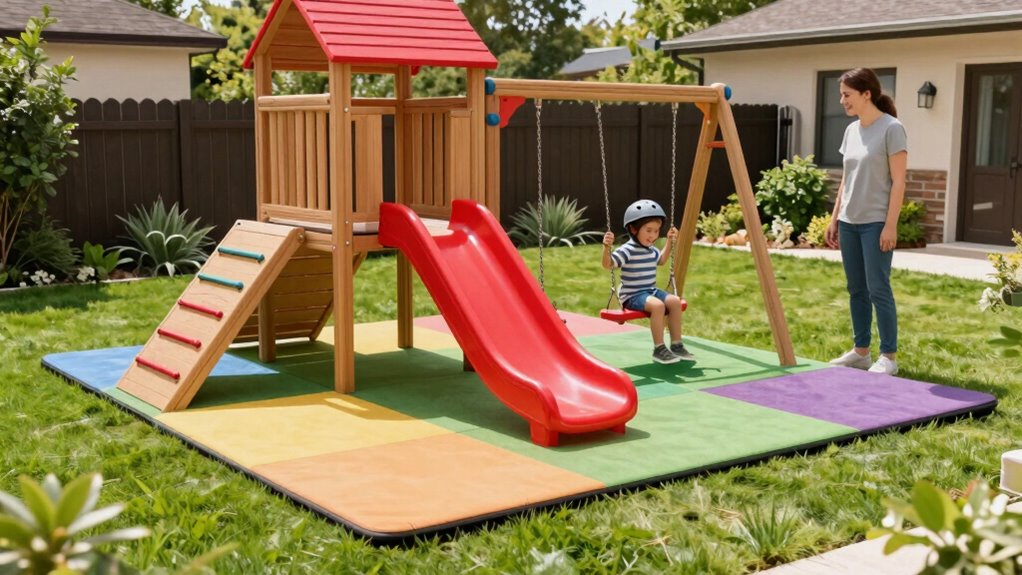

To create a safer backyard play routine, stay actively involved during outdoor play, supervising children closely and encouraging safe behaviors. Regularly inspect your space for hazards like broken equipment or debris, and keep the area organized. Teach clear safety rules, set boundaries, and reinforce them consistently. Plan specific play times and make sure kids stay hydrated and take breaks. Staying vigilant and updating safety measures regularly helps maintain a secure environment—and there’s plenty more you can do to enhance safety.

Get health and wellness essentials delivered free — and shop member deals
- Fast, free delivery on millions of items
- Access to Prime Big Deal Days deals on October 6–7
- Prime Video, Amazon Music and more included
Key Takeaways
- Establish and enforce clear safety rules for equipment use and boundaries.
- Schedule consistent supervised outdoor playtimes to monitor children’s activities.
- Regularly inspect and maintain play equipment and environment for hazards.
- Educate children on safe play practices and encourage responsible behavior.
- Keep the outdoor area organized, free of clutter, and suitable for different weather conditions.
Creating a safer backyard play routine is essential to make sure your kids can enjoy outdoor fun without unnecessary risks. The foundation of safety starts with vigilant playground supervision. When your children are playing outside, you need to be actively present, watching over their activities to prevent accidents before they happen. This means not only keeping an eye on them but also engaging with their play, so you’re aware of how they’re using the equipment and whether they’re following safety rules. Consistent supervision discourages risky behaviors and allows you to step in quickly if something seems unsafe.
Supervise play actively to prevent accidents and encourage safe outdoor fun for your kids.
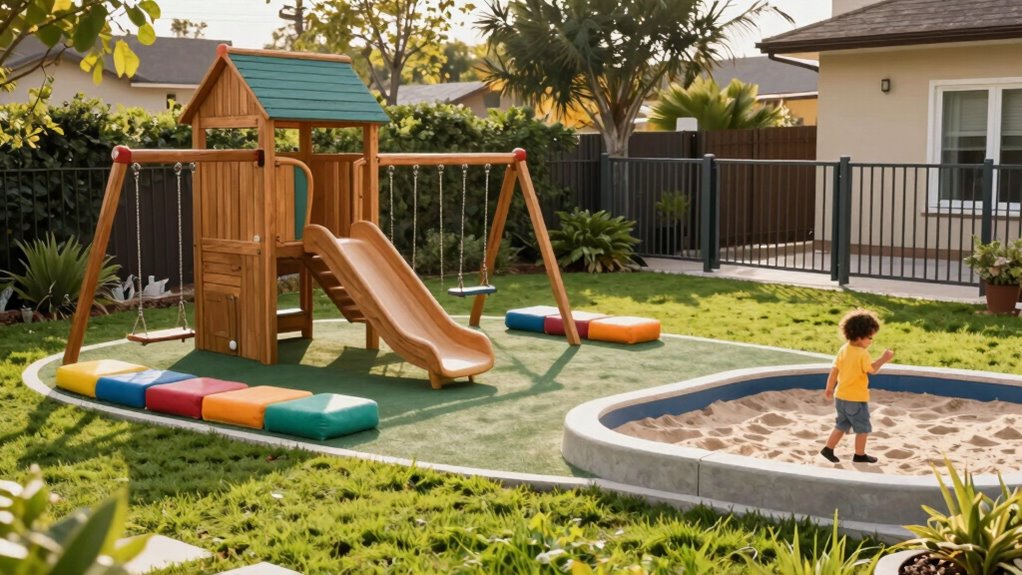
A key part of maintaining a safe environment is hazard identification. You should regularly inspect your backyard for potential dangers, such as broken or rusty equipment, loose bolts, or sharp edges. Clear away any debris, like sticks or rocks, that could cause trips or falls. Make sure the ground beneath playground equipment is soft enough to absorb falls—materials like mulch, sand, or rubber mats are ideal. Check trees, fences, and play structures for stability, and repair or replace anything that appears compromised. By staying proactive in hazard identification, you create a safer space where children can explore freely without constantly worrying about hidden dangers. Additionally, understanding the importance of contrast ratio in projectors can help you create an ideal outdoor environment for safe and enjoyable play, especially if you set up outdoor screens or play areas with visual displays. Staying informed about market trends in backyard safety products can also help you select the best equipment and safety measures for your space. Regularly educating yourself about safety standards ensures you’re keeping up with best practices and new innovations in backyard safety.
Implementing safety rules is another critical step. Teach your kids how to use the play equipment properly and stress the importance of taking turns. Establish boundaries for how far they can go and emphasize that roughhousing or pushing isn’t allowed on the equipment. Consistent rules help children understand expectations and reduce impulsive or dangerous behaviors. Reinforcing these rules through gentle reminders and positive reinforcement encourages ongoing safe play habits. You can also incorporate safety signage around your yard to remind children of key rules and boundaries.
In addition, consider setting specific times for outdoor play, so you can better supervise and monitor your kids. This also helps establish a routine that emphasizes safety and responsibility. When the weather is hot, ensure they stay hydrated and take breaks in shaded areas. During colder months, check that play gear is weather-resistant and safe to use. Maintaining an organized backyard free of clutter not only makes hazard identification easier but also minimizes tripping hazards. Regularly educating your children about safe play practices can further empower them to make smart choices while enjoying outdoor activities. Staying proactive by keeping your outdoor space well-maintained and age-appropriate can significantly reduce potential hazards and promote a culture of safety.
Creating a safer backyard play routine isn’t a one-time task; it’s an ongoing process. Regularly review your safety measures, stay alert during play, and involve your children in understanding the importance of safe play. By combining vigilant playground supervision with consistent hazard identification, you give your kids the best chance to enjoy outdoor adventures while staying safe.
backyard playground safety equipment
As an affiliate, we earn on qualifying purchases.
As an affiliate, we earn on qualifying purchases.
Frequently Asked Questions
What Are the Best Age-Appropriate Backyard Toys for Safety?
You should choose age-appropriate backyard toys made from safe, non-toxic materials like plastic or rubber. These toys reduce injury risk and are durable for outdoor use. When designing your play zone layout, guarantee toys are suitable for your child’s age, with no small parts for younger kids. Incorporate soft surfacing around play equipment to minimize injuries, creating a safe environment where your child can explore and play confidently.
How Often Should Backyard Safety Checks Be Performed?
You should perform backyard safety checks at least once a month, incorporating a risk assessment to identify potential hazards. Regular inspections help you spot loose or broken toys, worn-out safety signage, or damaged equipment. After storms or extreme weather, do a quick check too. Consistent safety assessments guarantee your backyard remains a safe environment, giving you peace of mind and preventing accidents before they happen.
Are There Eco-Friendly Safety Options for Backyard Play Areas?
You can craft an eco-friendly backyard play area using sustainable materials like bamboo and recycled wood, blending natural beauty with safety. Opt for non-toxic finishes on play structures, ensuring your kids stay safe from harmful chemicals while enjoying the outdoors. These eco-friendly options create a vibrant, healthy space that nurtures both your children’s play and the environment, turning your backyard into a safe, green sanctuary that’s as nurturing as it is fun.
How Can I Teach Children About Backyard Safety Rules?
You can teach children about backyard safety rules by using clear, simple language and engaging them with supervision strategies like consistent oversight and positive reinforcement. Demonstrate safety rules through role-playing and explain the importance of safety rule enforcement, such as no running near the pool or climbing on unstable structures. Regularly remind them of rules and praise safe behavior, making safety a fun and integral part of their backyard play routine.
What Should I Do in Case of a Backyard Play Injury?
If your child gets hurt while playing, act fast—don’t panic! First, use injury prevention strategies like applying basic first aid and stopping any bleeding. Next, guarantee emergency response planning is in place; call for help if necessary and keep calm to comfort your child. Always have a well-stocked first aid kit nearby, know emergency numbers, and monitor your child closely until professional help arrives.
As an affiliate, we earn on qualifying purchases.
Conclusion
By following these simple tips, you’ll turn your backyard into a fortress of fun and safety. Think of it as planting seeds for peace of mind—each precaution grows into a secure space where your kids can explore and play freely. With a little effort, your backyard will become a safe haven, like a cozy nest, where your little ones can spread their wings and enjoy their adventures without worry.
As an affiliate, we earn on qualifying purchases.
As an affiliate, we earn on qualifying purchases.
Fall Picks
fall essentials
As an affiliate, we earn on qualifying purchases.