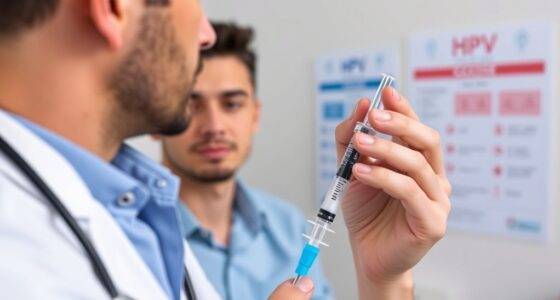
To reduce your cancer risk, adopt a healthy lifestyle by eating plenty of fruits, vegetables, and fiber, staying physically active, and protecting your skin from UV rays. Avoid tobacco and limit alcohol consumption. Regular screenings like mammograms and colonoscopies can catch cancer early, when treatment is most effective. Staying informed about genetic and environmental risks helps you make smarter choices. Keep exploring to learn how these simple steps can make a big difference in your health.
Key Takeaways
- Maintain a healthy diet rich in fruits, vegetables, and fiber to support immune health and reduce cancer risk.
- Engage in regular physical activity to control weight and lower the risk of certain cancers.
- Avoid tobacco, limit alcohol intake, and protect skin from UV exposure to decrease associated cancer risks.
- Undergo recommended screenings such as mammograms and colonoscopies for early detection and improved outcomes.
- Stay informed about genetic and environmental risks to tailor prevention strategies and promote early intervention.
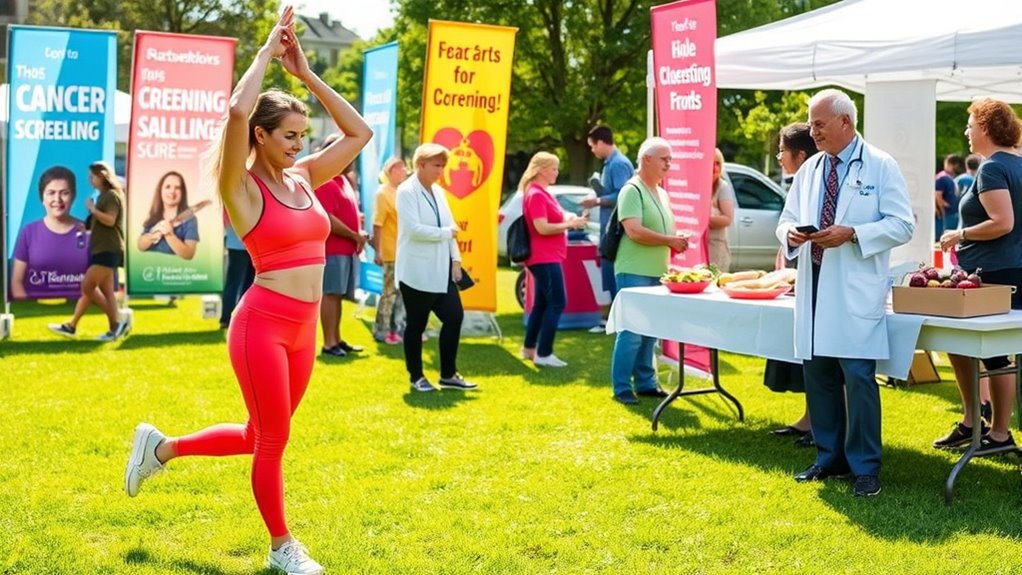
Cancer prevention involves taking proactive steps to reduce your risk of developing the disease. While some factors are beyond your control, understanding how genetic factors and environmental exposures influence your risk can help you make smarter choices. Your genes play a role in cancer susceptibility; if you have a family history of certain cancers, you might be more predisposed. However, having genetic risk factors doesn’t mean you’re destined to develop cancer. Instead, it highlights the importance of regular screenings and adopting healthy habits to catch potential issues early. Environmental exposures are another essential aspect. Exposure to harmful substances like tobacco smoke, radiation, certain chemicals, and pollutants can markedly increase your risk. Being aware of your surroundings and minimizing contact with known carcinogens can make a difference. For instance, avoiding tobacco and limiting alcohol intake reduces exposure to substances linked with various cancers. Protecting yourself from environmental hazards isn’t just about avoiding obvious dangers; it also includes making changes in your daily environment. Using protective gear when handling chemicals, ensuring proper ventilation, and staying indoors during high pollution days are practical steps. Additionally, advocating for cleaner air and water in your community can help reduce environmental risks for everyone. Your lifestyle choices can influence how genetic and environmental factors impact your health. Maintaining a balanced diet rich in fruits, vegetables, and fiber helps bolster your immune system and may lower cancer risk. Regular physical activity not only helps manage weight but also reduces the risk of certain types of cancer. Protecting your skin from excessive sun exposure by wearing protective clothing and using sunscreen is essential, especially since UV radiation is a known environmental carcinogen. Avoiding tobacco, limiting alcohol, and staying away from illegal drugs contribute further to lowering your overall risk. Monitoring cancerous lesions and being vigilant about skin changes can aid early detection. Screening plays an important role in early detection, especially if you have genetic predispositions or significant environmental exposures. Regular check-ups and cancer screenings—such as mammograms, colonoscopies, or skin exams—are key tools in catching cancer early when it’s most treatable. Being proactive about screening is a fundamental part of your prevention strategy. Remember, understanding your genetic background and environmental risks isn’t meant to cause worry but to empower you. By making conscious lifestyle choices and staying vigilant through screenings, you take control of your health. Prevention isn’t just about avoiding cancer; it’s about creating a healthier, more aware lifestyle that minimizes risks and promotes early detection.
Top picks for "cancer prevention lifestyle"
Open Amazon search results for this keyword.
As an affiliate, we earn on qualifying purchases.
Frequently Asked Questions
How Effective Are Different Screening Methods for Various Cancers?
You’ll find that screening methods vary in effectiveness depending on the cancer type. Some, like mammograms for breast cancer, have high screening accuracy, catching early signs effectively. Others, like PSA tests for prostate cancer, may produce false positives, leading to unnecessary worry and procedures. Overall, screening can save lives, but understanding its limitations, including false positives, helps you make informed decisions with your healthcare provider.
Can Diet Alone Significantly Reduce Cancer Risk?
Diet alone can’t substantially reduce your cancer risk, but diet modifications and nutritional impact play crucial roles in prevention. By choosing a balanced diet, rich in fruits, vegetables, and whole grains, you support your body’s defenses, improve health, and lower risk factors. While diet alone isn’t enough, consistent healthy choices reinforce other prevention strategies, creating an all-encompassing approach to reducing your overall cancer risk.
What Are the Latest Advancements in Cancer Prevention Technology?
You should know that the latest advancements in cancer prevention technology include genomic editing and artificial intelligence. Genomic editing allows scientists to modify genes linked to cancer risk, potentially reducing individual susceptibility. Meanwhile, artificial intelligence helps detect early warning signs through advanced data analysis and imaging. These innovations are transforming prevention strategies, making screenings more precise and personalized, helping you stay ahead of potential cancer developments with improved accuracy.
How Do Genetic Factors Influence Individual Cancer Risk?
Genetic factors are like the blueprint of your health, shaping your cancer risk. Your genetic predisposition, influenced by inherited mutations, can markedly increase your chances of developing certain cancers. These mutations run in families, acting as silent triggers that heighten vulnerability. Knowing your genetic makeup helps you understand your risk and take proactive steps, making prevention a tailored journey rather than a one-size-fits-all approach.
Are There Specific Lifestyle Changes Recommended for High-Risk Groups?
If you’re at high risk for cancer, genetic counseling can help identify your specific risks, guiding personalized recommendations. You should adopt lifestyle modifications like quitting smoking, maintaining a healthy weight, eating a balanced diet, exercising regularly, and limiting alcohol intake. These changes can markedly reduce your risk. Stay proactive by working closely with healthcare professionals to develop a tailored prevention plan that aligns with your genetic background.
Conclusion
By making smart choices now, you’re planting seeds of hope that will grow into a shield against cancer. Think of your lifestyle and screenings as your armor, fortifying your body’s fortress from the inside out. Every healthy habit and early check-up adds a brick to your defenses, turning your future into a bright horizon. Take control today—your proactive steps are the compass guiding you toward a healthier, cancer-free tomorrow.