
TL;DR
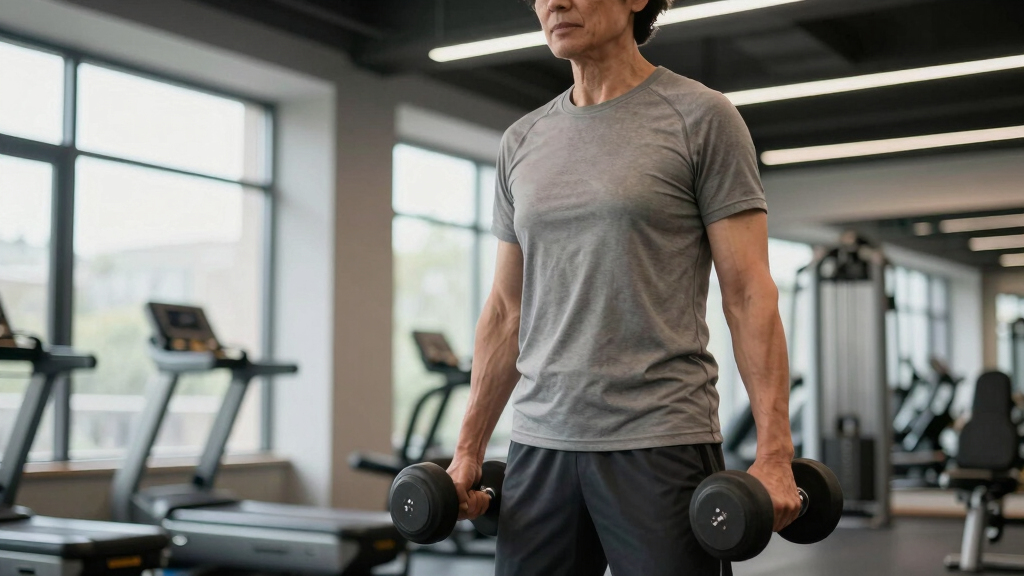
A large-scale study indicates that regular weight training for 90 minutes to two hours per week lowers the risk of premature death. The research highlights significant reductions in death from heart disease, stroke, and neurological conditions. The findings support strength training as a key component of healthy aging.
New research confirms that engaging in 90 minutes to two hours of weight training weekly can lower the risk of early death by 13%, with additional reductions in death from heart disease, stroke, and neurological conditions. The study, which analyzed decades of data, underscores the importance of resistance training for long-term health, adding to the well-established benefits of aerobic exercise.
The study examined data from three separate long-term studies involving 147,374 men and women over a period of 30 years. Researchers found that individuals who regularly performed resistance or weight training within the recommended 90 minutes to two hours weekly experienced a 13% decrease in overall mortality risk. Specifically, the risk of death from cardiovascular disease was reduced by 19%, and deaths from neurological diseases, such as dementia, decreased by 27%.
Researchers also observed that the most significant benefits occurred among those who combined high levels of aerobic activity with strength training. In this group, the risk of early death from any cause was reduced by up to 58%. Interestingly, exceeding two hours of weekly strength training did not appear to provide additional benefits, suggesting a threshold effect.
Why It Matters
The findings highlight strength training as a vital, yet often underemphasized, component of health promotion and disease prevention. For individuals, especially those approaching older age, incorporating resistance exercises could prolong independence and reduce the strain on healthcare systems by preventing chronic conditions associated with aging.
Health experts emphasize that these results support public health initiatives advocating for increased physical activity, including weight training, as part of routine health maintenance. The study provides further evidence that physical activity beyond aerobic exercise can significantly impact longevity and quality of life.
adjustable dumbbell set for strength training
As an affiliate, we earn on qualifying purchases.
As an affiliate, we earn on qualifying purchases.
Background
While the health benefits of aerobic exercise like jogging, cycling, and swimming are well documented, the role of strength training has been less clear until recent years. Previous studies suggested benefits for bone health and metabolic function, but its direct link to mortality risk was less established. This new research consolidates evidence from multiple long-term studies, marking a significant step forward in understanding how resistance training influences longevity.
Current guidelines from health authorities recommend at least 150 minutes of moderate aerobic activity weekly, with strength training included twice weekly. The new findings suggest that even shorter durations of resistance training can have substantial health benefits, especially when combined with aerobic exercise.
“Strength-based physical activity is a powerful tool, particularly in support of healthy ageing – helping prevent or delay poor health, keeping us mobile and independent and easing pressures on overstretched health and care services.”
— Tom Burton, Sport England
“I want to be independent later in life. There’s so many studies out there which show all of the benefits from strength training, for your cardiovascular health, your muscles, your bones, your mental health.”
— Kate Hogarth, 28-year-old weight trainer
“Strength training really helps improve, manage blood sugar levels, joint pain, and strengthens bones. Clients feel more energetic and have better cognitive function.”
— Bev Wilson, personal trainer
resistance bands for weight training
As an affiliate, we earn on qualifying purchases.
As an affiliate, we earn on qualifying purchases.
What Remains Unclear
While the study shows strong associations between weight training and reduced mortality risk, it is observational and cannot definitively establish causation. It remains unclear how individual differences, such as genetics, diet, and overall lifestyle, influence these outcomes. Additionally, the optimal type, intensity, and duration of resistance training for different populations are still being researched.
As an affiliate, we earn on qualifying purchases.
What’s Next
Researchers plan to further investigate the biological mechanisms behind resistance training’s protective effects and explore how these benefits can be maximized across diverse populations. Public health agencies may update guidelines to emphasize strength training’s role in longevity. Clinicians are encouraged to promote resistance exercises alongside aerobic activity as part of routine health advice.
kettlebell for strength and longevity
As an affiliate, we earn on qualifying purchases.
As an affiliate, we earn on qualifying purchases.
Key Questions
How much weight training should I do each week for health benefits?
Current evidence suggests that engaging in about 90 minutes to two hours of weight training weekly can significantly reduce health risks. It is advisable to spread this activity across multiple sessions for safety and effectiveness.
Can weight training help me live longer even if I’m older or have health conditions?
While the study indicates benefits for adults of various ages, individuals with existing health conditions should consult healthcare providers to tailor resistance training safely into their routines.
Does lifting more than two hours a week provide extra benefits?
No, the research shows that exceeding two hours of weekly strength training does not significantly increase health benefits, suggesting a threshold effect.
What types of resistance exercises are recommended?
Exercises that target major muscle groups, such as weightlifting, resistance band exercises, or body-weight movements like squats and push-ups, are effective. It’s best to perform these with proper technique to avoid injury.
Source: BBC Health