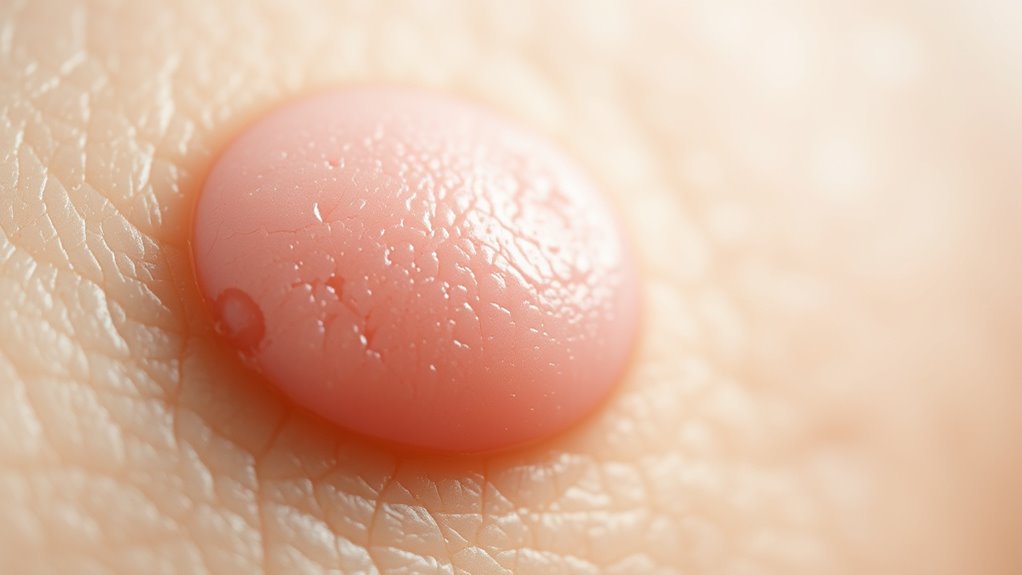

To prevent eczema and irritant dermatitis, it’s key to keep your skin barrier healthy. This involves protecting it from harsh chemicals, pollution, and UV rays that can weaken it. Use gentle, fragrance-free moisturizers with ceramides and fatty acids to reinforce your skin’s defenses. Maintain proper hydration and avoid over-cleansing. Establishing long-term skincare practices will boost your barrier, making your skin more resilient. Continue exploring ways to strengthen your skin for better protection and overall health.

Get health and wellness essentials delivered free — and shop member deals
- Fast, free delivery on millions of items
- Access to Prime Big Deal Days deals on October 6–7
- Prime Video, Amazon Music and more included
Key Takeaways
- Maintain a strong skin barrier with regular moisturization using ceramide-rich and occlusive products.
- Avoid harsh chemicals, fragrances, and irritants that can weaken or damage the skin’s protective layer.
- Stay hydrated internally and externally to support barrier function and reduce dryness.
- Identify and address early signs of barrier disruption, seeking dermatological help if symptoms persist or worsen.
- Support long-term skin health with a balanced diet, stress management, and gentle skincare routines to prevent eczema and irritant dermatitis.
ceramide-rich moisturizer for sensitive skin
As an affiliate, we earn on qualifying purchases.
As an affiliate, we earn on qualifying purchases.
Understanding the Structure of the Skin Barrier

To truly understand how the skin barrier functions, it’s essential to know its structure. The outermost layer, the stratum corneum, acts as your first line of defense. It’s made up of dead skin cells, called corneocytes, embedded within a lipid matrix. This lipid matrix consists mainly of ceramides, cholesterol, and fatty acids, forming a waterproof barrier. These lipids fill the spaces between corneocytes, preventing water loss and blocking harmful substances from entering. The integrity of this structure is vital for healthy skin. When the stratum corneum is intact, it effectively shields your deeper skin layers. Any disruption in this layered system weakens your skin’s defense, making it more vulnerable to irritants and pathogens. Maintaining skin barrier health is essential for preventing skin conditions such as eczema and irritant dermatitis. Understanding this structure is key to maintaining a strong, resilient skin barrier, especially considering that lipid composition plays a crucial role in barrier function.
As an affiliate, we earn on qualifying purchases.
Common Factors That Weaken Skin Defense
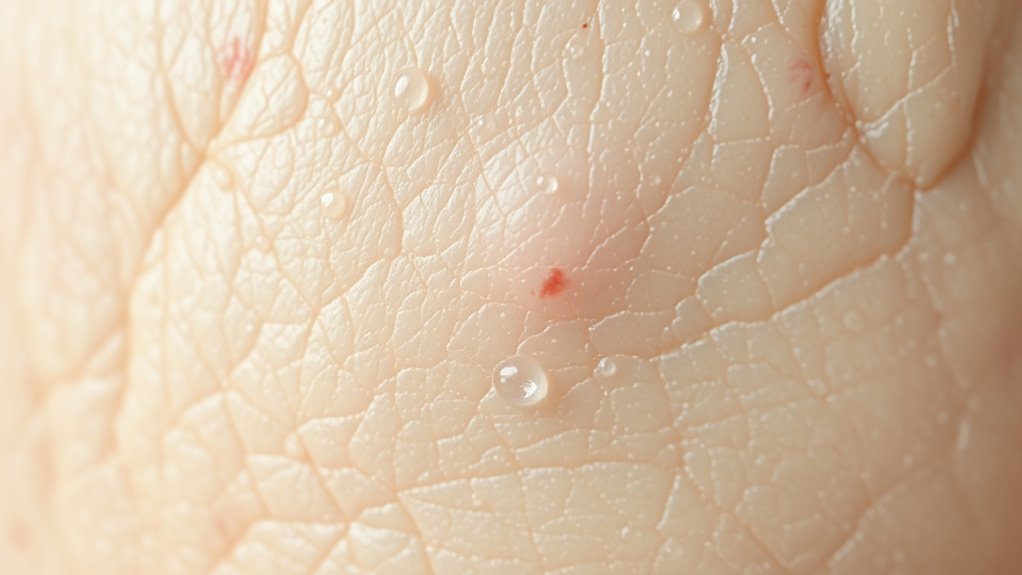
Exposure to harsh chemicals and environmental stressors can markedly weaken your skin’s defenses. These factors break down the skin barrier, making it more vulnerable to damage and irritation. Understanding how they affect your skin helps you take better steps to protect it. Additionally, nurturing your skin with proper care can help maintain its protective barrier function, reducing the risk of conditions like eczema and irritant dermatitis. Incorporating gentle, nourishing ingredients like essential oils for skin health can reinforce your skin’s natural defenses and promote overall resilience. Using skin-friendly cleaning products that avoid harsh chemicals can further support your skin’s barrier.
Harsh Chemicals Exposure
Harsh chemicals found in many skincare and cleaning products can considerably weaken your skin’s natural defenses. These chemical irritants can strip away moisture and disrupt the skin barrier, leading to increased sensitivities. When exposed repeatedly, you might develop product sensitivities or experience irritation and inflammation. To protect your skin, watch out for:
- Strong surfactants like sodium lauryl sulfate in cleansers
- Fragrances and artificial dyes in cosmetics
- Harsh preservatives such as parabens and formaldehyde releasers
Avoiding these irritants helps maintain your skin’s integrity and reduces the risk of eczema and irritant dermatitis. Choosing gentle, fragrance-free products and reading labels carefully are key steps to strengthen your skin barrier against damaging chemicals.
Environmental Stressors Impact
Environmental stressors such as pollution, UV radiation, and extreme weather conditions continuously challenge your skin’s defenses. Air pollution introduces harmful particles that can penetrate the skin barrier, causing inflammation and weakening its protective function. UV radiation damages skin cells and depletes essential lipids, making your skin more vulnerable to irritation and moisture loss. Extreme weather, whether cold or hot, strips moisture and disrupts the barrier’s integrity. Over time, these stressors compromise your skin’s ability to defend against irritants and allergens, increasing the risk of eczema and irritant dermatitis. Additionally, certain environmental factors can impair the skin’s natural barrier function, further increasing susceptibility to damage. To protect your skin, limit exposure when possible, wear protective clothing, and use barrier-strengthening skincare. Understanding the impact of environmental stressors can help you optimize your home environment for better skin health, as well as improved viewing experiences. Recognizing these environmental impacts helps you take proactive steps to maintain a resilient, healthy skin barrier.
gentle skin cleanser for eczema-prone skin
As an affiliate, we earn on qualifying purchases.
As an affiliate, we earn on qualifying purchases.
Recognizing Signs of a Compromised Barrier
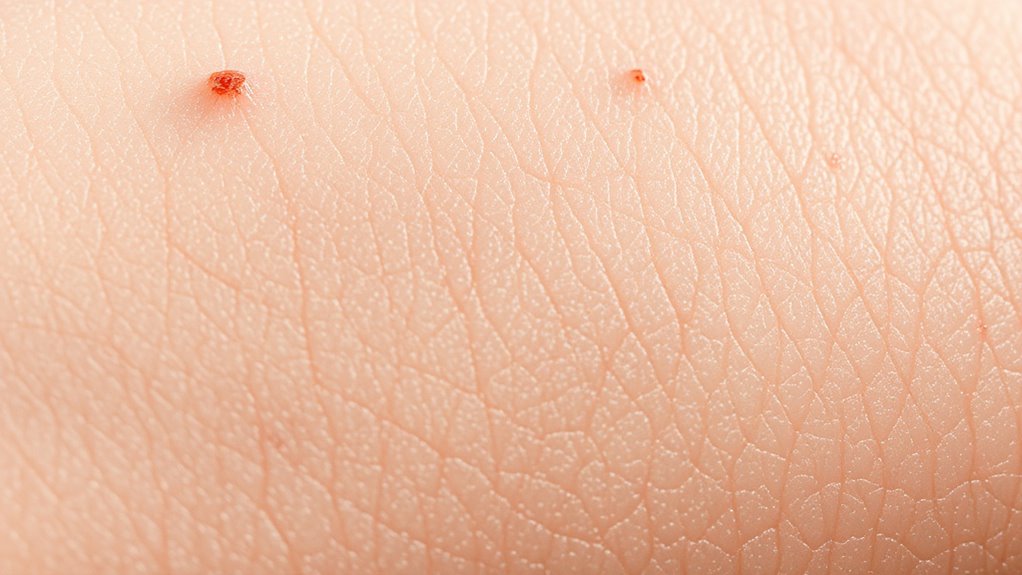
A compromised skin barrier often reveals itself through noticeable changes in your skin’s appearance and feel. If you have sensitive skin or notice early signs, it’s likely your barrier is weakened. You might see redness, dryness, or rough patches that don’t improve with regular care. Itching and irritation become more common, especially after exposure to irritants or environmental stressors. Pay attention to these clues, as they signal your skin’s defenses are compromised. Recognizing these early signs helps you take action before issues worsen. Given the importance of skin barrier health, staying vigilant about changes in your skin can prevent further damage. Incorporating gentle, nourishing skincare products can support barrier repair and promote healthier skin.
As an affiliate, we earn on qualifying purchases.
The Role of Moisturization in Skin Health

Moisturization is key to maintaining your skin’s health because it helps support your skin’s barrier function. When your skin stays well-hydrated, it can better lock in moisture and protect against external irritants. Keeping your skin moisturized ensures it remains resilient and healthy over time. Additionally, maintaining proper skin hydration can help prevent irritant dermatitis and other skin conditions by reducing vulnerability to environmental triggers such as pollutants or irritants. Using appropriate skincare products with hydrating ingredients can further enhance your skin’s barrier and overall health.
Hydration Boosts Barrier
When your skin is properly hydrated, its natural barrier becomes stronger and more resilient against external irritants. Maintaining optimal hydration levels enhances the skin’s ability to retain moisture, which is essential for barrier function. When moisture retention is adequate, your skin can better defend itself, reducing dryness and irritation. To boost hydration, focus on staying consistent with moisturizing routines and choosing products that support moisture balance. Key factors include:
- Using humectants to attract water into your skin
- Avoiding ingredients that strip moisture
- Drinking plenty of water to support internal hydration
- Incorporating sound healing science techniques can promote relaxation, which may indirectly benefit skin health by reducing stress-related inflammation. Additionally, understanding skin barrier function can help tailor effective skincare strategies for better barrier repair and maintenance. Adequate hydration is also closely linked to creativity and innovation, as a well-hydrated mind is better equipped for problem-solving and maintaining focus.
Locking in Moisture
Building on the importance of hydration, locking in moisture guarantees that your skin stays protected and supple throughout the day. To do this effectively, focus on lipid reinforcement, which helps restore your skin’s natural barrier. Well-placed lipids create a seal that prevents moisture loss, ensuring your skin remains hydrated longer. Moisture sealing is key—using occlusive ingredients like petrolatum or shea butter forms a barrier that traps water in the skin. This not only maintains your skin’s softness but also shields it from environmental irritants. When you prioritize moisture sealing, you enhance your skin’s resilience against dryness and irritation. Additionally, understanding how Expert advice – My dogs’ names influences skin hydration can help you choose the most effective moisturizing strategies.
Choosing the Right Skincare Products

How can you guarantee you’re choosing skincare products that truly support your skin barrier? Focus on ingredient selection and product formulations. Look for gentle, barrier-friendly ingredients like ceramides, fatty acids, and glycerin, which help restore and protect your skin. Encryption helps protect user data from unauthorized access. Avoid harsh chemicals, fragrances, and alcohol that can irritate or strip your skin’s natural defenses. When reviewing labels, prioritize products with minimal, straightforward formulations to reduce the risk of adverse reactions. Incorporating mindful ingredient choices ensures your skincare supports the skin’s natural barrier effectively.
Lifestyle Habits for Strengthening Your Skin
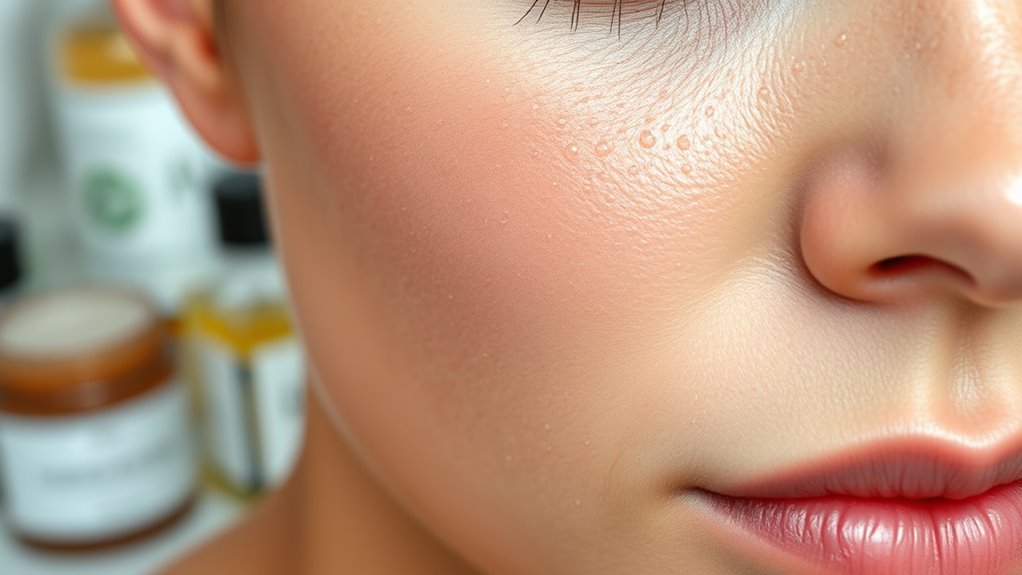
Adopting healthy lifestyle habits plays a crucial role in strengthening your skin’s barrier. Start with diet modifications by including foods rich in antioxidants, healthy fats, and vitamins like C and E, which support skin repair and reduce inflammation. Stay hydrated to keep your skin supple and resilient. Managing stress is equally important; high stress levels can impair your skin’s ability to recover and weaken its barrier. Practice relaxation techniques like meditation or deep breathing exercises regularly. Avoid excessive alcohol and smoking, which can deplete your skin of essential nutrients. Prioritize sleep, as restorative rest helps repair skin cells and maintain barrier integrity. Incorporating these habits into your daily routine can markedly enhance your skin’s resilience against irritants and environmental damage.
When to Seek Professional Help
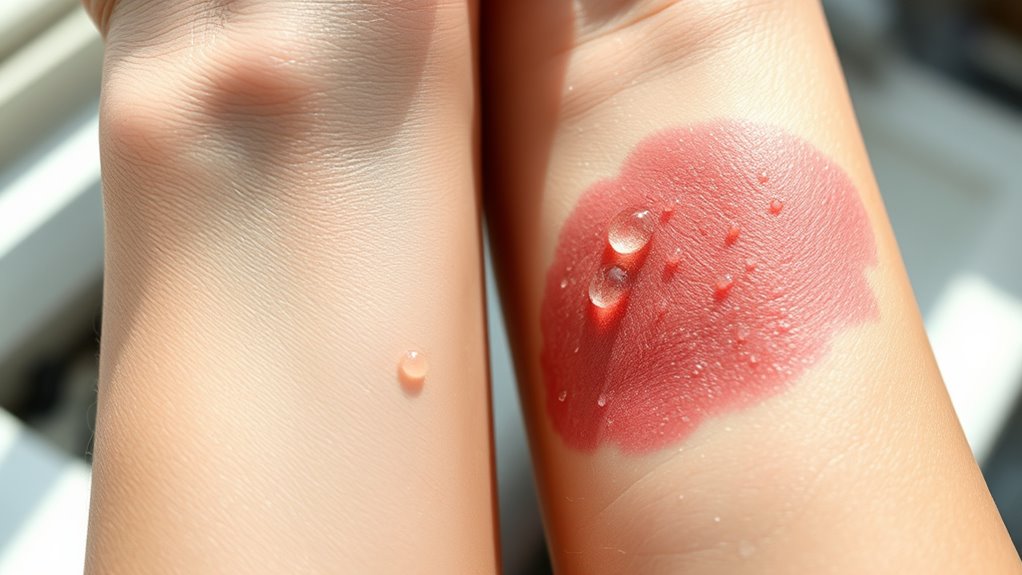
While maintaining a healthy skin barrier often improves with lifestyle changes, there are times when professional help becomes essential. If your skin shows persistent or worsening symptoms, seeking a professional consultation can provide accurate diagnosis and targeted treatment. Don’t wait if you experience:
- Severe or spreading rashes that don’t respond to home care
- Signs of infection, such as pus, swelling, or fever
- Sudden, intense irritation or pain that disrupts daily activities
In these cases, urgent dermatology visits are necessary to prevent complications. Early intervention by a dermatologist can address underlying issues and recommend appropriate treatments. Recognizing when self-care isn’t enough guarantees your skin receives the right care at the right time.
Long-term Strategies for Barrier Restoration
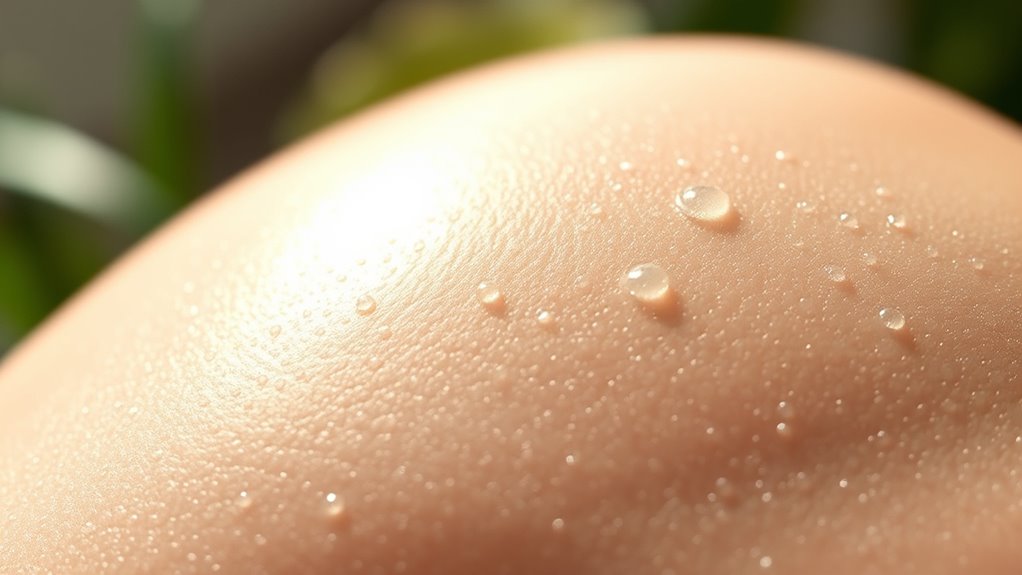
Restoring your skin barrier over the long term requires consistent, targeted strategies that support its natural functions. Prioritize nutritional support by eating a balanced diet rich in vitamins, antioxidants, and omega-3 fatty acids, which help strengthen your skin from within. Incorporate foods like fatty fish, nuts, and leafy greens to promote healing and resilience. Equally important is stress management; high stress levels can impair barrier repair and increase inflammation. Practice mindfulness, regular exercise, or relaxation techniques to reduce stress and support skin health. Establish a daily skincare routine using gentle cleansers and barrier-repairing moisturizers to maintain hydration. Combining these approaches ensures your skin’s barrier remains robust, reducing the risk of eczema and irritant dermatitis over time.
Frequently Asked Questions
How Can Diet Impact Skin Barrier Health?
Your diet directly impacts your skin barrier health. Consuming foods rich in nutritional antioxidants helps protect your skin from oxidative stress, boosting its resilience. Including healthy dietary fats, like omega-3s, supports the barrier’s lipid layer, keeping moisture in and irritants out. When you prioritize these nutrients, you strengthen your skin’s defenses, reducing the risk of eczema and irritant dermatitis while promoting overall skin wellness.
Are Natural Remedies Effective for Barrier Repair?
You might find herbal remedies and topical oils helpful for barrier repair. These natural options can soothe your skin and support healing, especially when used consistently. While some herbal remedies like chamomile or calendula have anti-inflammatory properties, topical oils like jojoba or coconut oil help lock in moisture and strengthen your skin’s barrier. Remember, individual responses vary, so consult a healthcare professional to determine what suits your skin best.
Can Environmental Pollution Worsen Skin Barrier Damage?
Environmental pollution, like air pollution and chemical exposure, can definitely worsen skin barrier damage. When you’re exposed to pollutants, harmful particles and toxins penetrate your skin, leading to increased inflammation and weakened barrier function. This makes your skin more vulnerable to irritants and allergens. To protect your skin, limit exposure to polluted environments, use barrier-repairing skincare, and wash your face thoroughly after outdoor activities.
What Role Does Genetics Play in Skin Barrier Strength?
Imagine your skin as a fortress, with barrier genetics forming its sturdy walls. Genetics play a vital role in determining your fortress’s strength; genetic predispositions can weaken these walls, making your skin more vulnerable to damage. If your barrier genetics lean toward fragility, you’re more likely to experience eczema or irritant dermatitis. Understanding your genetic makeup helps you take targeted steps to bolster your skin’s defenses and maintain its resilience.
How Does Aging Affect Skin Barrier Function?
Aging impacts your skin barrier by reducing its resilience, making it more prone to damage and irritation. As you age, your skin produces less oil and natural moisturizing factors, leading to dryness and increased vulnerability. This decline weakens the barrier, making it easier for irritants and allergens to penetrate. To protect your skin, focus on hydration, gentle cleansing, and barrier-strengthening products to maintain its resilience and health over time.
Conclusion
Taking care of your skin barrier is essential—did you know that over 80% of eczema cases stem from barrier dysfunction? By understanding how to protect and strengthen your skin, you can reduce irritation and prevent flare-ups. Consistent moisturization, smart product choices, and healthy habits make a real difference. Stay vigilant, and don’t hesitate to consult a professional if needed. Your skin’s health is worth the effort for long-term comfort and confidence.
Fall Picks
fall essentials
As an affiliate, we earn on qualifying purchases.