
TL;DR

Get health and wellness essentials delivered free with Prime
- Fast, free delivery on millions of items
- Prime Video, Amazon Music and more included
- Member-only deals all year
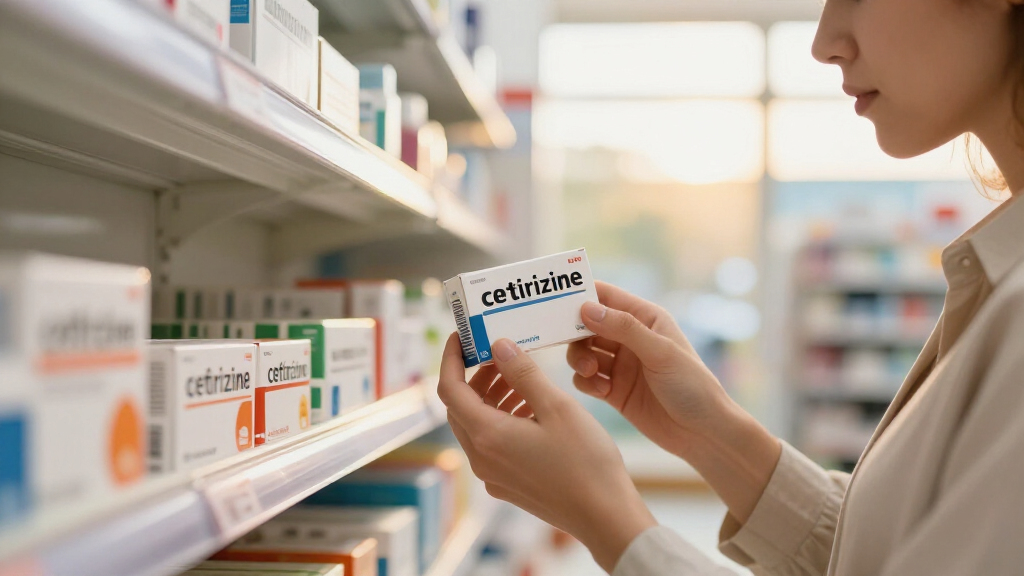
Several batches of cetirizine allergy medication are being recalled nationwide due to contamination concerns. Consumers are advised to check their medication and consult healthcare providers if needed. The recall impacts multiple brands and formulations, with health authorities investigating the issue.
Federal health regulators have issued a nationwide recall of specific cetirizine allergy medications after discovering potential contamination in certain batches. The recall affects multiple brands and formulations, with consumers urged to check their medication and consult healthcare providers if they experience any adverse effects. This development is significant because cetirizine is a widely used antihistamine, and contamination could pose health risks.
The Food and Drug Administration (FDA) announced on March 25, 2026, that several lots of cetirizine hydrochloride tablets and syrups are being recalled due to concerns over possible microbial contamination. The affected products include popular store brands and generic formulations, with batch numbers and expiration dates provided on the FDA website. The contamination was reportedly identified during routine testing by the manufacturing company, which then notified regulators.
Consumers are advised to stop using the recalled products immediately and dispose of them safely. No injuries or adverse events have been officially linked to the contamination as of now, but health authorities warn that exposure could lead to gastrointestinal issues, allergic reactions, or other health concerns, especially in vulnerable populations such as children and immunocompromised individuals. The companies involved have begun notifying distributors and retailers to remove the affected stock from shelves.
Impact of the Cetirizine Recall on Consumers and Healthcare
This recall is significant because cetirizine is one of the most commonly used antihistamines for allergy relief in the United States. The potential contamination raises concerns about medication safety and quality control in pharmaceutical manufacturing. Patients relying on cetirizine for allergy symptoms may need to seek alternative treatments temporarily, and healthcare providers are advised to monitor for any adverse reactions linked to the recalled batches. The widespread nature of the affected products underscores the importance of vigilant quality assurance in over-the-counter medications.
cetirizine allergy medication recall
As an affiliate, we earn on qualifying purchases.
As an affiliate, we earn on qualifying purchases.
Background on Cetirizine and Recent Regulatory Actions
Cetirizine hydrochloride is an antihistamine used to treat allergy symptoms such as sneezing, runny nose, and itchy eyes. It is available over-the-counter and is among the top-selling allergy medications in the US. The medication has a long-standing safety profile, but manufacturing issues can still pose risks. This is not the first time allergy medications have been recalled due to contamination or quality concerns; previous incidents have involved other antihistamines and over-the-counter drugs. The current recall follows increased regulatory scrutiny of pharmaceutical manufacturing processes amid recent reports of contamination in various drug supplies.
“We are actively investigating the scope of this contamination and working with manufacturers to ensure consumer safety. Consumers should check their medication and follow recall instructions.”
— FDA spokesperson
antihistamine alternative medications
As an affiliate, we earn on qualifying purchases.
As an affiliate, we earn on qualifying purchases.
Extent of Contamination and Affected Products Still Unclear
It is not yet clear how widespread the contamination is or whether it affects all batches of cetirizine on the market. Details about the specific contaminant and its potential health effects are still emerging. The full list of affected products has not been publicly disclosed, and investigations are ongoing to determine the source of contamination and whether other medications may be impacted.
As an affiliate, we earn on qualifying purchases.
Next Steps for Consumers and Regulators in the Cetirizine Recall
Health authorities and manufacturers are expected to release detailed lists of affected batches and guidance for consumers on how to identify and dispose of the recalled medication. Further testing and investigation are underway to assess health risks and prevent future contamination. Consumers are advised to monitor official updates and consult healthcare providers if they experience any symptoms or have questions about their medication.
As an affiliate, we earn on qualifying purchases.
Key Questions
Which cetirizine products are affected by the recall?
The FDA has not yet released a complete list, but affected products include certain batches of popular store brands and generic cetirizine formulations. Consumers should check the FDA website or packaging for batch numbers and expiration dates.
What health risks are associated with the contaminated cetirizine?
Potential risks include gastrointestinal issues, allergic reactions, or other health problems, especially in vulnerable populations. No specific adverse events have been confirmed yet, but health authorities advise caution.
Should I stop using cetirizine immediately?
Consumers who have purchased affected batches should stop using the medication and dispose of it safely. Contact your healthcare provider for advice on alternative allergy treatments.
How will I know if my medication is recalled?
Check the batch number and expiration date on your medication against information provided by the FDA or your pharmacy. Official recall notices will also be posted on government and manufacturer websites.
When will more details about the recall be available?
Regulators and manufacturers are expected to release additional information within the next week, including a full list of affected products and guidance for consumers.
Source: google-trends
Fall Picks
fall essentials
As an affiliate, we earn on qualifying purchases.