
TL;DR

Get health and wellness essentials delivered free with Prime
- Fast, free delivery on millions of items
- Prime Video, Amazon Music and more included
- Member-only deals all year
Recent outbreaks of Cyclospora infections have highlighted the need for improved food safety practices. Experts recommend thorough washing, proper food handling, and awareness to reduce infection risk.
Health authorities have confirmed an increase in Cyclospora infections linked to contaminated fresh produce, emphasizing the importance of proper food handling to prevent severe intestinal illness. This development comes amid ongoing outbreaks that have affected multiple states, raising public health concerns.
Recent reports from the Centers for Disease Control and Prevention (CDC) indicate a surge in Cyclospora cases across several U.S. states, primarily associated with imported fresh produce such as berries and leafy greens. The parasite causes symptoms like severe diarrhea, stomach cramps, and nausea, which can last for weeks if untreated.
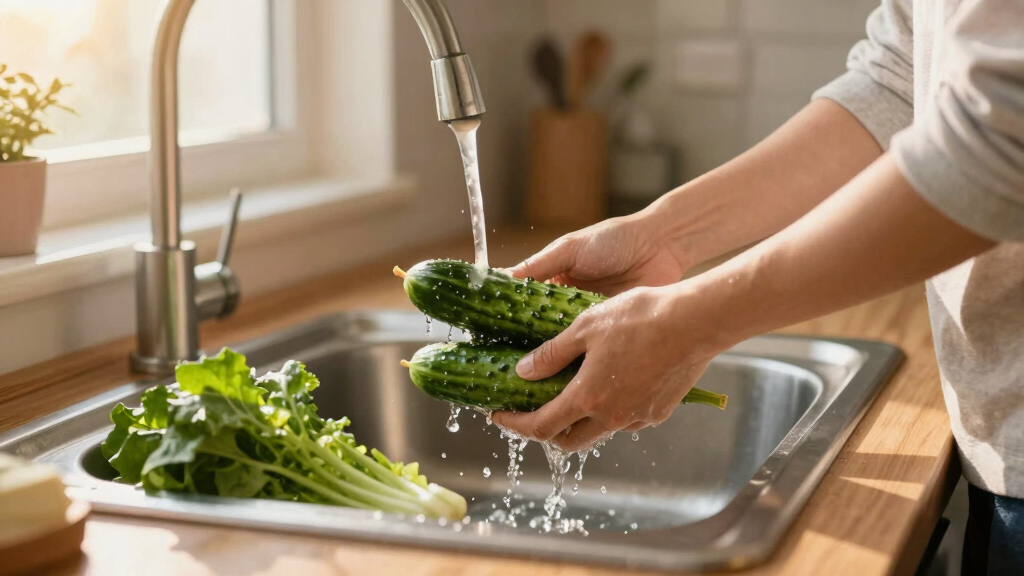
Public health officials advise consumers to wash fruits and vegetables thoroughly with clean water, peel produce when possible, and maintain good hygiene practices during food preparation. The CDC has also recommended that individuals avoid consuming produce from sources linked to recent outbreaks until further notice.
Food safety agencies are investigating the outbreak, focusing on the supply chains of affected produce. While no specific brands have been officially implicated yet, authorities stress that contamination often occurs during growing, harvesting, or transportation stages.
Implications for Public Health and Food Safety
This outbreak underscores the importance of strict food safety practices to prevent parasitic infections like Cyclospora. For consumers, understanding how to properly handle produce can significantly reduce infection risk. For health officials, it highlights the need for ongoing surveillance and improved agricultural hygiene standards to prevent future outbreaks.produce wash for fruits and vegetables
As an affiliate, we earn on qualifying purchases.
As an affiliate, we earn on qualifying purchases.
Recent Cyclospora Outbreaks and Food Safety Measures
Cyclospora cayetanensis is a microscopic parasite that causes cyclosporiasis, a gastrointestinal illness characterized by prolonged diarrhea and dehydration. Outbreaks linked to contaminated produce have been reported periodically over the past decade, often tied to imported berries, lettuce, and herbs. The recent increase in cases is consistent with previous patterns, but heightened awareness and preventive measures are critical to controlling spread.
Health agencies have previously issued advisories during similar outbreaks, emphasizing thorough washing and proper food storage. The current situation reaffirms these recommendations, with experts urging consumers to remain vigilant, especially during peak produce seasons when contamination risks are higher.
Authorities continue to investigate supply chains, with some reports suggesting contamination may occur during irrigation or handling processes. Meanwhile, public health campaigns are reinforcing safe food practices to minimize risk.
“Thorough washing of fruits and vegetables is essential in reducing the risk of Cyclospora infection. Consumers should be cautious, especially with imported produce during outbreak periods.”
— Dr. Jane Smith, CDC Infectious Disease Specialist
As an affiliate, we earn on qualifying purchases.
Unresolved Questions About Outbreak Sources and Prevention
It is not yet clear which specific farms or supply chains are responsible for the contamination. Investigations are ongoing, and no definitive source has been publicly identified. Additionally, the full scope of affected produce and the effectiveness of current safety measures remain under review.As an affiliate, we earn on qualifying purchases.
Next Steps in Outbreak Investigation and Public Guidance
Health authorities will continue to investigate the supply chains involved in the outbreak, with updates expected as more information becomes available. Public health agencies are likely to issue further advisories, emphasizing safe food handling practices. Consumers are advised to stay informed through official channels and avoid produce linked to recent outbreaks until cleared.
Researchers and regulators are also working to improve detection and prevention methods to reduce future risks of Cyclospora contamination in the food supply.
food safety gloves for handling produce
As an affiliate, we earn on qualifying purchases.
As an affiliate, we earn on qualifying purchases.
Key Questions
How can I tell if my produce is contaminated with Cyclospora?
There is no visible way to detect Cyclospora on produce. The best prevention is thorough washing, peeling when possible, and sourcing from reputable suppliers, especially during outbreaks.
Are all types of produce at risk of contamination?
While certain produce like berries, leafy greens, and herbs are more commonly linked to outbreaks, contamination can occur with any fresh produce if proper hygiene practices are not followed.
What should I do if I experience symptoms after eating produce?
If you develop symptoms such as diarrhea, stomach cramps, or nausea, consult a healthcare provider. Cyclospora infections require specific antibiotic treatment, and staying hydrated is important.
Are imported produce more likely to be contaminated?
Imported produce has been associated with previous outbreaks, but contamination can occur at any point in the supply chain. Proper handling and washing are essential regardless of origin.
Will cooking eliminate Cyclospora parasites?
Yes, cooking produce to appropriate temperatures can kill Cyclospora. However, many outbreaks are linked to raw produce, so prevention focuses on washing and handling rather than cooking.
Source: google-trends
Columbus Day / Indigenous Peoples' Day Picks
long weekend sales
As an affiliate, we earn on qualifying purchases.