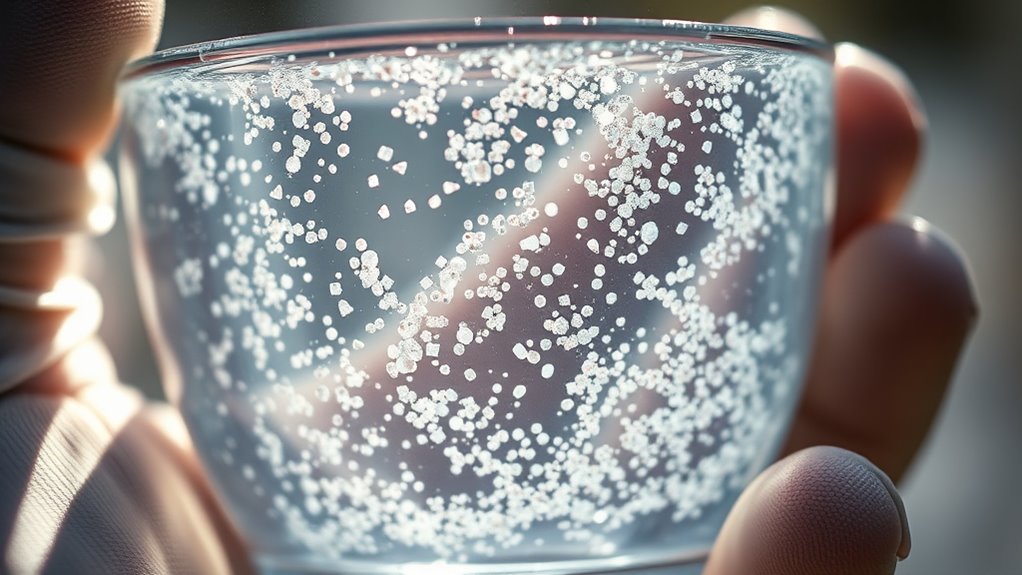

Microplastics are tiny plastic particles found everywhere— in water, air, and even the food you eat. You can accidentally ingest them through seafood or drink contaminated water, and inhale airborne particles indoors or outdoors. These microplastics may cause inflammation, disrupt hormones, and harm your immune system. As their presence grows, it’s important to understand how they impact your health and explore ways to reduce exposure—more details await if you keep exploring.
Key Takeaways
- Microplastics are widespread in water, air, and food, leading to multiple exposure routes for humans.
- Ingesting contaminated seafood and drinking microplastic-laden water can cause health issues.
- Inhalation of airborne microplastics indoors and outdoors poses significant respiratory risks.
- Microplastics can carry toxic chemicals that disrupt hormonal balance and immune functions.
- Reducing exposure through filtration, policy actions, and awareness is essential for public health protection.
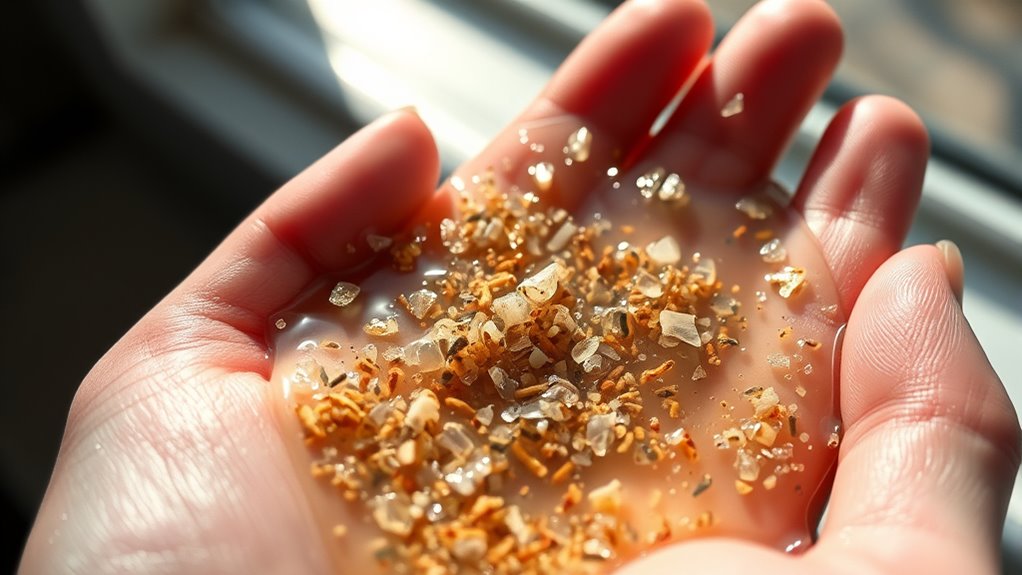
Have you ever wondered how tiny plastic particles, known as microplastics, are infiltrating your environment and potentially your body? These minuscule fragments, often less than five millimeters in size, originate from the breakdown of larger plastic debris or are manufactured for commercial use. They’re now omnipresent in oceans, rivers, soils, and even in the air you breathe. Their pervasive presence raises serious concerns about the microplastics environmental impact, which extends beyond ecosystems to affect human health risks. As microplastics accumulate in water sources and food chains, your exposure becomes almost unavoidable. Marine life ingests these particles, and when you consume seafood, you may be ingesting microplastics directly. Studies have shown that microplastics can accumulate in fish, shellfish, and even drinking water, making their way into your daily diet. This pathway highlights how environmental contamination directly translates into human health risks, emphasizing the urgency of addressing microplastics pollution.
The microplastics environmental impact is profound. They threaten aquatic ecosystems by harming marine organisms, which often mistake these particles for food. This ingestion can cause physical damage, blockages, and even reproductive issues in marine species. Microplastics also act as carriers for toxic chemicals, such as pesticides and heavy metals, which adhere to their surfaces. When marine animals ingest contaminated microplastics, these toxins can bioaccumulate up the food chain, potentially reaching humans. Exposure to these chemicals has been linked to a range of health issues, including hormonal disruptions, immune system impairments, and even increased cancer risks. The tiny size of microplastics allows them to penetrate biological tissues, crossing biological barriers that larger particles cannot, which raises concerns about their direct impact on human health. Additionally, recent research suggests that HEPA filtration technology in air purifiers could help reduce airborne microplastics indoors, potentially lowering inhalation risks.
Your risks increase as microplastics contaminate water supplies, food sources, and even the air you breathe. Consuming contaminated seafood, drinking water from plastic-lined bottles, or inhaling airborne microplastics can introduce these particles into your body. Once inside, they may cause inflammation, oxidative stress, or carry harmful chemicals that disrupt normal cellular functions. While research is ongoing, the potential for microplastics to cause long-term health effects is alarming. Vulnerable populations, such as pregnant women and children, may face higher risks due to their developing systems. Despite the widespread presence of microplastics, awareness about their health implications remains limited, underscoring the need for stringent policies and innovative solutions to limit plastic pollution at its source. Your daily choices and habits play a vital role in reducing exposure and advocating for cleaner, safer environments.
HEPA air purifier for microplastics
As an affiliate, we earn on qualifying purchases.
As an affiliate, we earn on qualifying purchases.
Frequently Asked Questions
Can Microplastics Be Transmitted Through Medical Treatments?
Yes, microplastics can be transmitted through medical treatments. During procedures involving plastic-based devices, such as catheters or syringes, tiny plastic particles may shed and enter your body. These microplastics can potentially accumulate and cause health issues over time. To reduce exposure, healthcare providers should use high-quality, well-maintained plastic devices, and you can ask about alternative materials during treatments to minimize your risk of microplastics ingestion or inhalation.
Are Certain Populations More Vulnerable to Microplastics Exposure?
Yes, vulnerable groups and those facing socioeconomic disparities are more at risk of microplastics exposure. You might live in areas with higher pollution levels or lack access to clean water and healthy food, increasing your chances of ingesting or inhaling microplastics. These populations often have fewer resources to protect themselves or advocate for cleaner environments, making it essential to address these disparities to reduce overall health risks.
How Do Microplastics Affect Wildlife and Ecosystems?
You might think microplastics only affect humans, but they also harm wildlife and ecosystems. Marine absorption of these tiny particles causes animals to ingest them, leading to health issues. Trophic transfer then spreads microplastics through the food chain, impacting predators and entire ecosystems. This ongoing cycle disrupts marine life, threatens biodiversity, and weakens ecosystem resilience—showing the far-reaching consequences of microplastic pollution.
What Are the Long-Term Health Effects of Microplastics?
You might face long-term health effects from microplastics, such as chronic health implications and cellular damage. When you’re exposed, these tiny particles can accumulate in your body over time, potentially disrupting your immune system and causing inflammation. Research suggests that persistent exposure could lead to issues like hormonal imbalances or organ damage. It’s essential to stay informed and minimize contact with microplastics to protect your health now and in the future.
Can Microplastics Be Removed From the Human Body?
Removing microplastics from your body is like trying to catch tiny grains of sand slipping through your fingers. While there’s no specific detoxification method or body cleansing designed for microplastics, staying hydrated and eating fiber-rich foods can support your body’s natural detox process. Currently, medical treatments focus on reducing symptoms, but research is ongoing. You should consult a healthcare professional if you’re concerned about exposure.
water filter pitcher for microplastic removal
As an affiliate, we earn on qualifying purchases.
As an affiliate, we earn on qualifying purchases.
Conclusion
While you might think avoiding plastic bottles or bags is enough, microplastics have already seeped into your food, water, and even the air you breathe. It’s ironic that in our quest for convenience, we’ve created invisible health risks lurking everywhere. So, as you try to stay healthy, remember—our obsession with plastics might be the biggest threat we overlook. Sometimes, the smallest particles cause the biggest problems, and you’re already caught in that silent, plastic trap.
As an affiliate, we earn on qualifying purchases.
As an affiliate, we earn on qualifying purchases.