
TL;DR
Open a free Amazon Business account
Business pricing, bulk buying and tax-exempt orders.
Create a free accountAs an affiliate, we earn on qualifying purchases.
Nairobi County has started a multi-agency Ebola preparedness training to enhance its response capacity. The initiative involves various government and health agencies and aims to prevent a potential outbreak. Details on the scope and timeline are still emerging.
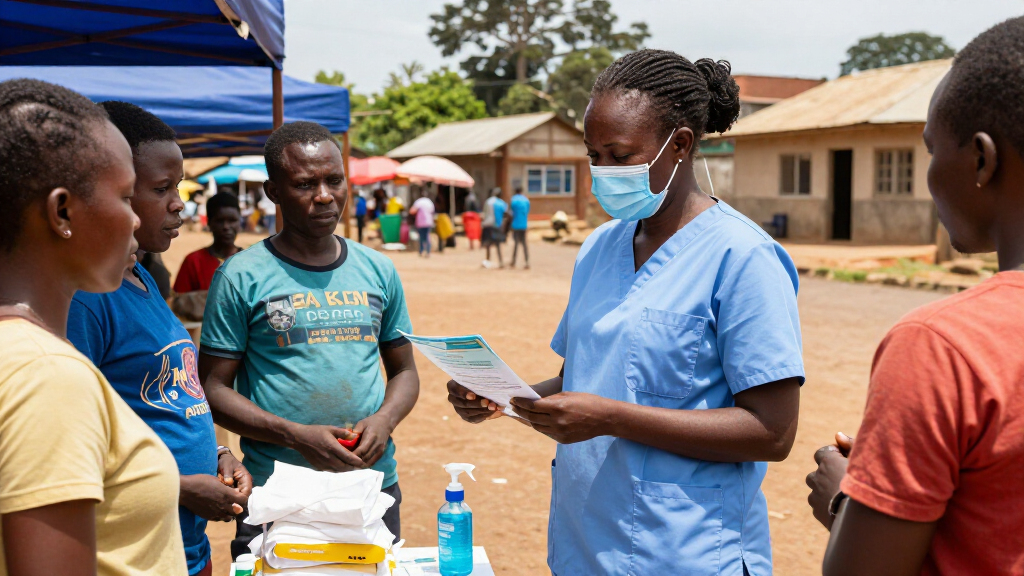
Nairobi County has launched a comprehensive multi-agency Ebola preparedness training aimed at strengthening its public health response capacity. The initiative, involving various government departments and health agencies, is a proactive measure amid rising regional concern over Ebola virus disease outbreaks. While the training is underway, officials have emphasized that no confirmed Ebola cases have been reported in Nairobi or Kenya at large, but the preparedness aims to prevent potential future outbreaks.
The training program was officially launched by Nairobi County authorities in collaboration with national health agencies and international partners. It includes capacity-building workshops, simulation exercises, and resource mobilization efforts designed to improve detection, response, and containment strategies for Ebola. Officials confirmed that the initiative is part of a broader regional effort to enhance disease surveillance and emergency response capabilities.
According to Nairobi County health officials, the training involves key stakeholders such as the Nairobi County Health Department, Kenya Red Cross, Kenya Medical Research Institute (KEMRI), and representatives from the Ministry of Health. The program focuses on strengthening laboratory diagnostics, contact tracing, public awareness, and infection prevention protocols. The training sessions are expected to continue over the coming weeks, with periodic evaluations to assess readiness levels.
While the initiative is a response to regional Ebola concerns, officials stressed that there are currently no confirmed cases in Nairobi or Kenya. The focus remains on preparedness and early detection, given the proximity of recent outbreaks in neighboring countries such as Uganda and the Democratic Republic of Congo. The government has also increased surveillance at border points and health facilities across Nairobi.
Why Nairobi’s Ebola Preparedness Effort Is Critical
This initiative is significant because it demonstrates proactive government action to prevent a potential Ebola outbreak in Nairobi, Kenya’s capital and largest city. Strengthening multi-agency coordination enhances the city’s capacity to detect and respond swiftly to any suspected cases, which is crucial given Nairobi’s dense population and status as a regional hub. Effective preparedness can reduce the risk of widespread transmission, protect public health, and maintain economic stability.
Moreover, this effort aligns with regional health security initiatives and international health regulations aimed at early detection and containment of deadly infectious diseases. The involvement of multiple agencies ensures a comprehensive approach, covering everything from laboratory diagnostics to community engagement, which is essential in managing Ebola outbreaks.
As an affiliate, we earn on qualifying purchases.
Regional Ebola Threats and Kenya’s Preparedness Measures
Over recent months, concern about Ebola has increased regionally, especially following outbreaks in neighboring countries such as Uganda and the Democratic Republic of Congo. These outbreaks have prompted heightened alertness and preparedness activities across East Africa. Kenya, as a major regional economy and transit point, has historically maintained strict health surveillance, but the recent spike in regional cases has prompted additional measures.
In Kenya, there have been no confirmed Ebola cases to date, but the government has prioritized preparedness, including training health workers, stockpiling supplies, and increasing border screening. The current multi-agency training in Nairobi is the latest step, building on previous efforts to strengthen disease surveillance and emergency response capacity.
Experts note that early detection and rapid response are key to preventing Ebola from gaining a foothold in urban centers like Nairobi. The training aims to address gaps identified in previous outbreak responses and ensure all relevant agencies are prepared to act swiftly.
personal protective equipment PPE kit
As an affiliate, we earn on qualifying purchases.
As an affiliate, we earn on qualifying purchases.
Unconfirmed Aspects of the Ebola Preparedness Program
Details about the full scope, specific timeline, and funding sources of the training program remain unclear. It is also not yet confirmed how many health workers and agencies are directly involved or the extent of community engagement planned. Additionally, the effectiveness of the training and the readiness level of facilities across Nairobi have not been independently verified.
Experts and observers are awaiting further updates on the program’s progress and any potential operational challenges that may arise as the training unfolds.
As an affiliate, we earn on qualifying purchases.
Next Steps in Nairobi’s Ebola Readiness Strategy
Following the initial training sessions, officials plan to conduct regular simulation exercises and evaluations to assess preparedness levels. There will likely be ongoing surveillance and monitoring, including public awareness campaigns to educate communities about Ebola symptoms and prevention measures. The government may also update protocols and mobilize additional resources based on initial outcomes.
Authorities have indicated that they will provide periodic updates on the program’s progress and any emerging risks. Strengthening cross-agency coordination and community engagement will remain priorities to ensure rapid response capabilities are maintained at high levels.
infection prevention and control supplies
As an affiliate, we earn on qualifying purchases.
As an affiliate, we earn on qualifying purchases.
Key Questions
Is there an Ebola outbreak in Nairobi or Kenya?
No, there are currently no confirmed Ebola cases in Nairobi or Kenya. The preparedness program is a preventive measure due to regional concerns.
Who is involved in the Ebola preparedness training?
The training involves the Nairobi County Health Department, Kenya Red Cross, Kenya Medical Research Institute (KEMRI), the Ministry of Health, and other regional health agencies.
How will the training improve Ebola response in Nairobi?
The training enhances capacity in areas such as disease detection, contact tracing, laboratory diagnostics, infection control, and community awareness, enabling faster and more coordinated responses.
When will the training be completed?
The program is ongoing, with sessions scheduled over the coming weeks. Further updates on completion are expected as the program progresses.
What should residents do to stay safe?
Residents should stay informed through official channels, practice good hygiene, and report any suspected symptoms of Ebola or unusual illnesses to health authorities promptly.
Source: local
NFL season / tailgating Picks
team gear
As an affiliate, we earn on qualifying purchases.