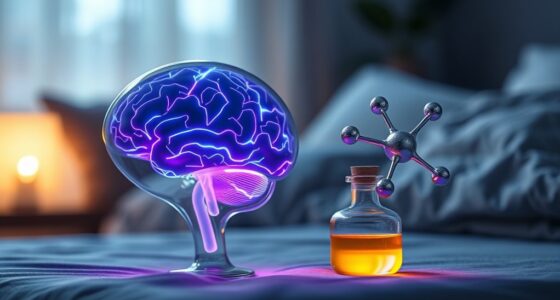
To avoid sleep disruption, timing your caffeine intake is key because its effects depend on how long it stays in your system. If you consume caffeine more than 6 hours before bed, you’re less likely to experience lighter sleep or awakenings. Your individual metabolism also plays a role—slow metabolizers may need to cut off caffeine earlier. Continue exploring to discover personalized strategies for enjoying caffeine without compromising your sleep quality.
Key Takeaways
- Consuming caffeine less than 6 hours before bedtime can significantly disrupt sleep quality.
- Individual caffeine metabolism rates influence how long caffeine stays in your system and affects sleep.
- Slow metabolizers experience longer-lasting caffeine effects, increasing the risk of sleep disturbances from afternoon intake.
- Fast metabolizers clear caffeine more quickly, reducing its impact on sleep even with later consumption.
- Adjusting caffeine timing based on personal response helps maintain healthy sleep patterns while enjoying caffeine.
Have you ever wondered how your morning coffee affects your sleep? The answer lies partly in how your body handles caffeine and how it impacts your sleep cycle. When you consume caffeine, it enters your bloodstream and begins to influence your central nervous system. Your body’s ability to process caffeine—known as caffeine metabolism—varies from person to person. Some people metabolize caffeine quickly, clearing it from their system in just a few hours, while others take much longer. This difference plays an essential role in whether caffeine disrupts your sleep or not. If your body metabolizes caffeine slowly, even a cup in the mid-afternoon can linger in your system and interfere with your ability to fall asleep or stay asleep through the night. Conversely, fast metabolizers might not experience significant sleep disruption from the same afternoon coffee.
Understanding caffeine metabolism helps you grasp why timing matters so much. It’s not just about how much caffeine you drink but also about when you consume it. Caffeine’s half-life—the time it takes for half of the substance to leave your body—is typically around 3 to 5 hours, but it can extend longer depending on your metabolism, age, liver health, and other factors. If you have a slow metabolism, your body could still be processing caffeine long after sunset, making it harder to relax and drift off. For fast metabolizers, the effects may fade quickly enough that evening caffeine consumption isn’t as disruptive. Recognizing your body’s unique response can help you plan your caffeine intake better and avoid unnecessary sleep disruption. Additionally, caffeine metabolism is influenced by genetic factors, which means individual differences can significantly affect how long caffeine stays in your system.
Sleep disruption caused by caffeine isn’t just about difficulty falling asleep; it can also mean lighter sleep, more awakenings, and less restorative rest. When caffeine remains in your system, it blocks the action of adenosine, a neurotransmitter that promotes sleep and relaxation. This interference can lead to a reduced amount of deep sleep and REM sleep, leaving you feeling less refreshed in the morning. If you’re sensitive to caffeine or have a slower metabolism, even small amounts consumed later in the day can have a significant impact on your sleep quality. That’s why timing your caffeine intake—preferably avoiding it at least 6 hours before bedtime—can make a noticeable difference.
In essence, understanding your caffeine metabolism and how it influences sleep disruption empowers you to make smarter choices. It’s not just about cutting out caffeine altogether but about knowing when your body is most vulnerable to its effects. By paying attention to how your body responds and adjusting your consumption accordingly, you can enjoy your coffee without sacrificing the quality of your sleep.

Classic Brands Cool Gel Chill Memory Foam 14-Inch Mattress with 2 BONUS Pillows |CertiPUR-US Certified |Bed-in-a-Box, Queen
Advanced Cooling Gel Memory Foam Mattress: Our bed mattress features a 3.5-inch ventilated cooling gel memory foam layer,...
As an affiliate, we earn on qualifying purchases.
Frequently Asked Questions
Can Decaffeinated Coffee Affect Sleep Similarly to Regular Coffee?
Decaffeinated coffee can still affect your sleep, mainly due to placebo effects and residual caffeine. Although it has less caffeine, some decaffeinated alternatives contain trace amounts that might influence sensitive individuals. Your beliefs about its effects might also play a role, making you more aware of any sleep disruptions. So, if you’re highly sensitive, it’s best to abstain from even decaf late in the day to ensure better sleep quality.
How Does Caffeine Consumption Impact Sleep Quality Over the Long Term?
Your sleep quality can take a nosedive over time with regular caffeine consumption, like a rollercoaster plummeting into chaos. As you build caffeine tolerance, you might not notice sleep disruption as easily, but it still erodes your rest. Long-term, persistent caffeine intake can lead to fragmented sleep and reduced deep sleep stages, making you feel exhausted and less refreshed, even if you don’t realize caffeine is the sneaky culprit.
Does Caffeine Affect Sleep Differently in Older Adults?
Yes, caffeine affects sleep differently in older adults due to age-related metabolic changes and sleep architecture alterations. You might find that caffeine’s stimulating effects last longer and disrupt your sleep more than when you were younger. These changes can make it harder for you to fall asleep and reduce sleep quality. To minimize impact, consider cutting back on caffeine later in the day and adjusting your consumption based on your age-related sensitivities.
Are There Differences in Caffeine’s Effects on Sleep Between Men and Women?
You might be surprised to learn that caffeine affects men and women differently because of hormonal differences and metabolic variations. Women often process caffeine faster during certain phases of their cycle, which can lessen its impact on sleep. Men, on the other hand, may experience more pronounced sleep disturbances. So, your gender could influence how caffeine influences your sleep, making timing and consumption habits essential for better rest.
Can Caffeine Influence Dreams or REM Sleep Duration?
Caffeine can influence your dreams and REM sleep duration by causing dream modulation and REM suppression. When you consume caffeine later in the day, it may reduce REM sleep, leading to fewer vivid dreams or disrupted dream patterns. This occurs because caffeine blocks adenosine receptors, which play a role in REM sleep regulation. So, if you want more restful sleep with vivid dreams, it’s best to limit caffeine intake, especially before bedtime.
Sweetnight CoolNest 14 Inch King Size Mattress, Cooling King Memory Foam Mattress for Cool Night Sleep, 5-Zone Ergo Support for Pressure Relief, Medium, CertiPUR-US Certified
CoolNest System for a Cooler Night - The CoolNest 14 inch king size mattress features our innovative CoolNest...
As an affiliate, we earn on qualifying purchases.
Conclusion
Remember, timing your caffeine intake is vital—miss it, and you might as well invite insomnia to set up camp in your mind forever. By being mindful of when you sip that coffee, you can enjoy its energizing benefits without turning your sleep into a battle you can’t win. So, think of it like a finely tuned orchestra: when you hit the right notes, you’ll sleep soundly and wake up ready to conquer the day.

HydroSnooze Water Cooling & Heating Mattress Pad: Bed Cooling System for Hot Sleepers. Temp Range 59-131°F. Half King/TwinXL Size 36" W x 79" L. Use Two for Dual Zone Temp Control on 71"x79" Beds.
Experience ultimate comfort with the COOLING MATTRESS PAD FOR HOT SLEEPERS, designed to regulate temperature for a perfect...
As an affiliate, we earn on qualifying purchases.

Adamson B10 Aqua Cooling System - Twin 75” L x 39” W - New - 100% Cotton Mattress Cooling Pad for Night Sweats - Water Cooler Ideal for Hot Sleepers - 5-Year Assurance
KEEP YOUR BODY COOL: Thanks to an ingenious system using the principle of evaporative cooling, this bed cooler...
As an affiliate, we earn on qualifying purchases.