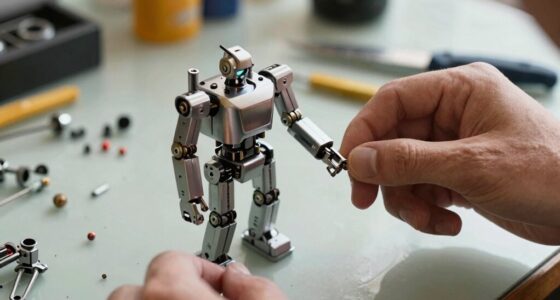

To make engineering play more open-ended, focus on fostering curiosity and providing versatile materials like blocks, recycled items, or tools without fixed blueprints. Encourage experimentation, problem-solving, and creative exploration by asking questions like “What can you create?” and emphasizing process over perfect results. Create a flexible environment that adapts to spontaneous ideas and values learning from failure. Keep exploring these strategies to open up endless possibilities in engineering play and inspire innovation.

Get health and wellness essentials delivered free — and shop member deals
- Fast, free delivery on millions of items
- Access to Prime Big Deal Days deals on October 6–7
- Prime Video, Amazon Music and more included
Key Takeaways
- Provide a variety of loose materials and avoid specific blueprints to encourage creative experimentation.
- Use open-ended questions like “What can you create?” to inspire exploration beyond predefined outcomes.
- Foster collaboration by designing challenges that require teamwork, sharing ideas, and building on each other’s suggestions.
- Normalize failure as part of learning, celebrating attempts and setbacks as opportunities for growth.
- Create a flexible, adaptable environment that values curiosity, spontaneous ideas, and continuous exploration.
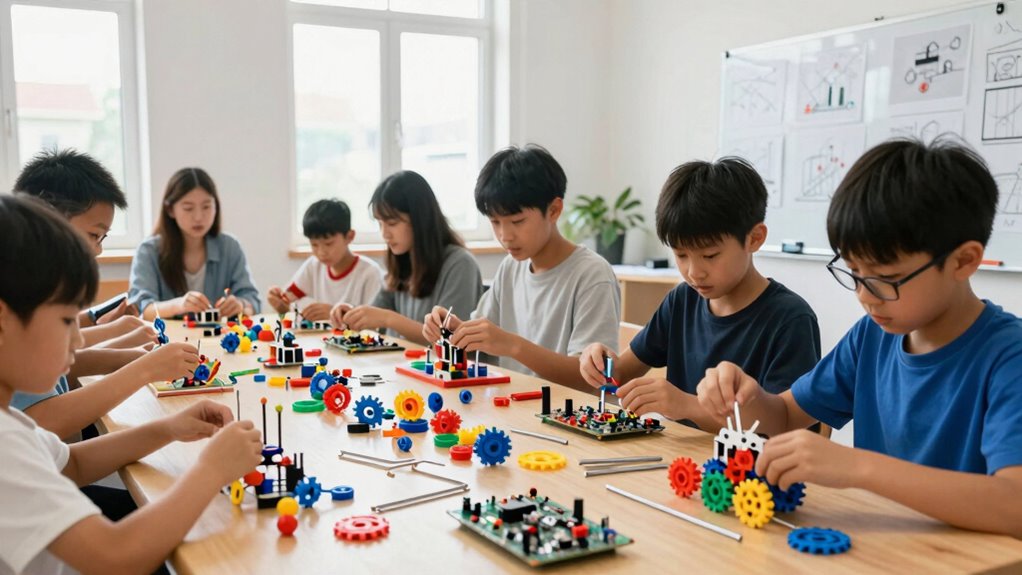
Engineering play often benefits from open-ended exploration, but it can feel constrained by rigid instructions or predefined outcomes. When you focus solely on step-by-step directions, you limit the natural curiosity and inventive spirit that drive true innovation. To make engineering play more open-ended, you need to foster an environment where creative collaboration thrives, and innovative problem solving becomes the goal rather than just completing a task. By shifting your approach, you encourage a mindset where children or participants are free to experiment, fail, and refine their ideas without fear of being wrong.
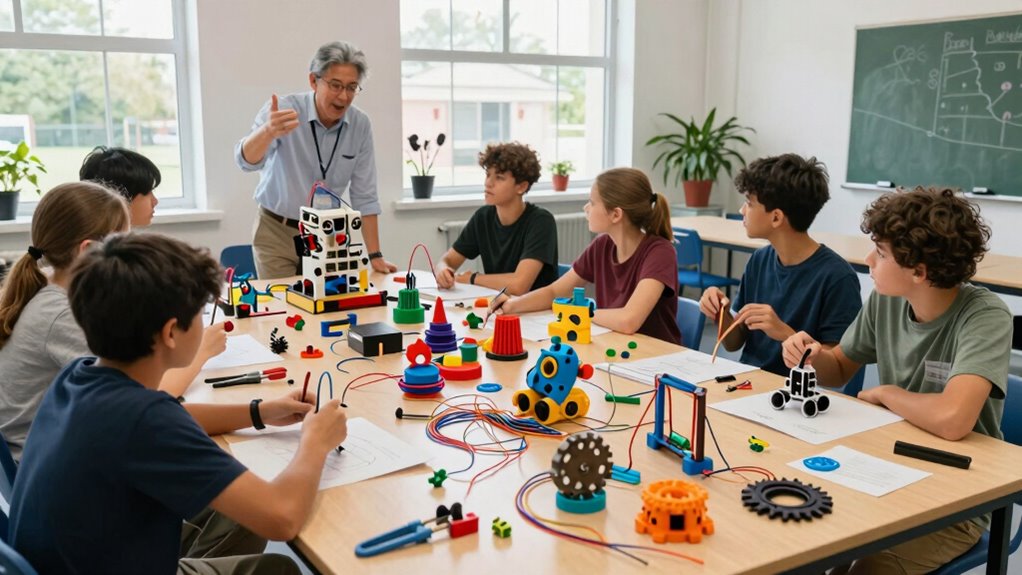
One way to do this is by providing loose materials and inviting open-ended questions. Instead of giving specific blueprints, offer a variety of building supplies—such as blocks, recycled materials, or simple tools—and ask, “What can you create with these?” This encourages participants to think beyond traditional solutions and come up with unique designs. As they experiment, they develop their problem-solving skills naturally, learning to troubleshoot and adapt as challenges arise. Your role becomes more of a facilitator than a director, guiding them to explore different possibilities and encouraging their innate creativity. Incorporating creative problem solving techniques can further enhance their ability to think outside the box.
Creating opportunities for creative collaboration is essential. When people work together, they bring diverse perspectives that can spark innovative ideas. Encourage teamwork by setting challenges that require collective effort. For example, ask groups to design a device that accomplishes a goal, like launching a small object or supporting weight. Emphasize the importance of sharing ideas, listening to others, and building on each other’s suggestions. This collaborative process not only fuels innovation but also helps participants understand that multiple solutions exist, fostering a flexible approach to problem solving. Additionally, incorporating natural materials can stimulate further creativity by connecting participants with the environment and inspiring sustainable design ideas.
To further enhance open-ended engineering play, normalize the idea that failure is just part of the process. Celebrate attempts and learning moments rather than just successful outcomes. When participants realize that setbacks are opportunities to learn, they become more willing to take risks and think creatively. This mindset shift supports innovative problem solving because it removes fear and encourages experimentation. Recognizing that emerging trends influence how we approach challenges can also inspire new methods and ideas. Cultivating an environment where curiosity leads guides participants to embrace continuous learning and adaptation.
Finally, keep your environment flexible and adaptable. Allow space for spontaneous ideas and modifications. Sometimes the best solutions come from unexpected twists in the process. When you create a space where curiosity is valued over perfection, you nurture an atmosphere conducive to open-ended engineering play. This approach not only sparks creativity and collaboration but also helps participants develop critical thinking skills that will serve them well beyond the play setting.
building blocks for open-ended engineering play
As an affiliate, we earn on qualifying purchases.
As an affiliate, we earn on qualifying purchases.
Frequently Asked Questions
How Can Open-Ended Engineering Play Be Scaled for Large Classrooms?
You can scale open-ended engineering play in large classrooms by organizing students into small, collaborative design teams. Encourage creative problem solving through structured yet flexible projects, and provide shared resources like design kits and digital tools. Use peer mentoring and rotating roles to foster teamwork and guarantee everyone participates. Incorporate technology for real-time collaboration, and set clear goals to keep students focused while allowing plenty of room for innovative thinking.
What Safety Considerations Are Involved in Open-Ended Engineering Activities?
You need to prioritize risk management and establish clear safety protocols before starting open-ended engineering activities. Always supervise students closely, guarantee they wear protective gear like goggles and gloves, and use age-appropriate tools. Set rules for handling materials safely, and prepare for emergencies with first aid kits and emergency plans. Regularly review safety procedures with students to minimize risks and create a secure environment for creative exploration.
How Do I Assess Student Learning in Open-Ended Engineering Projects?
You can assess student learning in open-ended engineering projects by observing their problem-solving processes and documenting their reflections. Use formative assessments like check-ins and peer reviews to gauge understanding, and encourage students to articulate their design choices. Learning evaluation should focus on creativity, critical thinking, and collaboration. Emphasize growth and effort over just the final product, fostering a supportive environment where students feel comfortable exploring and innovating.
What Age Groups Benefit Most From Open-Ended Engineering Play?
You’ll find that early elementary children benefit most from open-ended engineering play, as it supports their child development and boosts cognitive skills. During this stage, kids explore ideas freely, fostering creativity and problem-solving. Older children also gain from it, but younger ones develop foundational skills best through open-ended activities. Engaging in such play helps children build confidence, encourages curiosity, and enhances their understanding of engineering concepts in a fun, meaningful way.
How Can Open-Ended Engineering Play Incorporate Sustainable Practices?
Think of open-ended engineering play as tending a garden, where sustainable design and eco-friendly materials are your seeds. You can encourage children to craft structures using recycled or biodegradable materials, fostering eco-conscious thinking. Challenge them to invent solutions that minimize waste and energy use, teaching sustainability through hands-on experimentation. This way, your play becomes a nurturing space for future innovators committed to protecting the environment.
recycled materials for STEM activities
As an affiliate, we earn on qualifying purchases.
As an affiliate, we earn on qualifying purchases.
Conclusion
By opening the doors to endless possibilities, you turn engineering play into a boundless universe of discovery. Think of it as planting a garden where ideas grow wild and free, each twist and turn revealing new marvels. When you encourage curiosity and exploration, you’re not just guiding a project — you’re igniting a spark that can light up entire worlds. Embrace the chaos, nurture the wonder, and watch your engineering playground flourish into a vibrant cosmos of innovation.
As an affiliate, we earn on qualifying purchases.
kids engineering experiment kits
As an affiliate, we earn on qualifying purchases.
As an affiliate, we earn on qualifying purchases.
Fall Picks
fall essentials
As an affiliate, we earn on qualifying purchases.