

The best health history books pair compelling storytelling with a clear account of how disease, medicine, and society shaped one another. I name The Emperor of All Maladies the best overall for its sweeping, readable history of cancer, while Medical Apartheid stands out for confronting medical abuse and Medicine: The Definitive Illustrated History for readers who prefer a visual survey. The main tradeoff is between broad coverage and a focused subject: a panoramic account offers range, while a book about one disease or group can offer greater depth. Readers should also decide whether they want narrative history, scientific context, or a closer look at ethics and power. Read on for the full breakdown and a guide to matching a book to your interests.

Get health and wellness essentials delivered free with Prime
- Fast, free delivery on millions of items
- Prime Video, Amazon Music and more included
- Member-only deals all year
Key Takeaways
- The Emperor of All Maladies leads for readers seeking a single, narrative-driven work that connects cancer science with its social history.
- Medical Apartheid and Women in White Coats foreground whose experiences and contributions medical histories have often left out, but they focus on different forms of exclusion.
- Medicine: The Definitive Illustrated History is the broadest visual starting point; it offers more historical range than the disease-specific books, but less room for one subject’s full story.
- Patient Zero and Everything Is Tuberculosis center infectious disease, while The Story of the Human Body and Survival of the Sickest connect health to evolution in distinct ways.
- A History of Global Health, All in Her Head, and The Gene suit readers interested in systems, gender, or genetics rather than a general survey of medicine.
| Patient Zero: A Curious History of the World’s Worst Diseases |  | Best for Disease History | Title: Patient Zero: A Curious History of the World’s Worst Diseases | Subject: History of disease | Focus: Origins and societal impact of devastating diseases | VIEW LATEST PRICE | See Our Full Breakdown |
| The Emperor of All Maladies: A Biography of Cancer |  | Best Overall for Cancer History | Title: The Emperor of All Maladies: A Biography of Cancer | Subject: Cancer | Format: Book | VIEW LATEST PRICE | See Our Full Breakdown |
| Women in White Coats: How the First Women Doctors Changed the World of Medicine |  | Best for Women’s Medical History | Title: Women in White Coats: How the First Women Doctors Changed the World of Medicine | ASIN: 0778311988 | Format: Book | VIEW LATEST PRICE | See Our Full Breakdown |
| Medical Apartheid: The Dark History of Medical Experimentation on Black Americans from Colonial Times to the Present |  | Best for Examining Medical Injustice | Title: Medical Apartheid: The Dark History of Medical Experimentation on Black Americans from Colonial Times to the Present | ASIN: 076791547X | Format: Book | VIEW LATEST PRICE | See Our Full Breakdown |
| Medicine: The Definitive Illustrated History |  | Best Visual Overview | Title: Medicine: The Definitive Illustrated History | ASIN: 1465453415 | Series: DK Definitive Visual Histories | VIEW LATEST PRICE | See Our Full Breakdown |
| Everything Is Tuberculosis: The History and Persistence of Our Deadliest Infection |  | Best for a Focused Disease History | Title: Everything Is Tuberculosis: The History and Persistence of Our Deadliest Infection | ASIN: B0DK2G4D48 | Subject: Tuberculosis | VIEW LATEST PRICE | See Our Full Breakdown |
| The Story of the Human Body: Evolution, Health, and Disease | 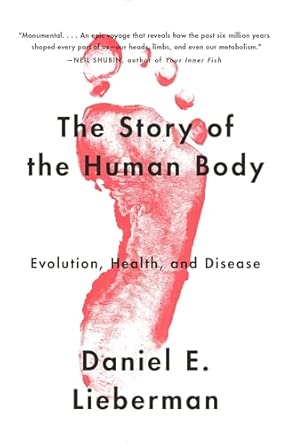 | Best for Evolution and Health | Title: The Story of the Human Body: Evolution, Health, and Disease | ASIN: 030774180X | Subject: The human body | VIEW LATEST PRICE | See Our Full Breakdown |
| All in Her Head: The Truth and Lies Early Medicine Taught Us About Women’s Bodies and Why It Matters Today |  | Best for Medical Bias and Women’s Health | Title: All in Her Head: The Truth and Lies Early Medicine Taught Us About Women’s Bodies and Why It Matters Today | ASIN: 0063293013 | Author credential: Memorial Sloan Kettering MD | VIEW LATEST PRICE | See Our Full Breakdown |
| The Gene: An Intimate History |  | Best for Genetics and Medicine | Title: The Gene: An Intimate History | ASIN: 147673352X | Subject: The gene | VIEW LATEST PRICE | See Our Full Breakdown |
| A History of Global Health: Interventions into the Lives of Other Peoples |  | Best for Global Health and Intervention History | Title: A History of Global Health: Interventions into the Lives of Other Peoples | ASIN: 1421420333 | Subject: Global health | VIEW LATEST PRICE | See Our Full Breakdown |
| Survival of the Sickest: The Surprising Connections Between Disease and Longevity |  | Best for Rethinking Disease and Evolution | Format: Book | Title: Survival of the Sickest: The Surprising Connections Between Disease and Longevity | ASIN: 0060889667 | VIEW LATEST PRICE | See Our Full Breakdown |
| health history book | Title | Subject | Format | ASIN |
|---|---|---|---|---|
| Patient Zero: A Curious Histor | Patient Zero: A Curious History of the World’s Worst Diseases | History of disease | — | — |
| The Emperor of All Maladies: A | The Emperor of All Maladies: A Biography of Cancer | Cancer | Book | — |
| Women in White Coats: How the | Women in White Coats: How the First Women Doctors Changed the World of Medicine | Pioneering women doctors | Book | 0778311988 |
| Medical Apartheid: The Dark Hi | Medical Apartheid: The Dark History of Medical Experimentation on Black Americans from Colonial Times to the Present | Medical experimentation on Black Americans | Book | 076791547X |
| Medicine: The Definitive Illus | Medicine: The Definitive Illustrated History | History of medicine | Illustrated history book | 1465453415 |
| Everything Is Tuberculosis: Th | Everything Is Tuberculosis: The History and Persistence of Our Deadliest Infection | Tuberculosis | Not specified in supplied product data | B0DK2G4D48 |
| The Story of the Human Body: E | The Story of the Human Body: Evolution, Health, and Disease | The human body | Not specified in supplied product data | 030774180X |
| All in Her Head: The Truth and | All in Her Head: The Truth and Lies Early Medicine Taught Us About Women’s Bodies and Why It Matters Today | Women’s bodies and healthcare | — | 0063293013 |
| The Gene: An Intimate History | The Gene: An Intimate History | The gene | Not specified in supplied product data | 147673352X |
| A History of Global Health: In | A History of Global Health: Interventions into the Lives of Other Peoples | Global health | Not specified in supplied product data | 1421420333 |
| Survival of the Sickest: The S | Survival of the Sickest: The Surprising Connections Between Disease and Longevity | — | Book | 0060889667 |
More Details on Our Top Picks
Patient Zero: A Curious History of the World’s Worst Diseases
Disease-focused and story-led, this book traces how devastating illnesses began and shaped human societies. Its mix of historical context and epidemiological insight makes it a strong choice for readers who want to understand disease as more than a list of symptoms or discoveries. Compared with The Emperor of All Maladies, which stays with cancer across its history, Patient Zero offers a broader look across diseases, though that range means it cannot give each one the same sustained treatment. The vivid approach helps make medical history accessible, but descriptions of illness may feel graphic. I’d choose it for a wide-ranging account of disease and society; readers seeking a focused, detailed history of one condition may prefer Mukherjee’s cancer narrative.
Pros:- Connects disease origins with historical and social effects
- Pairs scientific insight with vivid storytelling
- Covers multiple devastating diseases rather than a single condition
Cons:- Graphic descriptions may unsettle sensitive readers
- Its broad scope offers less sustained focus on any one disease
Best for: Readers interested in how outbreaks and major diseases have influenced societies, with enough scientific context to follow the history.
Not ideal for: Readers who are sensitive to graphic illness descriptions or want an in-depth account of one disease rather than a broad survey.
- Title:Patient Zero: A Curious History of the World’s Worst Diseases
- Subject:History of disease
- Focus:Origins and societal impact of devastating diseases
- Approach:Historical analysis, scientific insight, and narrative storytelling
- Audience:Readers interested in medical history and epidemiology
- Content note:May include unsettling graphic details
Our verdict“Choose this for an engaging, cross-disease account of how illness shaped history, but pick <em>The Emperor of All Maladies</em> for a more focused study.”
The Emperor of All Maladies: A Biography of Cancer
A sustained history of one disease, this book brings cancer’s science, changing treatments, and human stories into a single narrative. Its depth makes it the strongest pick here for readers who want to follow how medical understanding developed over time, rather than survey many illnesses. Against Patient Zero, it trades breadth for a more concentrated account; that focus gives cancer’s history room to unfold but makes the book a less natural choice for readers seeking a general introduction to health history. The scientific material can be dense, so casual readers may find its pace demanding. I’d put it first for depth and human context, while readers wanting a more visual, browseable overview may be better served by Medicine: The Definitive Illustrated History.
Pros:- Combines cancer history with scientific developments
- Uses personal stories to humanize medical research
- Offers a sustained account of changing understanding and treatment
- Recognized with a Pulitzer Prize
Cons:- Dense scientific passages may challenge casual readers
- Its focus on cancer leaves other areas of health history aside
Best for: Readers prepared for a detailed, narrative history of cancer that combines medical developments with personal accounts.
Not ideal for: Casual readers looking for a short, lightly technical survey of many areas of medicine.
- Title:The Emperor of All Maladies: A Biography of Cancer
- Subject:Cancer
- Format:Book
- Coverage:History, science, and treatment of cancer
- Narrative elements:Medical research and personal accounts
- Recognition:Pulitzer Prize-winning
- Reading level:Includes detailed scientific material
Our verdict“Choose this for a detailed, human-centered history of cancer; choose <em>Patient Zero</em> for broader coverage of disease.”
Women in White Coats: How the First Women Doctors Changed the World of Medicine
People and barriers take center stage in this history of pioneering women doctors and their influence on medicine. Rather than organizing the story around a disease, it looks at who could enter the profession and how women shaped science and medical power. That makes it a useful counterpoint to The Emperor of All Maladies, which follows a disease through research and treatment, and to Medical Apartheid, which examines racial injustice in medicine. The supplied description gives little detail about the book’s scope or specific figures, so I can’t rank it as a broad survey of medical history. It is the more focused choice for readers seeking women’s contributions, but readers wanting extensive disease science should look elsewhere.
Pros:- Centers women doctors often left out of broad medical narratives
- Connects scientific work with questions of power
- Offers a biographical lens on changes in medicine
Cons:- The supplied description does not identify the specific doctors covered
- Its focus on pioneering women doctors limits coverage of wider medical history
Best for: Readers seeking a history centered on pioneering women physicians and the ways gender shaped access to medical science and authority.
Not ideal for: Readers who want a detailed history of diseases, treatments, or the medical profession as a whole.
- Title:Women in White Coats: How the First Women Doctors Changed the World of Medicine
- ASIN:0778311988
- Format:Book
- Genre:Historical biography
- Subject:Pioneering women doctors
- Themes:Science and power
Our verdict“Choose this for a people-centered account of women’s influence on medicine, not as a general guide to disease history.”
Medical Apartheid: The Dark History of Medical Experimentation on Black Americans from Colonial Times to the Present
Medical history told through institutional harm, this book traces experimentation on Black Americans from colonial times to the present and examines its effects on Black communities. Its explicit focus makes it a challenging but essential contrast to disease-centered titles such as Patient Zero: rather than asking how illness shaped society, it asks how medicine and its practices harmed people. It also differs from Women in White Coats, which centers women’s entry into the profession and influence on science. This is the strongest fit for readers seeking a history of racial injustice in medicine, but its subject matter is disturbing and its narrow focus does not serve as a general survey of medical discoveries. The supplied details do not specify format beyond book or describe the narrative approach.
Pros:- Traces the subject from colonial times through the present
- Centers the impact of medical practices on Black communities
- Makes medical power and racial injustice central to the history
Cons:- The subject matter may be distressing
- Its focused scope does not cover medical history as a general survey
Best for: Readers seeking a historically grounded account of medical experimentation on Black Americans and its impact on Black communities.
Not ideal for: Readers looking for a broad, neutral survey of medical advances or who want to avoid histories of exploitation and harm.
- Title:Medical Apartheid: The Dark History of Medical Experimentation on Black Americans from Colonial Times to the Present
- ASIN:076791547X
- Format:Book
- Subject:Medical experimentation on Black Americans
- Historical span:Colonial times to the present
- Focus:Effects on Black communities and the history of medicine
Our verdict“Choose this for a direct history of racial injustice in American medicine, rather than a broad overview like <em>Medicine: The Definitive Illustrated History</em>.”
Medicine: The Definitive Illustrated History
Visual browsing is its clearest distinction: this DK title belongs to the Definitive Visual Histories series and is described as an illustrated history of medicine. That format makes it the most natural pick here for readers who prefer images and a broad overview to a sustained narrative. Compared with The Emperor of All Maladies, it is positioned around medicine as a whole rather than one disease, though the supplied details do not confirm its precise topics, chronology, or level of detail. The limited product information is a real drawback: I can recommend it for its illustrated format, but not claim particular coverage or depth. Readers focused on disease and social impact may get clearer subject guidance from Patient Zero.
Pros:- Illustrated format suits readers who prefer visual reference
- Presents medicine as a broad subject rather than focusing on one disease
- Part of DK’s Definitive Visual Histories series
Cons:- Available product details do not specify topics, chronology, or depth
- An illustrated overview may not provide the sustained narrative of The Emperor of All Maladies
Best for: Visual learners and casual readers who want an illustrated overview of medicine rather than a single-disease narrative.
Not ideal for: Readers who need confirmed coverage of a specific disease, historical period, or detailed scientific subject.
- Title:Medicine: The Definitive Illustrated History
- ASIN:1465453415
- Series:DK Definitive Visual Histories
- Format:Illustrated history book
- Subject:History of medicine
- Known format feature:Illustrated
Our verdict“Choose this for a visual, broad-format starting point, but opt for <em>Patient Zero</em> if you want a clearly described disease-history narrative.”
Everything Is Tuberculosis: The History and Persistence of Our Deadliest Infection
Everything Is Tuberculosis takes a single disease as its lens for examining medical history and the reasons an old infection remains a present-day concern. That focused approach distinguishes it from Patient Zero: A Curious History of the World’s Worst Diseases, which ranges across multiple illnesses; readers who want one sustained story may find this narrower scope more coherent. The title also signals an emphasis on persistence, not just past outbreaks, giving the subject a connection to current health challenges. The tradeoff is breadth: this is not a general survey of medicine, and readers seeking a wide-ranging account of many diseases should choose Patient Zero instead. With no supplied details about format or supplementary material, I would pick it for its clearly defined subject rather than for assumed extras.
Pros:- Keeps its focus on one disease, allowing a sustained historical account.
- Connects tuberculosis’s history with its persistence as a health issue.
- A clear subject choice for readers interested in infectious disease.
- Offers a narrower alternative to Patient Zero’s multi-disease scope.
Cons:- Its single-disease focus offers less breadth than books surveying multiple illnesses.
- The supplied information does not specify reading level, structure, or supporting materials.
Best for: Readers who want a disease-centered history linking tuberculosis’s past with its continued presence.
Not ideal for: Readers seeking a broad survey of medical history or a book covering many diseases rather than one infection.
- Title:Everything Is Tuberculosis: The History and Persistence of Our Deadliest Infection
- ASIN:B0DK2G4D48
- Subject:Tuberculosis
- Focus:The history and persistence of tuberculosis
- Book category:Health history
- Format:Not specified in supplied product data
Our verdict“Choose this for a sustained history of tuberculosis, but pick Patient Zero if you want a wider tour of disease.”
The Story of the Human Body: Evolution, Health, and Disease
The Story of the Human Body approaches health history through the long relationship between human evolution, health, and disease. That makes it a useful counterpoint to The Gene: An Intimate History: the latter centers on heredity, while this title’s stated scope is the body and its health across evolutionary time. It suits readers who want historical context for how human bodies and illness relate, rather than a chronological account of medical institutions or a single disease. The broad framing can also be a limitation: buyers looking for a focused narrative about one condition may prefer Everything Is Tuberculosis. The supplied data gives no author, edition, or format details, so I would choose it on the strength of its stated subject rather than expect a particular level of technical detail.
Pros:- Explicitly links evolution, health, and disease.
- Offers a body-centered lens distinct from The Gene’s emphasis on heredity.
- Broad subject framing can connect biological history with present-day health questions.
Cons:- Its wide scope may be less satisfying for readers who want one disease or medical episode explored in depth.
- The supplied product information does not identify author, edition, format, or reading level.
Best for: Readers interested in how human evolution connects to health and disease, especially those who want a broad biological perspective.
Not ideal for: Readers seeking a focused disease biography, a history of medical institutions, or a book with a specified level of technical depth.
- Title:The Story of the Human Body: Evolution, Health, and Disease
- ASIN:030774180X
- Subject:The human body
- Stated themes:Evolution, health, and disease
- Book category:Health history
- Format:Not specified in supplied product data
Our verdict“Pick this for an evolutionary perspective on health and disease, not for a narrowly focused medical history.”
All in Her Head: The Truth and Lies Early Medicine Taught Us About Women’s Bodies and Why It Matters Today
All in Her Head examines how early medicine misrepresented women’s bodies and how those ideas continue to shape healthcare. Its specific focus on gendered medical bias gives it a different purpose from Women in White Coats, which centers on women doctors and their place in medical history. The book’s author credential—a Memorial Sloan Kettering MD—adds a medical-professional perspective to its historical critique, while the connection to present-day care gives the history clear stakes. The tradeoff is that this is a focused account rather than a general health-history survey, and the supplied information warns that its historical context may feel dense to casual readers. I would choose it for a reader interested in how medical assumptions affect women’s care, not as a broad introduction to every area of medicine.
Pros:- Critically examines historical misrepresentation of women’s bodies.
- Connects past medical beliefs with present-day healthcare issues.
- Written by a Memorial Sloan Kettering MD.
- Provides a distinct focus from Women in White Coats’ history of women doctors.
Cons:- The historical context may feel dense for casual readers.
- Its focused subject leaves other areas of health history outside its scope.
Best for: Readers interested in women’s health, historical medical bias, and the links between past assumptions and current healthcare.
Not ideal for: Casual readers seeking a light, broad survey of medical history or readers who prefer minimal historical detail.
- Title:All in Her Head: The Truth and Lies Early Medicine Taught Us About Women’s Bodies and Why It Matters Today
- ASIN:0063293013
- Author credential:Memorial Sloan Kettering MD
- Subject:Women’s bodies and healthcare
- Historical focus:Early medicine’s misrepresentation of women’s bodies
- Contemporary focus:The continuing effects of historical misconceptions on healthcare
- Book category:Health history
Our verdict“Choose this for a historically grounded account of bias in women’s healthcare, especially if you want connections to current practice.”
The Gene: An Intimate History
The Gene: An Intimate History is the pick in this group for readers who want a history organized around heredity and genetics. That focus separates it from The Story of the Human Body, whose stated scope links evolution to health and disease more broadly. It also provides a different scale from Everything Is Tuberculosis: rather than tracing one infection, this title takes the gene as its central subject. That makes it a natural choice for readers drawn to the history of biological ideas and their medical significance. The tradeoff is that genetics is a specific route into health history, not a general account of disease, clinical practice, or global health interventions. The supplied data includes no description or format details, so readers looking for a particular style or level of technical explanation will need to verify those details separately.
Pros:- Gives genetics and heredity a clear central place in health history.
- Offers a distinct subject from The Story of the Human Body’s broader evolution-and-health framing.
- Provides an alternative to disease-specific histories such as Everything Is Tuberculosis.
Cons:- Its genetics-centered scope does not serve as a general survey of medical history.
- The supplied product data provides no description, author credential, or format information.
Best for: Readers interested in the history of genetics and heredity as a lens on medicine and health.
Not ideal for: Readers who want a broad history of healthcare, a focused account of a particular disease, or confirmed details about style and format.
- Title:The Gene: An Intimate History
- ASIN:147673352X
- Subject:The gene
- Stated framing:An intimate history
- Book category:Health history
- Format:Not specified in supplied product data
Our verdict“Choose this if genetics is your main interest; readers seeking disease or healthcare-system history should select a more focused match.”
A History of Global Health: Interventions into the Lives of Other Peoples
A History of Global Health: Interventions into the Lives of Other Peoples stands apart by making international health efforts and their effects on communities the subject. That emphasis differs from Medical Apartheid, which focuses on medical experimentation on Black Americans, and from All in Her Head, which examines bias in women’s healthcare. This is the strongest match here for readers interested in how health interventions reach people around the world, rather than in a single disease or a biological topic such as genetics. The title’s emphasis on interventions also signals a historical lens on power and outside involvement, not simply a survey of medical discoveries. Its tradeoff is scope: readers after an accessible introduction to everyday medical history may find this narrower institutional and global perspective less suited to their needs. The supplied description offers no author, format, or reading-level details.
Pros:- Centers global health interventions and their effects on other populations.
- Offers a perspective distinct from the disease, genetics, and gender-bias titles in this group.
- Provides a clear fit for readers interested in the history of international health efforts.
Cons:- Its intervention-centered scope is narrower than a general history of medicine.
- The supplied product data does not specify author, format, or reading level.
Best for: Readers studying global health, international interventions, and how outside health efforts affect communities.
Not ideal for: Readers seeking a general introduction to medicine, a disease-focused narrative, or a history centered on one country or patient group.
- Title:A History of Global Health: Interventions into the Lives of Other Peoples
- ASIN:1421420333
- Subject:Global health
- Historical focus:Interventions into the lives of people around the world
- Book category:Health history
- Format:Not specified in supplied product data
Our verdict“Choose this for a history of global health interventions and their impact on communities, rather than for a general medical-history survey.”
Survival of the Sickest: The Surprising Connections Between Disease and Longevity
Survival of the Sickest takes a provocative route through health history, asking how traits and conditions that seem harmful may have offered advantages in particular environments. That focus makes it a useful counterpoint to The Story of the Human Body, which offers a broader account of how evolution shapes health, and to The Emperor of All Maladies, which follows one disease through its history. Here, the connective thread is the uneasy relationship between sickness, survival, and adaptation.
The book suits readers who enjoy explanatory science and bold historical connections more than a chronological survey of medicine. Its tradeoff is that its argument-driven approach offers less coverage of medical institutions, clinical practice, and disease history across societies than Medicine: The Definitive Illustrated History. Readers seeking a broad reference or a tightly focused account of one illness may prefer those alternatives.
Pros:- Organizes health history around memorable connections between disease and survival.
- Links evolutionary ideas to questions about human health and longevity.
- Offers a focused alternative to broader surveys such as Medicine: The Definitive Illustrated History.
- Works well for readers drawn to explanatory popular science rather than a reference-style account.
Cons:- Its selective, argument-led scope does not provide a comprehensive history of medicine.
- Readers looking for detailed coverage of medical institutions or healthcare across cultures may need another book.
- Its emphasis on provocative connections may not suit readers who prefer a strictly chronological narrative.
Best for: Curious general readers who want a science-led account of how disease, human adaptation, and longevity can intersect.
Not ideal for: Readers seeking a chronological overview of medicine, a global history of healthcare, or a detailed history of one specific disease.
- Format:Book
- Title:Survival of the Sickest: The Surprising Connections Between Disease and Longevity
- ASIN:0060889667
Our verdict“Choose this for an engaging, evolution-centered take on disease and longevity, but pick a broader survey if you want medical history across eras and societies.”

How We Picked
I compared these books by the questions readers are likely to bring to health history: how medicine developed, how disease shaped daily life, who benefited or was harmed, and how scientific ideas changed over time. I also weighed readability, scope, the book’s emphasis on historical context, and whether its subject offers a useful entry point for a first-time reader or a more focused follow-up. The list spans broad surveys, disease histories, biographies of scientific ideas, and accounts of medical power so readers can see where each approach fits.
The ranking reflects versatility and usefulness as a starting recommendation, not a claim that one subject matters more than another. The Emperor of All Maladies ranks first for combining a substantial medical subject with a wide historical narrative. More specialized books rank lower as general picks but may be the strongest choice for readers seeking a particular perspective, such as racial injustice, women’s health, global health policy, or infectious disease. I also accounted for format and scope: an illustrated survey can orient readers quickly, while a tightly focused history can reward readers who already know what they want to explore.
| health history book | Format |
|---|---|
| Patient Zero: A Curious Histor | — |
| The Emperor of All Maladies: A | Book |
| Women in White Coats: How the | Book |
| Medical Apartheid: The Dark Hi | Book |
| Medicine: The Definitive Illus | Illustrated history book |
| Everything Is Tuberculosis: Th | Not specified in supplied product data |
| The Story of the Human Body: E | Not specified in supplied product data |
| All in Her Head: The Truth and | — |
| The Gene: An Intimate History | Not specified in supplied product data |
| A History of Global Health: In | Not specified in supplied product data |
| Survival of the Sickest: The S | Book |
Factors to Consider When Choosing Best Health History Books
Choosing among health history books is less about finding one definitive account and more about choosing the lens you want to use. I’d start with your interest in subject, scope, and style, then check whether the book’s central question matches what you hope to learn.
Choose a subject before choosing a level of detail
Health history can mean the history of hospitals, one disease, medical science, public health, or the treatment of particular communities. A common mistake is selecting a broad title because it sounds authoritative, then finding that its overview spends little time on the subject you care about. If you are curious about one disease or debate, a focused book may give you a stronger narrative and more context around that subject. If you are still exploring, a survey or illustrated history can help you discover what to read next. Check the title and subtitle for clues, but use the publisher’s description or table of contents to confirm the book’s actual emphasis. The right scope is the one that answers your question without pretending to cover every part of medicine equally.
Decide whether you want a story, a survey, or an argument
Some books organize history around people and events, while others move through a field or build a case about how medical ideas affected society. Narrative histories can be easier to read in long stretches, but may give less room to themes that do not fit the story’s central arc. Surveys offer breadth and orientation, though they can move quickly across periods and topics. Argument-driven books can sharpen a reader’s understanding of power, ethics, or policy, but they may devote less space to a neutral overview. Before choosing, ask whether you want to follow a sequence of events, build background across a whole field, or examine a specific claim. That small distinction can matter more than a book’s page count or reputation.
Check whose history is being told
Medical histories do not all treat patients, practitioners, and communities with the same attention. Some focus mainly on discoveries and institutions; others examine who was excluded, exploited, misdiagnosed, or denied care. If representation and medical ethics are central to your reading, check whether the book treats those subjects as its main topic or as a short section within a wider survey. A specialist account may offer more depth than a general history, but it will not necessarily provide the same broad chronology. Readers buying for a class or discussion group should also check whether the book’s focus matches the group’s intended questions. Choosing a clear lens helps avoid mistaking one perspective for a complete history of medicine.
Match scientific detail to your comfort level
Health history often draws on biology, epidemiology, genetics, and clinical practice. More scientific detail can help explain why a discovery mattered, but technical passages may slow readers who mainly want cultural or social history. At the other extreme, a very accessible account may simplify debates or leave out methods that scientifically curious readers want to understand. Look for descriptions that name the book’s balance of science and history, and browse a sample when available. Do not assume that a readable narrative is shallow or that technical language guarantees historical depth. Choose the amount of science that keeps you engaged while still answering your historical questions.
Use format and reading purpose to guide the choice
An illustrated reference can make a good browsing book, while a sustained narrative may work better for a reading group or a focused personal study. If you need a book for research, verify its notes, bibliography, index, and publication details rather than relying on the title alone. A book meant for casual reading may not provide the documentation or breadth needed for academic work. Likewise, an expansive scholarly account may be a poor fit for a quick introduction. Think about where and how you will read: occasional browsing, cover-to-cover reading, or repeated reference. Matching format to purpose can prevent an otherwise strong book from becoming an awkward purchase.
Frequently Asked Questions
Which book should I read first if I have little background in medical history?
I’d start with Medicine: The Definitive Illustrated History if you want a visual overview and have not yet settled on a topic. Its survey approach can help you identify periods and themes that deserve a closer read. If you prefer a continuous narrative over browsing, The Emperor of All Maladies offers a more focused way into the subject through cancer’s history. Neither choice covers every perspective in equal depth, so treat a first book as an orientation rather than a final account. Pick the format you are most likely to finish, then follow the question that stays with you.
Which title is the best choice for a book club?
For a group that enjoys science alongside biography and social history, The Emperor of All Maladies gives members a shared subject with many avenues for discussion. A group focused on medical ethics and racial injustice may find Medical Apartheid better suited to sustained conversation, while readers interested in gender and medicine could choose All in Her Head. Before deciding, consider the group’s appetite for scientific detail and emotionally difficult historical material. A focused book usually creates a clearer discussion than a broad survey, but it may leave some members wanting a wider timeline. Agree on the reading goal before choosing the title.
Are disease-specific books better than general histories of medicine?
Neither approach is automatically better; they answer different questions. A disease history can trace how a condition changed science, public life, and patient experience with more space for detail. A general history offers a wider map of institutions and ideas, which is useful when you do not yet know where your interests lie. The risk with a focused book is mistaking one disease’s story for the whole history of health. The risk with a broad survey is expecting deep coverage of every subject it introduces. Choose based on whether you want depth on a known topic or breadth across the field.
Which books focus on groups or perspectives often left out of standard medical histories?
Medical Apartheid centers the history of medical experimentation on Black Americans, while Women in White Coats traces women’s role in the medical profession. All in Her Head focuses on beliefs and practices surrounding women’s bodies and health. These titles address different histories, so they are not substitutes for one another. A reader interested in the conduct of medical research may begin with Medical Apartheid; someone studying professional barriers or gendered medical assumptions may prefer one of the other two. Reading more than one can show how exclusion took different forms across institutions and eras.
How can I choose between a genetics book and an evolution-focused health book?
Start with the kind of explanation you want. The Gene follows genetics as a scientific and human history, making it the closer fit if heredity and the development of genetic ideas are your main interests. The Story of the Human Body links evolution to health and disease, while Survival of the Sickest explores connections between disease and longevity. These books overlap in their use of biology but ask different questions, so a shared theme does not make them interchangeable. Choose genetics for the history of a field and its ideas; choose an evolution-centered title for a wider account of how human biology relates to health.
Conclusion
For the best overall starting point, I recommend The Emperor of All Maladies for its blend of medical history and narrative scope. My best value in breadth is Medicine: The Definitive Illustrated History, especially for readers who want a visual survey rather than an in-depth account of one topic. For a premium, sustained read, choose The Gene if genetics is your priority, or A History of Global Health if you want to examine public health interventions and their effects on other communities. The best pick for beginners is the illustrated history for broad orientation; readers who prefer a story can start with The Emperor of All Maladies. For specific needs, choose Medical Apartheid for racial injustice in medical research, Women in White Coats or All in Her Head for women’s experiences in medicine, and Patient Zero or Everything Is Tuberculosis for infectious disease. The best choice is the book whose subject and style match the question you most want answered.
Halloween Picks
halloween
As an affiliate, we earn on qualifying purchases.