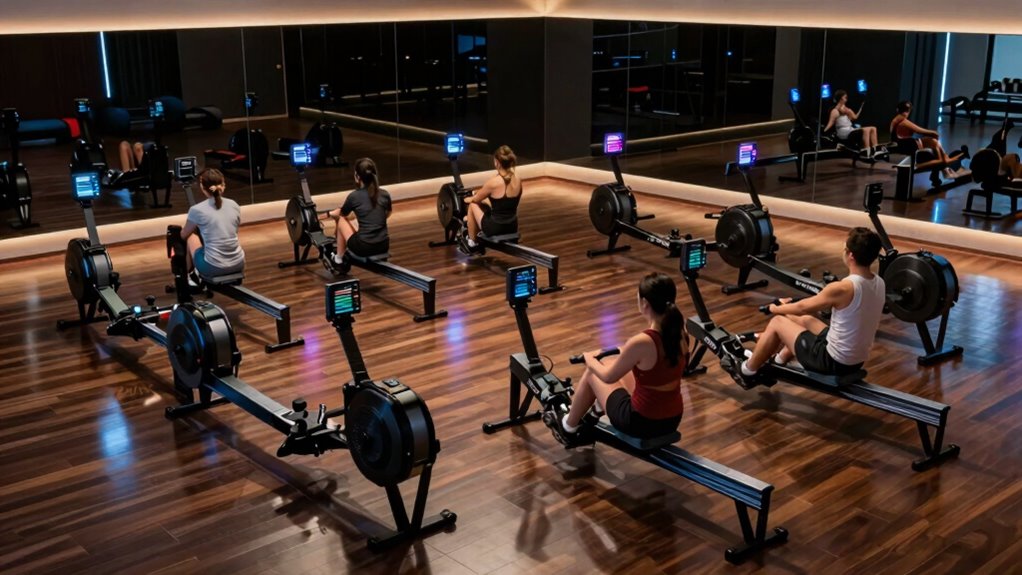
For a connected rower with a screen, the biggest choice in this pair is whether you want a built-in display for coached workouts or a simpler monitor that connects to a compatible device. I rank the Hydrow Origin first for its 22-inch touchscreen and streamed classes; it is the stronger pick when an on-machine workout experience matters most. The YOSUDA R2 is my value-minded alternative, with self-powered workout tracking, Bluetooth connectivity, and compact listed storage dimensions, but it does not have a built-in streaming screen.

Get health and wellness essentials delivered free with Prime
- Fast, free delivery on millions of items
- Prime Video, Amazon Music and more included
- Member-only deals all year
That distinction matters more than the shared promise of rowing at home. Hydrow asks for Wi-Fi and an ongoing membership after its trial to access its streaming workouts, and its 145-pound frame takes effort to move. YOSUDA keeps the setup simpler, though its Bluetooth depends on compatible devices and the supplied details do not specify a screen size or streaming class library. I rank these by how completely each one meets the connected rower with screen brief, then weigh space, access to workouts, and ownership tradeoffs.
Key Takeaways
- The Hydrow Origin is the closest match to a screen-first connected rower, with a built-in 22-inch HD touchscreen for streamed workouts.
- The YOSUDA R2 has a self-powered monitor and Bluetooth, but the supplied details do not establish that it has a large touchscreen or built-in classes.
- Hydrow’s Wi-Fi streaming requires a membership after the 30-day trial, so factor recurring access into your decision.
- YOSUDA is the more practical fit when compact listed storage dimensions and avoiding a power outlet matter more than on-machine coaching.
- Both machines offer a one-year warranty and simulate water-style rowing, but their screen experiences and connectivity expectations are not equivalent.
| Hydrow Origin Rowing Machine for Home | 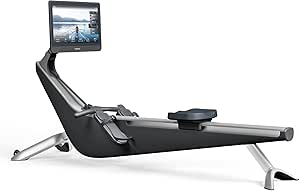 | Best Overall for Built-In Screen Workouts | Resistance: Electromagnetic drag | Screen: 22-inch HD touchscreen | Connectivity: Wi-Fi and Bluetooth | VIEW ON AMAZON | See Our Full Breakdown |
| YOSUDA R2 Rowing Machine for Home |  | Best Value for Self-Powered Tracking | Resistance: 10 adjustable levels; water-like rowing feel | Monitor: Self-powered with real-time workout metrics | Connectivity: Bluetooth; compatibility may vary by device | VIEW ON AMAZON | See Our Full Breakdown |
| connected rowers with screen | Resistance | Connectivity | Maximum user weight | Warranty |
|---|---|---|---|---|
| Hydrow Origin Rowing Machine f | Electromagnetic drag | Wi-Fi and Bluetooth | 375 lbs | 1 year |
| YOSUDA R2 Rowing Machine for H | 10 adjustable levels; water-like rowing feel | Bluetooth; compatibility may vary by device | 350 lbs | 1 year |
More Details on Our Top Picks
Hydrow Origin Rowing Machine for Home
The Hydrow Origin is my first choice when the screen is central to the purchase. Its 22-inch HD touchscreen gives workout content a dedicated place on the machine, while Wi-Fi supports streamed live and on-demand sessions. That is a more complete screen-led setup than the YOSUDA R2, whose supplied details list a self-powered Bluetooth monitor but do not confirm a large display or built-in classes. If you want rowing instruction visible at the machine rather than simply tracking numbers, Hydrow makes the clearer case.
Its electromagnetic drag is described as simulating water rowing, and the machine is designed for a full-body, low-impact workout. Those details speak to the training experience, while the screen and streamed workouts shape the connected experience. Hydrow supports users up to 375 pounds, slightly above the YOSUDA’s 350-pound limit. It is also stowable, though at 145 pounds it may take planning and physical effort to move into storage. YOSUDA’s listed storage dimensions are compact, but that should not be mistaken for a lighter machine or proof that its setup is more convenient in every room.
The main tradeoff is continued access to the content. Hydrow includes a 30-day membership trial, but streamed membership features require a fee after that period, and Wi-Fi is needed for streaming. I would choose it for a dedicated workout area with reliable internet and a buyer who expects to use guided sessions often. Someone who only needs a rower that records basic metrics may be paying for a screen-and-content experience they do not want. The one-year warranty is also the same stated term as YOSUDA’s, so the premium position here rests on its screen and workout platform, not a longer listed warranty.
Pros:- 22-inch HD touchscreen presents streamed workouts directly on the rower.
- Wi-Fi and Bluetooth provide built-in connectivity options.
- Electromagnetic drag is designed to simulate water rowing.
- 375-pound user capacity and stowable design suit a range of home setups.
Cons:- Streaming features require Wi-Fi and a paid membership after the 30-day trial.
- At 145 pounds, moving it into storage may be difficult.
- The one-year warranty is limited to the stated period.
Best for: Buyers who want an integrated touchscreen for streamed coaching and have reliable Wi-Fi and room for a heavy machine.
Not ideal for: People avoiding ongoing membership costs, those who want a lightweight machine to move often, or buyers who only need basic workout metrics.
- Resistance:Electromagnetic drag
- Screen:22-inch HD touchscreen
- Connectivity:Wi-Fi and Bluetooth
- Dimensions:86″ L x 25″ W x 47″ H
- Machine weight:145 lbs
- Maximum user weight:375 lbs
- Membership:30-day free trial; fee applies afterward for membership features
- Warranty:1 year
Our verdict“Choose the Hydrow Origin when a large built-in screen and streamed instruction matter more than membership costs and easier movement.”
YOSUDA R2 Rowing Machine for Home
The YOSUDA R2 is the better fit for a buyer who values straightforward tracking and a compact storage footprint over a built-in class screen. Its self-powered monitor records workout metrics in real time, while Bluetooth offers a route to connect with compatible devices. That makes it a connected option, but not the same kind of connected experience as the Hydrow Origin: Hydrow specifies a 22-inch touchscreen and streaming workouts, whereas YOSUDA’s supplied details do not establish a touchscreen, display size, or included class library.
Its stated 10 adjustable resistance levels and water-like rowing feel give the R2 a practical range for home sessions. The 53.7-inch slide rail and frame capacity of up to 350 pounds help define who it may suit, while the aluminum rail is a listed construction detail rather than a promise of commercial-grade use. YOSUDA specifically describes the machine as intended for home use, so I would not treat its capacity or frame as evidence that it is built for a shared gym environment. Compared with the Hydrow, it supports 25 pounds less user weight but avoids the stated dependence on Wi-Fi for streamed workouts.
Storage is one of its stronger reasons to choose it: the listed storage dimensions are 25 by 33 inches, a useful figure for people who need to reclaim floor space. The monitor also does not need batteries, which removes one small maintenance task. The tradeoffs are less screen certainty and some setup friction: Bluetooth may require a compatible device, assembly can take time, and the one-year warranty matches rather than exceeds Hydrow’s. I would pick the R2 if my priority were a home rower with connected tracking and stowability, and skip it if I specifically wanted coaching displayed on a built-in touchscreen.
Pros:- Self-powered monitor tracks workout metrics without batteries.
- Bluetooth connectivity can link the machine with compatible devices.
- Ten resistance levels offer adjustment across home workouts.
- Listed storage dimensions of 25 by 33 inches help conserve floor space.
Cons:- The supplied specifications do not confirm a touchscreen or built-in workout streaming.
- Bluetooth use may depend on having a compatible device.
- Assembly can be time-consuming, and the machine is described for home rather than commercial use.
Best for: Home users who want self-powered metric tracking, Bluetooth connectivity, adjustable resistance, and compact listed storage dimensions.
Not ideal for: Buyers who require a confirmed built-in touchscreen with streamed classes or need commercial-grade equipment.
- Resistance:10 adjustable levels; water-like rowing feel
- Monitor:Self-powered with real-time workout metrics
- Connectivity:Bluetooth; compatibility may vary by device
- Frame material:Premium aluminum rail
- Slide rail length:53.7 inches
- Maximum user weight:350 lbs
- Storage dimensions:25″ L x 33″ W
- Warranty:1 year
Our verdict“Pick the YOSUDA R2 for connected home tracking and compact storage, but choose Hydrow if a built-in workout screen is non-negotiable.”

How We Picked
I ranked these two machines against the specific promise of connected rowers with screen, not as interchangeable home fitness equipment. A built-in display that can show streamed workouts has a direct advantage for someone who wants to follow instruction without bringing a phone or tablet. That puts the Hydrow Origin first: its 22-inch HD touchscreen, Wi-Fi connectivity, and live and on-demand workout access make its screen experience explicit.
I also gave weight to what ownership asks of the buyer. Hydrow’s streaming depends on Wi-Fi, its free membership period lasts 30 days, and a paid membership is required afterward for continued membership features. Its 145-pound weight can complicate moving it around the room. The YOSUDA R2 earns a distinct second place as a simpler connected option: its monitor is self-powered, it offers Bluetooth, and its compact storage dimensions may suit a tighter room. The information supplied does not identify a touchscreen or streaming classes for the R2, so I do not treat it as equivalent to Hydrow’s built-in viewing experience.
Across both picks, I compared the stated resistance approach, user weight capacity, storage and movement details, connectivity, and warranty. I have not inferred unlisted features such as app compatibility beyond the provided Bluetooth description, a particular class library for YOSUDA, or the exact storage mechanism for either machine. That keeps the ranking useful for buyers who want a screen without blurring the difference between a monitor that tracks metrics and a touchscreen designed to present workouts.
| connected rowers with screen | Connectivity |
|---|---|
| Hydrow Origin Rowing Machine f | Wi-Fi and Bluetooth |
| YOSUDA R2 Rowing Machine for H | Bluetooth; compatibility may vary by device |
Factors to Consider When Choosing Connected Rowers With Screen
I would start by deciding what you mean by “screen.” These two machines connect in different ways, and only one explicitly includes a large touchscreen for streamed workouts.A workout screen or a metric monitor?
The Hydrow Origin has a 22-inch HD touchscreen built around streaming workouts. That makes it the direct choice for buyers who want instruction and workout content on the rower itself. YOSUDA describes a self-powered monitor that tracks real-time metrics and offers Bluetooth, but the supplied specifications do not state a screen size or streamed workout service. I would verify the exact display and compatible software before buying if a large screen is a firm requirement. A monitor can be useful without being a video workout display.
Account for internet and membership access
Hydrow’s live and on-demand workout features rely on Wi-Fi, and its free membership trial lasts 30 days. A membership fee applies afterward for continued membership features. That can be a good fit if guided sessions are part of your routine, but it is a real ownership condition, not a minor connection detail. YOSUDA’s listed Bluetooth connection may suit buyers who want to pair a compatible device, though the product information does not specify which apps or services work with it. Do not assume Bluetooth alone provides the same content as Hydrow’s platform.
Match the machine to your room
YOSUDA lists storage dimensions of 25 by 33 inches, which gives buyers a concrete footprint to check against a closet or corner. Hydrow is described as stowable and measures 86 inches long, 25 inches wide, and 47 inches high in its listed dimensions. Its 145-pound weight may make frequent movement harder, so consider where it will live between workouts. The provided details do not give a comparable stored measurement for Hydrow, and they do not explain the storage method for either machine; check the product setup requirements and available floor space rather than relying on “stowable” alone.
Compare resistance and fit, not just screens
Both machines are presented as simulating a water-rowing feel, but their resistance descriptions differ. YOSUDA specifies 10 adjustable levels; Hydrow specifies electromagnetic drag technology. The supplied information does not provide matching resistance measurements, so I would not treat the two systems as directly comparable by intensity. Their listed maximum user weights are 350 pounds for YOSUDA and 375 pounds for Hydrow. Check the slide rail length and your own fit as well: YOSUDA lists a 53.7-inch rail, while the supplied Hydrow dimensions describe the overall machine rather than its rail.
Set expectations for setup and support
YOSUDA notes that assembly can be time-consuming and that Bluetooth may require compatible devices. Hydrow’s clear practical drawback is its 145-pound weight, alongside its Wi-Fi and membership requirements. Both list a one-year warranty, so warranty length does not separate these choices based on the supplied information. I would compare the full warranty terms and confirm assembly, delivery, and service arrangements before deciding, especially if the machine will need to be moved through narrow doors or up stairs.
Frequently Asked Questions
Which of these rowers has a built-in touchscreen?
The Hydrow Origin explicitly includes a 22-inch HD touchscreen for streaming workouts. The YOSUDA R2 is described with a self-powered monitor and Bluetooth connectivity, but the supplied details do not confirm a touchscreen or give a display size. If video workouts on the machine are a requirement, Hydrow is the clearer match; check the R2’s current product listing if you are considering it for a specific screen feature.
Does the Hydrow Origin require a membership?
Hydrow includes a 30-day free membership trial, and a fee applies afterward for continued membership features such as streaming workouts. Its streaming features also require Wi-Fi. I would choose it only if the screen-led workout platform is worth those ongoing access requirements to me; a buyer who mainly wants basic rowing metrics may prefer a simpler setup such as the YOSUDA R2.
Can the YOSUDA R2 connect to a phone or other device?
The YOSUDA R2 lists Bluetooth connectivity, and its description notes that use may require compatible devices. The supplied product information does not name supported apps, devices, or workout services, so I would not assume that every phone or training platform will pair with it. Confirm compatibility for your specific device before treating Bluetooth as a substitute for Hydrow’s built-in Wi-Fi streaming experience.
Which rower is easier to store?
YOSUDA provides storage dimensions of 25 inches long by 33 inches wide, which helps buyers assess a compact storage spot. Hydrow is described as stowable, but its stated weight is 145 pounds and its listed overall dimensions are 86 by 25 by 47 inches. The details do not provide directly comparable stored dimensions, so I would check the required storage position and moving method for both machines before choosing based on space alone.
How do their user weight limits compare?
The Hydrow Origin lists a maximum user weight of 375 pounds, while the YOSUDA R2 lists 350 pounds. Both have a one-year warranty in the supplied specifications. Buyers should check the full manufacturer guidance for fit and use, since maximum capacity is only one part of choosing a comfortable rower and does not establish whether the rail length or overall dimensions suit an individual.
Conclusion
I would choose the Hydrow Origin if my priority were a dedicated screen with streamed coaching, and I had reliable Wi-Fi, room for a 145-pound machine, and a willingness to pay for membership features after the trial. It is the strongest match for the phrase “connected rower with screen” because its large touchscreen and workout streaming are explicitly part of the offer.
I would choose the YOSUDA R2 if I wanted self-powered metric tracking, Bluetooth, adjustable resistance, and compact listed storage dimensions without making a built-in video screen the deciding factor. For a buyer who insists on a confirmed touchscreen, I would not treat the R2 as an equal substitute without verifying its display details. The choice is clear: Hydrow for a more complete on-machine class experience; YOSUDA for a simpler home rower with connected tracking and a more space-conscious storage specification.
Cold & flu season Picks
humidifiers
As an affiliate, we earn on qualifying purchases.