
TL;DR

Get health and wellness essentials delivered free with Prime
- Fast, free delivery on millions of items
- Prime Video, Amazon Music and more included
- Member-only deals all year
A Canadian matched cohort study found that pregnancies after kidney donation were associated with higher rates of hospitalization for gestational hypertension, preeclampsia or eclampsia, and of small-for-gestational-age births. The researchers said complications remained uncommon overall, and most post-donation pregnancies proceeded without major issues.
A Canadian study found that women who became pregnant after donating a kidney had a higher rate of hospitalization for pregnancy-related high blood pressure disorders than matched women who had not donated, although the complications were uncommon in both groups. The study also found more small-for-gestational-age births among donors; its authors said most pregnancies after donation proceeded without major issues.
The study included 385 singleton pregnancies among 252 kidney donors and compared them with 1,540 pregnancies among 1,535 matched nondonors. Eligible pregnancies lasted at least 20 weeks. Researchers used healthcare administrative data from three Canadian provinces and matched participants on factors including maternal age, delivery date, parity, income quintile and time between cohort entry and delivery.
The primary outcome was hospitalization with a diagnosis of gestational hypertension, preeclampsia or eclampsia. It occurred in 11.9% of donor pregnancies, compared with 8.3% of pregnancies in the comparison group (risk ratio 1.51; 95% confidence interval 1.10-2.08). Small-for-gestational-age births—defined as birth weight below the 10th percentile—occurred in 13.8% of donor pregnancies and 7.9% of nondonor pregnancies (risk ratio 1.86; 95% confidence interval 1.37-2.52).
Researchers reported no clear difference between the groups across 11 other secondary outcomes, including cesarean delivery, gestational diabetes, preterm birth or low birth weight, neonatal intensive care admission, stillbirth and neonatal death. Fewer than 2% of pregnancies in either group had a hypertensive disorder first recorded before 34 weeks, according to the report.
What the Findings Mean for Donors
The results matter to people considering living kidney donation who may want to become pregnant, as well as the clinicians who counsel them. The findings indicate that pregnancy-related blood pressure disorders may be more likely after donation, but the absolute rates reported in this study were 11.9% among donors and 8.3% among matched nondonors. The study does not suggest that pregnancy after donation is generally unsafe or that complications are inevitable.
Amit X. Garg, MD, PhD, of London Health Sciences Centre in Ontario, said donor candidates who may become pregnant should be told about the possible higher chance of gestational hypertension or preeclampsia. He also said people who become pregnant after donating should have access to prenatal care that pays attention to blood pressure and other signs of hypertensive disorders.
The report notes that about 65% of living kidney donors are women and roughly 75% are of childbearing age when they donate. Garg said a wish to become pregnant in the future should not, by itself, exclude someone from donating. The findings support informed discussion of possible risks, rather than a blanket rule against donation for people planning pregnancies.
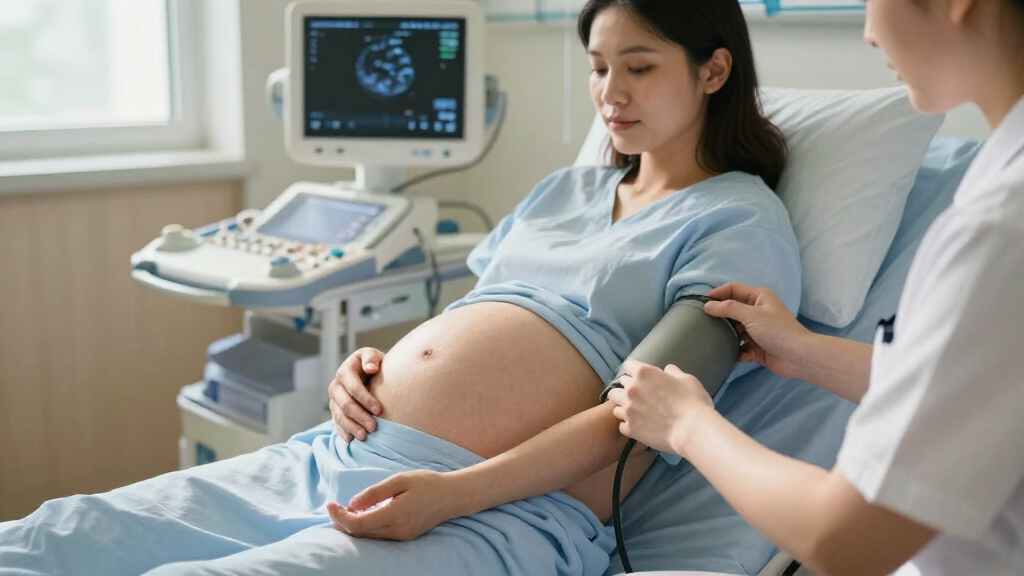
blood pressure monitor for pregnancy
As an affiliate, we earn on qualifying purchases.
As an affiliate, we earn on qualifying purchases.
How the Study Fits Earlier Guidance
The association between kidney donation and hypertensive disorders in a later pregnancy was already a concern in earlier research. International guidance issued in 2017 advised clinical teams to counsel prospective donors about the potential risk. The new study adds population-based data from Canadian provinces and examines several maternal and newborn outcomes, while also identifying small-for-gestational-age birth as a finding that needs further study.
The researchers said there is a possible biological explanation: pregnancy increases the demands on the kidneys, including renal blood flow and filtration. Garg and co-authors also cited experimental work in mice with one kidney removed, in which researchers observed impaired kidney adaptation to pregnancy and changes in placental development. That experimental evidence offers a possible mechanism; it does not establish what caused the outcomes in the human study.
The study was presented at the American Society of Nephrology Kidney Week annual meeting and published at the same time in JAMA. It was an observational comparison using healthcare records, not a trial assigning people to donate or not donate.
“Donor candidates who may become pregnant should be counseled that donation may be associated with a modestly higher chance of developing gestational hypertension or preeclampsia.”
— Amit X. Garg, MD, PhD, of London Health Sciences Centre, speaking to MedPage Today
small for gestational age baby growth chart
As an affiliate, we earn on qualifying purchases.
As an affiliate, we earn on qualifying purchases.
Limits of the Pregnancy Data
The study found associations; it cannot establish that kidney donation caused the higher rates. The authors noted possible residual genetic confounding: many donors are related to their recipients and may share inherited susceptibility to kidney problems. Administrative records also lacked information on participants’ body mass index, blood pressure measurements and medication use during pregnancy, factors that could affect interpretation.
The higher rate of small-for-gestational-age births was less expected than the blood pressure finding. Garg said it was one of several secondary outcomes examined and requires confirmation in other studies. The report also found a larger risk ratio for the primary outcome among donors aged 35 or older at delivery than among younger donors, but the age subgroup results do not establish why the difference appeared or how it should guide individual decisions.
prenatal vitamins for women planning pregnancy
As an affiliate, we earn on qualifying purchases.
As an affiliate, we earn on qualifying purchases.
Further Study and Prenatal Monitoring
The researchers said the small-for-gestational-age finding should be checked in other studies. Further research could help clarify whether the observed association is related to donation itself or to factors the administrative data could not measure, including genetic background and maternal health characteristics.
For now, the study supports discussing possible pregnancy risks during donor evaluation and arranging appropriate prenatal care for donors who later become pregnant. The report does not announce a change to donation eligibility guidelines. Decisions about donation remain individual and should weigh the recipient’s potential benefit against the donor’s health and plans for future pregnancy.
As an affiliate, we earn on qualifying purchases.
Key Questions
Hospitalization with gestational hypertension, preeclampsia or eclampsia occurred in 11.9% of kidney-donor pregnancies and 8.3% of matched nondonor pregnancies. The study reported a risk ratio of 1.51, with a 95% confidence interval of 1.10-2.08.
Did kidney donation rule out a healthy pregnancy?
No. The researchers said most pregnancies after donation proceeded without major issues. The study found higher rates of certain outcomes, not that complications were inevitable.
What did the study find about babies’ growth?
Small-for-gestational-age births, defined as birth weight below the 10th percentile, occurred in 13.8% of donor pregnancies and 7.9% of comparison pregnancies. The lead researcher said this secondary finding needs confirmation in other studies.
Does the study prove donation caused the complications?
No. It was an observational study based on healthcare records, so it found an association rather than proving causation. The authors identified possible genetic confounding and missing data on factors such as body mass index, blood pressure and medication use.
What should prospective donors know about future pregnancy?
The study’s lead researcher said candidates who may become pregnant should be counseled about the possible higher chance of hypertensive disorders, and donors who later become pregnant should have access to prenatal care with attention to blood pressure. The findings do not, on their own, mean a future pregnancy should exclude someone from donation.
Source: rss
Cold & flu season Picks
humidifiers
As an affiliate, we earn on qualifying purchases.