If you have endometriosis, you might experience severe pelvic pain, heavy periods, or inflammation outside your uterus. Treatment options include hormonal therapies like birth control pills or GnRH agonists, which help manage symptoms but don’t cure the condition. Surgery, such as laparoscopy, can remove endometrial tissue and relieve pain. Combining treatments and personalizing your approach with a healthcare provider can improve your quality of life. Keep exploring to discover ways to better manage your symptoms.
Key Takeaways
- Endometriosis involves abnormal tissue growth outside the uterus, causing pelvic pain, heavy periods, and inflammation.
- Common symptoms include severe pelvic pain, painful periods, pain during intercourse, and infertility.
- Treatment options encompass hormonal therapy, such as birth control pills, GnRH agonists, and surgical procedures like laparoscopy.
- Dietary adjustments, like low carbohydrate diets, may help reduce inflammation and support overall management.
- Combining surgery and hormonal therapy, tailored to individual symptoms and desires, offers effective relief and improved quality of life.
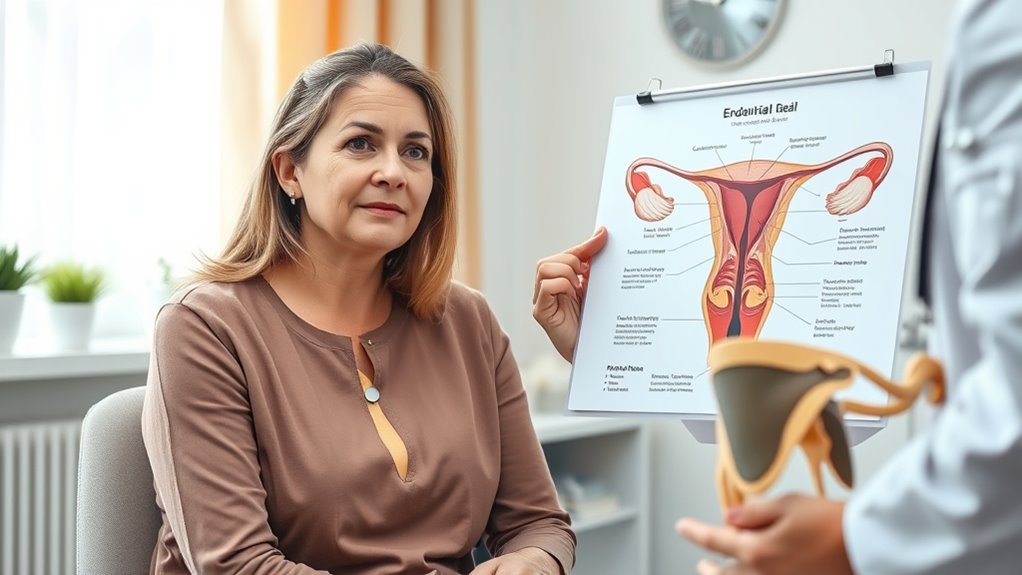
Have you ever wondered why some women experience severe pelvic pain and heavy periods? The answer might be linked to endometriosis, a condition where tissue similar to the lining of your uterus grows outside it, causing inflammation, pain, and other complications. Understanding your treatment options is key to managing this condition effectively. One common approach involves hormonal therapy. This treatment aims to regulate or suppress hormone levels, reducing the growth of endometrial tissue. Birth control pills, patches, or vaginal rings can help lighten your periods and decrease pain. Gonadotropin-releasing hormone (GnRH) agonists and antagonists are also used to induce a temporary menopause-like state, shutting down ovarian hormone production and shrinking endometrial lesions. Hormonal therapy doesn’t cure endometriosis, but it can substantially alleviate symptoms and improve quality of life, especially when started early. Additionally, low carbohydrate diets may support overall health and reduce inflammation in some women with endometriosis.
In addition to hormonal options, surgical interventions are often considered, especially if medications don’t provide relief or if the disease is advanced. Surgical options can vary from minimally invasive procedures like laparoscopy to more extensive surgeries. During laparoscopy, your doctor uses a small camera inserted through a tiny incision to locate and remove endometrial tissue, adhesions, or cysts. This procedure not only relieves pain but also helps confirm the diagnosis. In severe cases, more extensive surgery might be necessary, such as removing large endometriomas or even a hysterectomy, which involves removing the uterus. The goal of surgery is to remove as much endometrial tissue as possible, reducing symptoms and preventing disease progression. Postoperative hormonal therapy may be recommended to prevent recurrence, especially if there’s a high risk of it returning.
Deciding between hormonal therapy and surgical options depends on your specific symptoms, the severity of the disease, your desire to preserve fertility, and overall health. Many women find a combination of both approaches most effective. For instance, surgery may be performed to remove endometrial implants, followed by hormonal therapy to keep symptoms at bay. It’s crucial to work closely with your healthcare provider to develop a personalized treatment plan that addresses your needs and goals. Managing endometriosis often requires patience and adjustments, but with the right combination of therapies, you can regain control over your symptoms and improve your quality of life.

Boiron Cyclease Cramps Tablets for Relief from Menstrual Cramps, Aches, Pain, and Discomfort – 60 Count
MULTI-SYMPTOM PERIOD RELIEF OF MENSTRUAL CRAMPS, ACHES, PAINS & DISCOMFORT: Cyclease Cramps offers multi-symptom relief for period-related menstrual…
As an affiliate, we earn on qualifying purchases.
As an affiliate, we earn on qualifying purchases.
Frequently Asked Questions
Can Endometriosis Affect Fertility Even if Asymptomatic?
Yes, endometriosis can affect your fertility even if you’re asymptomatic. The fertility impact may occur silently, with no obvious symptoms to alert you. Asymptomatic consequences include internal scarring or adhesions that block the fallopian tubes or disrupt ovulation, making conception harder. Regular check-ups and early diagnosis are vital, as addressing endometriosis early can improve your chances of pregnancy, even if you don’t experience noticeable symptoms.
Are There Lifestyle Changes That Can Reduce Endometriosis Symptoms?
Yes, you can reduce endometriosis symptoms through lifestyle changes like diet modification and stress management. Eating anti-inflammatory foods, such as fruits, vegetables, and omega-3-rich fish, helps soothe your symptoms. Additionally, managing stress with relaxation techniques like yoga or meditation can decrease flare-ups. Regular exercise and adequate sleep also support your overall health, making it easier to cope with endometriosis and potentially lessen its severity.
What Are the Latest Advances in Endometriosis Surgical Treatments?
You should consider the latest advances in endometriosis surgical treatments, such as minimally invasive procedures like laparoscopic and robotic surgery. These techniques allow your surgeon to precisely remove endometrial tissue with less pain and quicker recovery. Robotic surgery offers enhanced visualization and dexterity, making it especially effective for complex cases. Staying informed about these options can improve your outcomes and reduce symptoms more effectively.
How Does Endometriosis Impact Mental Health Over Time?
Endometriosis can quietly chip away at your emotional well-being, turning hope into frustration over time. The constant pain and unpredictability may lead to anxiety or depression, making daily life feel overwhelming. Yet, with proper mental health support, you can navigate these emotional challenges. Recognizing the impact on mental health helps you seek help early, empowering you to maintain resilience and improve overall well-being despite the condition’s long-term effects.
Are There Non-Hormonal Options for Managing Endometriosis Pain?
Yes, you can manage endometriosis pain with non-hormonal options like physical therapy and acupuncture. Physical therapy helps reduce pelvic floor tension and improve muscle function, easing discomfort. Acupuncture options may help balance energy flow and decrease pain levels. These approaches work alongside other treatments and can be effective in managing symptoms, especially if you prefer to avoid hormonal therapies. Always consult your healthcare provider before starting new pain management methods.

Balance Matters: Rethinking Estrogen, Reclaiming Progesterone, Restoring Hormonal Stability
As an affiliate, we earn on qualifying purchases.
As an affiliate, we earn on qualifying purchases.
Conclusion
Believe it or not, some experts think endometriosis might be linked to your immune system, causing your body to attack itself. This theory sparks hope that future treatments could target these immune responses, offering relief and a better quality of life. While more research is needed, knowing there’s ongoing progress can empower you. Don’t lose hope—understanding your body and exploring new options could lead to a brighter, pain-free future.

Oiyekntd Laparoscopic Surgery Simulator Kit, Surgical Simulator Kit, with 0°/30°Endoscope, 10 Training Modules + 4 Surgical Tools, Suitable for Medical Student Training 0°
◉ 【0°/30° Endoscope】The high-definition straight rod endoscope is consistent with clinical vision, is clear, and has no delay….
As an affiliate, we earn on qualifying purchases.
As an affiliate, we earn on qualifying purchases.

Regulate Cycle Support – Hormone Balance for Women at Optimal 40:1 Myo-Inositol 2000 mg & D-Chiro Inositol 50 mg – Supplement for Period Consistency, Menstrual & Ovulation Support – 120 Vegan Capsules
SUPPORT CYCLE CONSISTENCY: Myo & D-Chiro Inositol stability is crucial to supporting your ovulation consistency, reproductive system, and…
As an affiliate, we earn on qualifying purchases.
As an affiliate, we earn on qualifying purchases.