

Recognizing signs of ovarian cancer early can make a big difference. Look out for subtle symptoms like persistent bloating, pelvic or abdominal pain, difficulty eating, or frequent urination. If you have risk factors like a family history or genetic mutations, staying vigilant is especially important. Regular check-ups and understanding your personal risk can help catch issues sooner. Continue exploring to discover ways to stay proactive and better understand preventive measures.
Key Takeaways
- Recognize subtle symptoms like bloating, pelvic pain, and urinary changes that may indicate ovarian cancer.
- Women over 50 or with a family history should consider regular screenings for early detection.
- Genetic testing for BRCA1 and BRCA2 mutations helps identify higher-risk individuals.
- Early diagnosis improves treatment outcomes; awareness of risk factors encourages timely medical consultation.
- Monitoring personal health and reproductive history aids in assessing risk and prompting preventive actions.

Have you ever wondered what ovarian cancer is and how it affects women? Ovarian cancer develops in the ovaries, which are part of your reproductive system, and it can be tricky to detect early because symptoms often mimic less serious conditions. Understanding the factors that influence your risk can help you recognize potential warning signs sooner and seek medical advice when necessary.
Genetic factors play a significant role in ovarian cancer risk. If you have a family history of ovarian, breast, or related cancers, your chances of developing the disease increase. Certain inherited gene mutations, like BRCA1 and BRCA2, are linked to a higher risk. These genetic factors are vital because they can be passed down through generations, making it important for women with a family history to undergo genetic counseling and testing. Knowing your genetic makeup allows you and your healthcare provider to assess your personal risk more accurately. This risk assessment can lead to proactive measures, such as increased screening, lifestyle modifications, or even preventive options like surgery or medication, depending on your specific situation.
Your risk assessment isn’t just about genetics; it also considers other factors like age, reproductive history, and personal health. Women over 50 are at a higher risk, and those who have never been pregnant or had difficulty conceiving may also face increased odds. Additionally, conditions like endometriosis or a history of certain cancers can influence your risk profile. By evaluating these aspects collectively, your healthcare provider can offer a clearer picture of your overall risk and recommend appropriate surveillance strategies.
It’s essential to be aware that, while genetic factors are significant, they don’t guarantee you’ll develop ovarian cancer. Instead, they help identify women who might benefit from more vigilant monitoring. Risk assessment tools, such as genetic testing and family history evaluations, empower you to understand your vulnerability better. This knowledge fosters informed decision-making about screenings and preventive measures. Early detection remains key because ovarian cancer often presents with subtle symptoms that can be overlooked. Being aware of your genetic background and understanding your risk factors can lead to timely screenings, which may catch the disease in its early, more treatable stages.

Ovarian Cancer Journeys: Survivors Share Their Stories To Help Others
Used Book in Good Condition
As an affiliate, we earn on qualifying purchases.
As an affiliate, we earn on qualifying purchases.
Frequently Asked Questions
Are There Any Genetic Tests to Assess Ovarian Cancer Risk?
Yes, you can undergo genetic tests to assess your ovarian cancer risk. Genetic counseling helps you understand your family history and guides you through risk assessment options. Tests like BRCA1 and BRCA2 identify inherited gene mutations linked to higher ovarian cancer risk. These tests empower you to make informed decisions about screening and preventive measures, so consulting a healthcare professional for personalized advice is highly recommended.
How Effective Are Current Screening Methods for Early Detection?
Screening methods for ovarian cancer have limited effectiveness, with about 50% accuracy, making early detection challenging. You should know that current tests, like ultrasound and CA-125 blood tests, often struggle with screening accuracy, leading to false positives or missed diagnoses. This detection challenge means that early-stage ovarian cancer is hard to catch, emphasizing the need for ongoing research to improve screening techniques and increase early detection rates.
Can Lifestyle Changes Reduce the Risk of Ovarian Cancer?
Yes, lifestyle changes can help reduce your ovarian cancer risk. Improving your dietary habits by eating more fruits, vegetables, and whole grains provides essential nutrients that support overall health. Regular physical activity helps maintain a healthy weight, which is linked to lower risk. While these habits don’t guarantee prevention, they empower you to take proactive steps toward reducing your risk and promoting long-term well-being.
What Are the Latest Advancements in Ovarian Cancer Treatment?
Advancements in ovarian cancer treatment are accelerating, with targeted therapies and immunotherapy approaches leading the charge. You benefit from precision medicine that pinpoints tumor vulnerabilities, improving outcomes and reducing side effects. Researchers are refining these revolutionary treatments, making them more effective and accessible. Staying informed about these cutting-edge options can empower you to discuss personalized treatment plans with your healthcare team, potentially enhancing your prognosis and quality of life.
Are There Specific Symptoms in Early Stages That Are Often Overlooked?
You might overlook subtle symptoms like bloating, pelvic discomfort, or frequent urination, which are often dismissed as minor issues. These overlooked signs can indicate early ovarian cancer, but because they seem harmless or temporary, you may not seek medical attention right away. Paying close attention to persistent or unusual changes in your body and consulting your doctor when in doubt can lead to earlier detection and better outcomes.
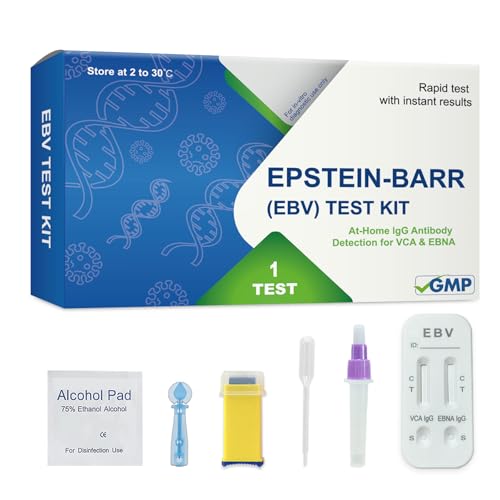
at-Home Epstein-Barr (EBV) Test Kit – Finger-Prick Sample, No Lab Visit Needed – Detects IgG Response to VCA & EBNA (for in Vitro Diagnostic Use Only)
Rapid At-Home EBV Test-Detect key EBV-related markers (VCA IgG & EBNA IgG) in 15-20 minutes. Track your immune…
As an affiliate, we earn on qualifying purchases.
As an affiliate, we earn on qualifying purchases.
Conclusion
So, while you might think ovarian cancer is rare or easy to spot, it often hides behind subtle signs. Ironically, the very symptoms that seem harmless can be warning signs of something serious. Early detection could save your life, yet many overlook the clues. Don’t wait until it’s too late—listen to your body now. After all, the best surprise is catching it early, not discovering it too late. Stay alert, stay healthy.

EZCHECK® at-Home iFOB Test (2 Tests) Immunochemical Fecal Occult Blood Test (FIT) for Colon Health Screening, Colon Cancer Screening, Colorectal Cancer Screening, Colon Disease Test
Preferred Screening Method – The EZCHECK At-home iFOB Test is a FIT test, the preferred annual stool screening…
As an affiliate, we earn on qualifying purchases.
As an affiliate, we earn on qualifying purchases.

Seat Cushion for Office Chairs – Tailbone, Coccyx Pain Relief – Butt, Pressure & Sciatica Relief – Gaming, Wheelchair, Car & Desk Pillow, Black
𝗠𝗲𝗱𝗶𝘂𝗺-𝗙𝗶𝗿𝗺 𝗦𝘂𝗽𝗽𝗼𝗿𝘁 – Designed to provide stable comfort and maintain support during extended sitting
As an affiliate, we earn on qualifying purchases.
As an affiliate, we earn on qualifying purchases.