
TL;DR
Open a free Amazon Business account
Business pricing, bulk buying and tax-exempt orders.
As an affiliate, we earn on qualifying purchases.
Trail crews in Colorado are cleaning up extensive human waste left at Blue Lakes, a popular alpine destination. New regulations aim to reduce future waste, but cleanup remains ongoing. The effort highlights environmental and wildlife concerns linked to increased tourism.
Colorado trail crews are currently removing years of accumulated human waste at Blue Lakes, a popular alpine destination near Ouray, following a surge in visitor numbers that has caused environmental concerns.
Trailworkers with the National Forest Foundation (NFF) are clearing out built-up human feces at Blue Lakes Trail, which sees over 35,000 visitors annually. The cleanup aims to improve safety, water quality, and wildlife health, as the area has become heavily contaminated with fecal bacteria such as E. coli.
On May 31, the U.S. Forest Service (USFS) introduced new regulations requiring visitors to pack out their human waste, limit group sizes to six, and ban campsites at two of the three main lakes. These measures are intended to reduce ongoing waste accumulation.
Volunteers from the NFF and the Southwest Conservation Corps (SCC) report that the waste problem is extensive, with some describing the situation as an ‘abundance of human shit.’ The cleanup involves removing semi-decomposed feces, which has become a significant resource challenge.
Why It Matters
This effort is crucial because the contamination threatens both human health and local wildlife, with animals reportedly foraging on the waste. The situation exemplifies broader issues of environmental degradation caused by increased outdoor recreation and underscores the need for sustainable visitor management.
portable human waste disposal kit for hikers
As an affiliate, we earn on qualifying purchases.
As an affiliate, we earn on qualifying purchases.
Background
Blue Lakes, located below Mount Sneffels, is one of Colorado’s most popular hikes, drawing thousands each year. The trail’s popularity has led to environmental impacts including erosion, soil compaction, and trash. In response, authorities implemented new regulations to mitigate these effects, but the accumulation of waste has persisted, prompting the current cleanup efforts.
“We thought there might be some waste, but it’s all over the place. It’s an abundance of human shit.”
— an anonymous researcher
“The marmots here look chunky — they might be eating the poop.”
— an SCC volunteer on TikTok
pack out human waste kit for backpacking
As an affiliate, we earn on qualifying purchases.
As an affiliate, we earn on qualifying purchases.
What Remains Unclear
It is not yet clear how much waste remains in less accessible areas or how effective the new regulations will be in preventing future accumulation. The long-term ecological impact of the current contamination is also still being assessed.
biodegradable waste bags for camping
As an affiliate, we earn on qualifying purchases.
As an affiliate, we earn on qualifying purchases.
What’s Next
Authorities plan to continue cleanup efforts and monitor the effectiveness of the new waste management regulations. Further educational campaigns and enforcement may be implemented to promote responsible recreation and protect the watershed.
outdoor sanitation tools for trail cleanup
As an affiliate, we earn on qualifying purchases.
As an affiliate, we earn on qualifying purchases.
Key Questions
Why is human waste a problem at Blue Lakes?
Human waste contaminates water sources, poses health risks to visitors and wildlife, and damages the natural environment. It can also lead to the spread of bacteria like E. coli.
What regulations have been introduced to address the issue?
Visitors are now required to pack out their human waste, group sizes are limited to six, and campsites at two of the lakes are banned to reduce waste buildup.
How are crews cleaning up the waste?
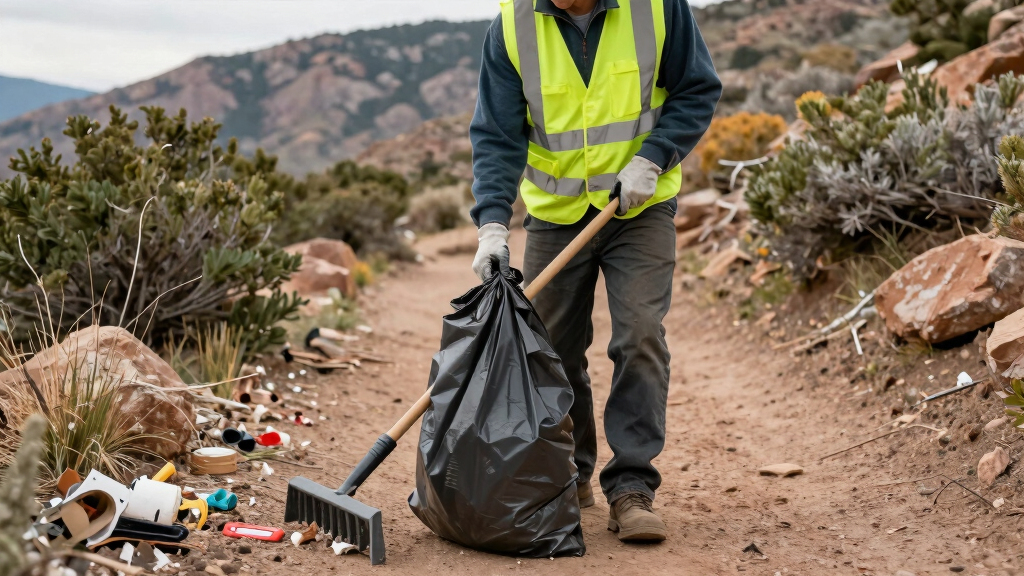
Crews are manually removing semi-decomposed feces, using specialized tools and safety measures, to restore the area’s safety and ecological health.
Will visitor access be restricted further?
There are no current plans to restrict access further, but officials emphasize balancing public enjoyment with environmental stewardship.
What can visitors do to help prevent future problems?
Visitors should follow Leave No Trace principles, pack out all waste, and adhere to new regulations to minimize their impact on the environment.
Source: Outside
Flea & tick season Picks
flea and tick prevention
As an affiliate, we earn on qualifying purchases.