
TL;DR

Get health and wellness essentials delivered free with Prime
- Fast, free delivery on millions of items
- Prime Video, Amazon Music and more included
- Member-only deals all year
A study published in the Journal of the National Cancer Institute found that about 6 in 10 highly frail older breast cancer survivors had no Medicare-covered home health care in a given year. The researchers measured service use, not eligibility, and say Medicare’s homebound and skilled-care rules may leave some people needing personal care without coverage.
A study of 134,410 older women who survived invasive breast cancer found that about 6 in 10 highly frail survivors had no Medicare home health care in a given year, raising concerns about support for people living with lasting functional limitations. Published October 20 in the Journal of the National Cancer Institute, the research measured use of care, not whether individuals qualified for coverage.
Researchers examined 347,953 survivor-years among women aged 66 or older, from two to 10 years after an invasive breast cancer diagnosis. The records covered 2017 through 2020 and linked cancer registry information with Medicare enrollment and claims, along with assessments completed by nurses and therapists when home health care began.
The study estimated frailty using a score based on Medicare claims, including diagnoses and medical equipment, calibrated against an index from in-home assessments. Frailty included health problems and functional limitations such as difficulty bathing or dressing, trouble walking, falls, memory problems, incontinence and exhaustion. The team applied the score to survivors whether or not they had received a home health assessment.
About 7% of survivors were classified as highly frail in a given year, and about 40% of that group used Medicare home health care. Across all survivors, 11% used the service. The researchers did not include people enrolled in Medicare Advantage, so the findings describe the study’s traditional Medicare-linked population and cannot establish use across all Medicare plans.
Personal Care Needs May Go Uncovered
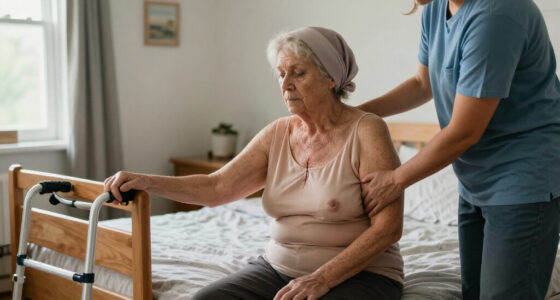
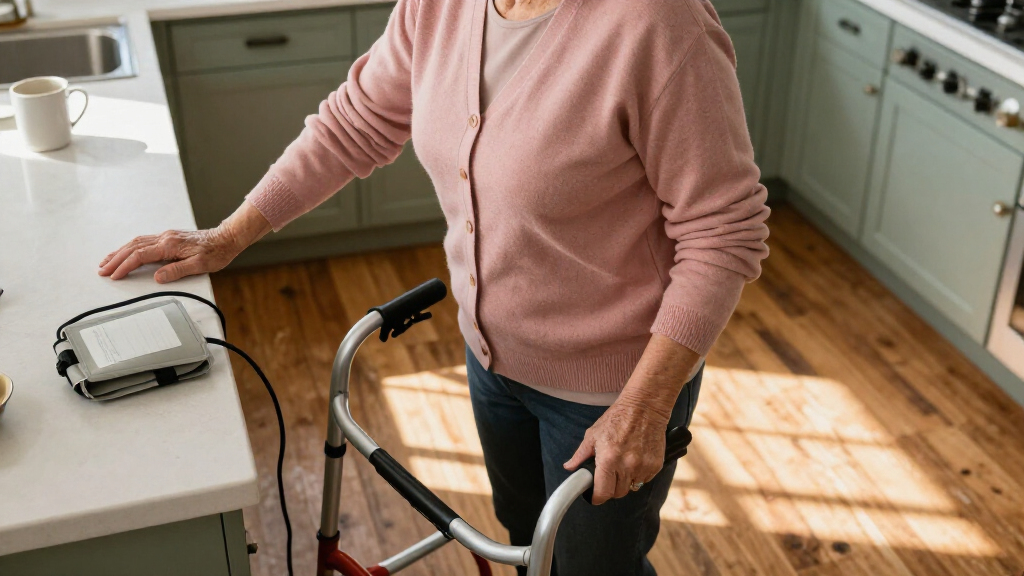
The findings point to a potential mismatch between the kind of help some frail survivors need and the conditions for Medicare-covered home health. According to the report, traditional Medicare covers personal care at home only when it is connected to a skilled need and the person is homebound. Someone needing help mainly with bathing, dressing or other daily activities—or who does not meet the homebound condition—may not receive coverage through this benefit.
Lead author Dr. Xuanzi Shirley Qin said people with substantial frailty and mainly personal-care needs may fall through this gap. She said a lack of help at home can leave people at heightened risk of falls or hospital stays. The study did not test whether lack of home health caused those outcomes, so that risk is a concern described by the researcher, not an effect established by this analysis.
The issue may extend beyond the period immediately after treatment. Qin said survivors six to 10 years after diagnosis were as frail as those two to five years after diagnosis, suggesting that aging may contribute to their needs. The results offer a reason to examine how survivorship follow-up identifies functional difficulties and how home support is financed.
home health care assistance for seniors
As an affiliate, we earn on qualifying purchases.
As an affiliate, we earn on qualifying purchases.
How Researchers Measured Frailty
The researchers combined cancer registry records from the Surveillance, Epidemiology, and End Results program with Medicare enrollment and claims, then used the Outcome and Assessment Information Set, or OASIS, which records clinical and functional information when home health care starts. Because OASIS assessments are associated with care initiation, the team developed a claims-based frailty measure that could also be applied to survivors without such an assessment.
The study focused on women aged 66 and older with invasive breast cancer, assessed two to 10 years after diagnosis. It did not cover Medicare Advantage enrollees. The report places the findings against a growing survivor population: it says about 4 million people in the United States are breast cancer survivors, while earlier detection and treatment have increased survival. That figure is national context, not a count of people in the study.
“In a given year, about 6 in 10 highly frail survivors had none.”
— Dr. Xuanzi Shirley Qin, lead author and assistant professor at the University of Maryland School of Public Health
personal care aid for elderly with mobility issues
As an affiliate, we earn on qualifying purchases.
As an affiliate, we earn on qualifying purchases.
Coverage Eligibility Was Not Tested
The study counted whether participants used Medicare home health; it did not determine whether nonusers qualified, applied for services, were denied coverage or received help from another source. The finding that about 6 in 10 highly frail survivors had no Medicare home health therefore does not mean that all were eligible or that Medicare denied their care.
The analysis also excludes Medicare Advantage and uses data from 2017–2020. It does not establish how current utilization compares with that period, identify the specific reason each person did not use home health, or show that Medicare rules caused particular health outcomes. The researchers’ concerns about falls and hospital stays are not causal findings from this study.
fall prevention home safety products
As an affiliate, we earn on qualifying purchases.
As an affiliate, we earn on qualifying purchases.
Screening and Coverage Proposals
Qin called for frailty screening to become a routine part of cancer survivorship care and for Medicare to cover personal care at home for frail survivors. The report says some clinics have begun screening, but survivorship guidelines do not yet require it. It does not announce a policy change or a timetable for one.
The study’s publication adds evidence for discussion among clinicians, health policy officials and survivor advocates about how to identify needs and whether existing home health rules meet them. Further work would be needed to assess eligibility, unmet needs across Medicare plan types, and whether added services affect outcomes or costs.
medicare home health care support tools
As an affiliate, we earn on qualifying purchases.
As an affiliate, we earn on qualifying purchases.
Key Questions
What did the study find?
About 6 in 10 highly frail older breast cancer survivors in the study had no Medicare home health care in a given year. The research measured use, not eligibility for coverage.
Who was included in the research?
The analysis covered 134,410 women aged 66 or older with invasive breast cancer, between two and 10 years after diagnosis. The data spanned 2017–2020 and did not include Medicare Advantage enrollees.
Why might a frail survivor not receive Medicare home health?
The report says traditional Medicare covers personal care at home only when it is tied to a skilled need and the person is homebound. The study did not determine why each individual did not use home health or whether they qualified.
Does the study show that lack of home health causes falls or hospital stays?
No. Qin said people without support may face heightened risk of falls or hospital stays, but the study did not establish that lack of home health caused those outcomes.
Source: rss
Fall Picks
fall essentials
As an affiliate, we earn on qualifying purchases.