
Chronic Fatigue Syndrome (CFS) sparks ongoing debates about its causes, diagnosis, and effective care. Since no single test confirms the condition, you’ll face challenges ruling out other illnesses, which can be frustrating. Care focuses on managing symptoms like fatigue, pain, and sleep issues through pacing, rest, and support. Researchers are working to clarify what triggers CFS, aiming for better diagnosis and treatments. To understand the latest insights and practical approaches, exploring this complex area further could be helpful.
Key Takeaways
- Debates exist around the precise causes and diagnostic criteria of CFS, complicating recognition and treatment approaches.
- Care primarily focuses on symptom management through pacing, lifestyle adjustments, and multidisciplinary support due to the lack of a cure.
- Ongoing research seeks to clarify underlying mechanisms and develop more accurate diagnostic tools and targeted therapies.
- The absence of a definitive test leads to diagnostic challenges, often resulting in patient frustration and feelings of isolation.
- Increased awareness and education are vital for improving diagnosis, reducing stigma, and supporting effective patient care.

Have you ever felt exhausted even after a full night’s sleep? If so, you’re not alone, but that feeling might be a sign of something more complex—Chronic Fatigue Syndrome (CFS). Managing symptoms can be a daily challenge because there’s no single test to confirm the condition. Instead, you face diagnostic challenges that often leave you waiting for answers. Doctors typically have to rule out other illnesses first, making the process frustrating and uncertain. This difficulty in diagnosis can lead to feelings of isolation and confusion because your symptoms—like overwhelming tiredness, muscle pain, and memory issues—don’t fit neatly into any one condition. Because of this, symptoms management becomes your primary focus, and it often involves trial and error. You might try different combinations of rest, gentle exercise, and medications to see what alleviates your fatigue or improves your quality of life. Some find that pacing themselves and avoiding overexertion helps keep symptoms manageable, but what works varies widely from person to person. The unpredictability of symptom flare-ups complicates things further, making it hard to plan daily activities or work commitments. You may also need to adapt your lifestyle constantly, learning to listen to your body’s signals and adjust accordingly. This ongoing process often requires a multidisciplinary approach, involving doctors, physical therapists, and mental health professionals, all aiming to help you regain control. Despite the lack of a definitive cure, you can still find ways to improve your well-being through symptom management strategies. Educating yourself about your condition and keeping a symptom diary can help identify patterns and triggers, giving you better insight into what worsens or alleviates your symptoms. Support groups can also be valuable, connecting you with others who understand what you’re going through and offering practical advice. While the diagnostic challenges surrounding CFS can feel discouraging, focusing on symptom management allows you to take active steps toward living better with the condition. It’s about finding a personalized routine that balances rest, activity, and mental health support. Although the path may be uncertain and sometimes discouraging, ongoing research continues to shed light on the underlying causes of CFS, offering hope for more accurate diagnoses and better treatments in the future. Additionally, increased awareness about medical conditions can help improve the diagnostic process and support services. In the meantime, your resilience and proactive approach are key in steering through the complexities of this condition.

Find Your Way: A Guide to Healing While Living With Chronic Fatigue Immune Dysfunction Syndrome and Fibromyalgia
As an affiliate, we earn on qualifying purchases.
As an affiliate, we earn on qualifying purchases.
Frequently Asked Questions
Are There Effective Alternative Treatments for Chronic Fatigue Syndrome?
You might find some relief with alternative treatments like herbal remedies and acupuncture therapies. While scientific evidence varies, many people report benefits such as reduced fatigue and improved sleep. It is crucial to consult with your healthcare provider before trying these options to ensure they’re safe and appropriate for your condition. Combining these therapies with traditional care could help you manage symptoms better and enhance your overall well-being.
How Does CFS Impact Mental Health Over Time?
Imagine your mental health as a delicate garden; CFS can be like relentless weeds, gradually choking emotional well-being. Over time, you might feel increased anxiety, depression, or frustration as your energy wanes. The constant fatigue and unpredictability can make it tough to stay positive, impacting your mental health long-term. Recognizing these effects helps you seek support, nurture resilience, and protect your emotional well-being despite ongoing challenges.
Can Lifestyle Changes Fully Cure or Prevent CFS?
Lifestyle changes can’t fully cure or prevent CFS, but they can help manage symptoms. You should focus on diet modification to boost your energy and immune health, and develop gentle exercise routines to improve stamina gradually. While these strategies won’t eliminate CFS, they can enhance your quality of life and reduce flare-ups. Consistency is key, so stay committed to healthy habits and work with your healthcare provider for personalized guidance.
What Are the Latest Research Breakthroughs in CFS?
Think of your body as a complex puzzle, and recent research is uncovering essential pieces. You’ll find breakthroughs in biomarker discoveries that help identify CFS more accurately, like finding clues in a mystery. Additionally, immune system insights reveal how your body’s defenses may be involved. These advances bring hope, guiding better diagnosis and personalized treatments, moving you closer to understanding and managing this condition effectively.
How Do Doctors Differentiate CFS From Other Similar Conditions?
You can differentiate CFS from similar conditions by carefully reviewing diagnostic criteria, which focus on persistent fatigue not relieved by rest and specific symptom patterns. Doctors look for symptom overlap with other illnesses like depression or thyroid issues, but they rule these out through tests. They also assess the duration and severity of symptoms, ensuring no other condition explains your fatigue, helping confirm a CFS diagnosis.

Boiron StressCalm Tablets for Relief of Stress, Anxiousness, Nervousness, Irritability, and Fatigue – 60 Count
PLANT-POWERED, MULTI-SYMPTOM STRESS RELIEF: StressCalm On the Go is powered by plants to relieve occasional symptoms of everyday…
As an affiliate, we earn on qualifying purchases.
As an affiliate, we earn on qualifying purchases.
Conclusion
Remember, Rome wasn’t built in a day, and managing chronic fatigue syndrome takes patience and persistence. Keep advocating for yourself, stay informed, and lean on support systems. While debates continue and treatments evolve, your resilience is key. Like a sturdy bridge, your steady efforts can help you cross these challenging times. Never underestimate the power of small steps—they add up to significant progress. With time and care, you can find your balance and move forward.

The Relief Products Chronic Fatigue Therapy – 100% Natural Active Ingredients – Fatigue, Weakness, CFS, Tiredness – Fast Dissolving Tablets – 70ct
CFS Relief – Provides temporary relief from the symptoms of Chronic Fatigue Syndrome, including fatigue, insomnia, exhaustion, memory…
As an affiliate, we earn on qualifying purchases.
As an affiliate, we earn on qualifying purchases.
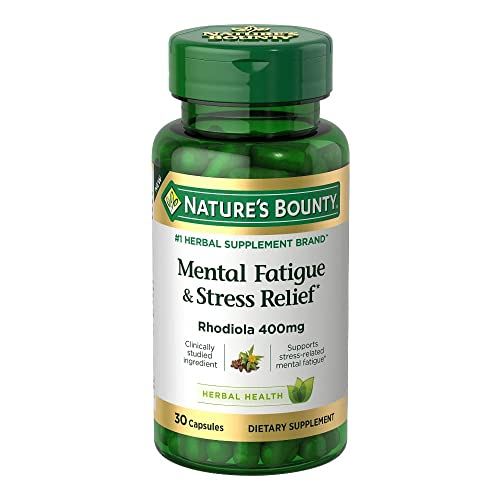
Nature's Bounty Mental Fatigue and Stress Relief, Rhodiola Supplement, 400 mg, Capsules, 30 Count
STRESS AND MENTAL FATIGUE SUPPORT: Nature’s Bounty Mental Fatigue & Stress Relief capsules help support occasional stress-related mental…
As an affiliate, we earn on qualifying purchases.
As an affiliate, we earn on qualifying purchases.