You can rotate sensory materials by organizing what you already have into labeled bins or containers based on textures or sensory qualities. Swap these items regularly to keep experiences fresh, such as switching dried pasta with rice or adding natural items like leaves or shells. Involving children in sorting and choosing materials fosters independence and curiosity. By maximizing your current supplies and experimenting with different combinations, you can maintain engaging sensory activities. Discover more tips below to expand your sensory play without extra spending.

Get health and wellness essentials delivered free — and shop member deals
- Fast, free delivery on millions of items
- Access to Prime Big Deal Days deals on October 6–7
- Prime Video, Amazon Music and more included
Key Takeaways
- Regularly swap out existing materials to introduce new textures and themes, maintaining curiosity without additional purchases.
- Organize supplies in labeled, accessible containers for easy rotation and quick activity setup.
- Involve children in selecting and reorganizing materials to foster ownership and decision-making.
- Use natural and household items like leaves, stones, or fabric scraps to create diverse sensory experiences.
- Combine different materials or add scents and colors to existing supplies for fresh, engaging sensory activities.
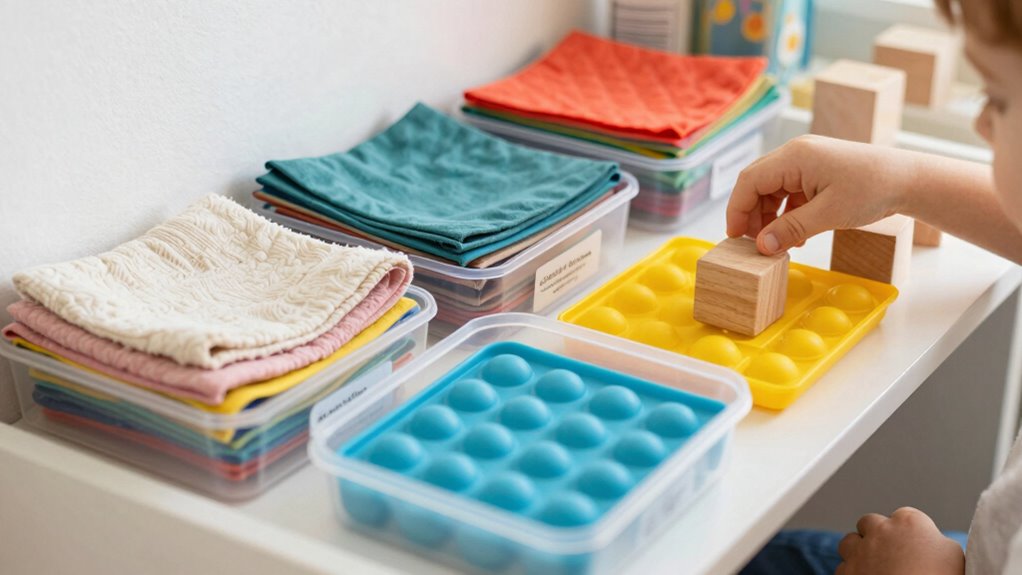
Have you ever wondered how to keep sensory activities engaging and effective for children? The key lies in smartly rotating your existing sensory materials rather than constantly buying new ones. This approach encourages fresh sensory exploration without cluttering your space or overspending. One of the most effective strategies is to focus on material organization. When you organize your sensory supplies thoughtfully, it becomes easier to swap out items and create new experiences. Keep different sets of materials in clearly labeled bins or containers, and store them in accessible areas. By doing so, you can quickly switch from one set of textures, colors, or themes to another, keeping children curious and engaged.
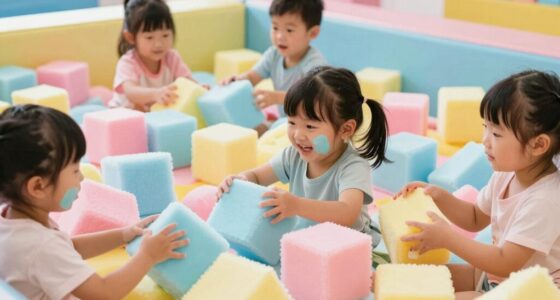
A simple way to incorporate material organization into your rotation plan is to categorize your materials based on sensory qualities—such as soft, rough, cold, or warm. When children explore one category, you can set aside those items and introduce a new set from a different category. This not only preserves the novelty of sensory exploration but also helps children develop a broader understanding of textures and sensations. To make the process even more effective, involve children in the organization. Let them help you decide how to categorize and store items, which fosters independence and gives them a sense of ownership over their sensory activities.
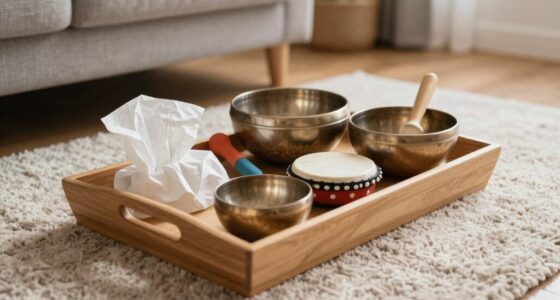
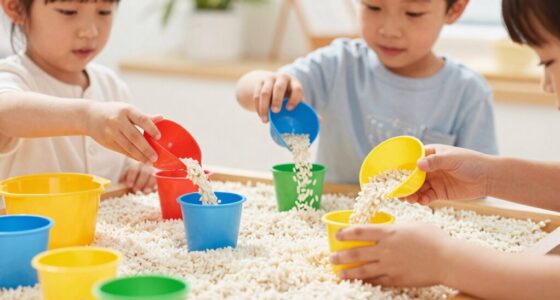
You don’t need to buy new materials to keep things fresh. Instead, look around your home for everyday objects that can serve as sensory tools—such as rice, pasta, fabric scraps, or even water beads. Rotate these items regularly, and combine them in different ways to create new sensory experiences. For example, switch from a bin of dried pasta to a bin of rice, or add different scented oils or colored water to change the sensory input. You can also incorporate natural elements like leaves, stones, or shells, which naturally add variety and interest. Being aware of sensory qualities in your existing items can help you create more targeted and engaging activities, especially when considering how different materials can influence visual and tactile perceptions. Additionally, experimenting with different combinations can stimulate children’s curiosity and creativity, and incorporating natural elements can further enhance the sensory experience. Incorporating versatile sensory tools into your rotation can also maximize the use of your current supplies while keeping activities stimulating.
As an affiliate, we earn on qualifying purchases.
Frequently Asked Questions
How Often Should I Rotate Sensory Materials for Optimal Engagement?
You should rotate sensory materials every 1 to 2 weeks to maintain ideal engagement and support sensory exploration. This frequency helps prevent boredom and extends the material’s longevity by reducing overuse. Keep an eye on how quickly items wear out or lose appeal, and adjust the rotation accordingly. Regularly updating your sensory tools keeps children curious and encourages ongoing exploration, making the most of your resources without constantly buying new materials.
Can I Reuse Materials From Different Sensory Bins?
Yes, you can reuse materials from different sensory bins. Just make sure to clean the materials thoroughly between uses to prevent the spread of germs or dirt. Use effective material cleaning methods like soap and water or disinfectant wipes. Store your sensory materials in organized storage solutions, such as clear bins or containers, so they’re easy to access and keep in good condition for future activities. This way, you maximize your resources efficiently.
What Are Budget-Friendly Ways to Create New Sensory Experiences?
To create fresh sensory experiences without extra spending, consider DIY modifications of existing materials—adding color, texture, or scent can transform familiar items. Smart storage solutions help you organize and access different materials easily, encouraging exploration. Repurposing household items as sensory tools also keeps things budget-friendly. By creatively reimagining what you already have, you craft engaging, new sensory activities that stimulate curiosity without the need for additional purchases.
How Do I Know When a Sensory Material Needs to Be Replaced?
You’ll know a sensory material needs replacing when its sensory impact diminishes or it shows signs of wear, like tears or discoloration. Material durability varies, so regularly inspect items for damage or loss of texture. If a material no longer provides the intended sensory experience or becomes unsafe, it’s time to retire it and introduce a fresh one. This keeps your sensory activities engaging, safe, and effective.
Are There Any Safety Concerns With Repurposing Materials?
You might find it surprising, but upcycling safety is essential when repurposing materials. Always inspect items for potential hazards like sharp edges or small parts that could pose choking risks. Be cautious of material contamination, especially with porous items that may harbor bacteria or mold. Proper cleaning and sanitizing are key to ensuring safety. If unsure about a material’s safety, it’s better to avoid using it for sensory activities to keep everyone protected.
natural sensory materials for children
As an affiliate, we earn on qualifying purchases.
As an affiliate, we earn on qualifying purchases.
Conclusion
By rotating your sensory materials, you turn everyday items into a never-ending adventure for your child’s senses. Think of it as opening a treasure chest of endless discovery without spending a dime! Keep experimenting with what you already have, and watch as your little one’s curiosity skyrockets. It’s so simple, yet so effective—your sensory play will be more exciting than a rollercoaster ride! Embrace the creativity, and let your materials shine anew.
reusable sensory activity containers
As an affiliate, we earn on qualifying purchases.
As an affiliate, we earn on qualifying purchases.
As an affiliate, we earn on qualifying purchases.
Fall Picks
fall essentials
As an affiliate, we earn on qualifying purchases.