

Hormone replacement therapy can effectively ease menopause symptoms like hot flashes, night sweats, and mood changes, helping you feel better and improve sleep. However, it also carries potential risks such as blood clots, breast cancer, and heart issues, especially if you have certain health conditions. Your overall health, age, and treatment length influence these risks. To make an informed decision, understanding both sides is key—continue to explore for a clearer picture of HRT’s benefits and risks.
Open a free Amazon Business account
Business pricing, bulk buying and tax-exempt orders.
As an affiliate, we earn on qualifying purchases.
Key Takeaways
- HRT effectively relieves menopause symptoms like hot flashes, night sweats, and vaginal dryness.
- It helps prevent bone density loss and reduces osteoporosis risk.
- Potential risks include blood clots, breast cancer, and cardiovascular issues, especially with long-term use.
- Suitability depends on individual health conditions; a healthcare provider should evaluate benefits and risks.
- Alternatives like lifestyle changes and non-hormonal medications can manage symptoms with fewer risks.
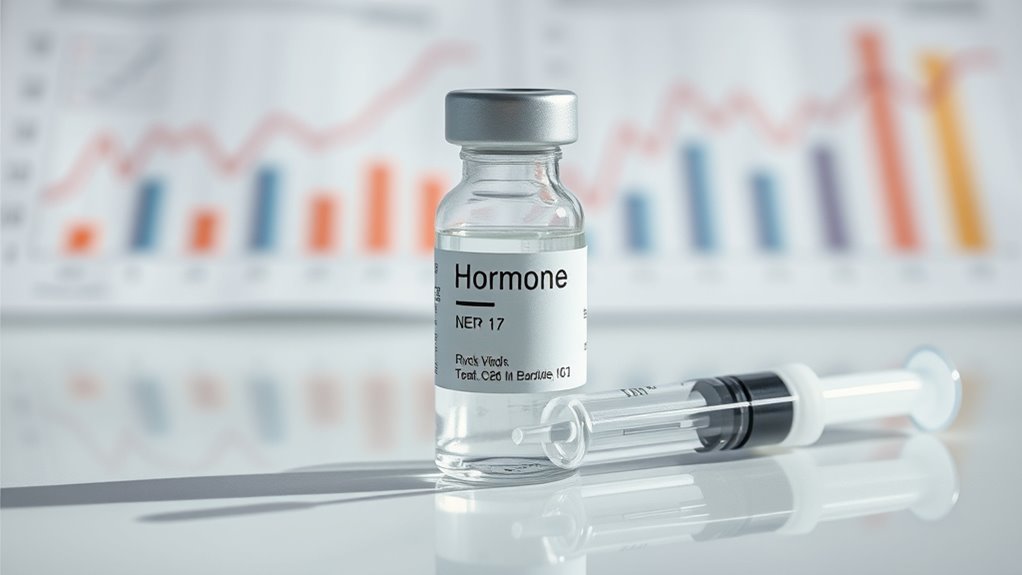
Have you ever wondered how hormone replacement therapy (HRT) can help manage symptoms of menopause and other hormonal imbalances? If you’re navigating menopause, you know how challenging those hot flashes, night sweats, and mood swings can be. HRT offers a way to restore hormonal balance, easing these symptoms and improving your quality of life. When considering menopause management options, it’s essential to understand both the benefits and potential risks involved. While HRT is highly effective at alleviating discomfort, some women seek hormone therapy alternatives to avoid possible side effects or health concerns. These alternatives include lifestyle changes, dietary adjustments, herbal supplements, and non-hormonal medications, all aimed at managing symptoms without hormone therapy.
If you’re exploring menopause management strategies, you might wonder whether HRT is the right choice for you or if you should consider alternatives. HRT works by supplementing declining hormone levels, primarily estrogen and progesterone, which helps reduce hot flashes, vaginal dryness, and bone density loss. Many women experience significant relief, leading to improved sleep, mood, and overall well-being. However, it’s important to recognize that HRT isn’t suitable for everyone. Some women may have health conditions such as blood clots, certain cancers, or liver issues that make hormone therapy risky. Your healthcare provider can help weigh these factors and tailor a plan that fits your needs.
For those concerned about the risks associated with traditional hormone therapy, hormone therapy alternatives can be appealing. Lifestyle modifications, such as regular exercise, a balanced diet rich in calcium and vitamin D, and stress reduction techniques, can help manage symptoms naturally. Herbal remedies like black cohosh or red clover are also popular, though their effectiveness varies and they should be used cautiously. Non-hormonal medications, including certain antidepressants or anti-seizure drugs, can help reduce hot flashes and mood swings without involving hormones. These options can be particularly useful if you’re seeking to avoid hormone therapy altogether or if you’re at a higher risk of adverse effects.
Ultimately, the decision between hormone therapy and its alternatives depends on your specific health profile, severity of symptoms, and personal preferences. Consulting with a healthcare professional allows you to explore all options and choose a menopause management plan that aligns with your lifestyle and health goals. Whether you opt for traditional HRT or prefer hormone therapy alternatives, the goal is to find relief and maintain your well-being during this transition.
hormone replacement therapy supplements
As an affiliate, we earn on qualifying purchases.
As an affiliate, we earn on qualifying purchases.
Frequently Asked Questions
Can HRT Be Used for Preventing Osteoporosis?
Yes, HRT can be used for preventing osteoporosis and improving bone health. It helps maintain bone density by balancing hormones that support bone strength, reducing the risk of osteoporosis. If you’re considering HRT for osteoporosis prevention, talk to your doctor about the benefits and risks. They can help determine if this treatment aligns with your overall health plan and specific needs for maintaining strong, healthy bones.
What Are the Alternatives to Hormone Replacement Therapy?
You can consider natural remedies like calcium and vitamin D supplements to support bone health. Incorporate lifestyle modifications such as weight-bearing exercises, quitting smoking, and reducing alcohol intake to strengthen bones. A balanced diet rich in fruits, vegetables, and lean proteins also helps. These alternatives can be effective in preventing osteoporosis, especially when combined with regular activity and healthy habits, providing a safe approach without hormone replacement therapy.
How Does HRT Affect Mental Health?
HRT can profoundly impact your mental health and emotional well-being by helping to stabilize mood swings and reduce anxiety or depression during menopause. You might notice improvements in emotional stability, better sleep, and overall mood. However, responses vary, and some individuals may experience mood swings or emotional changes. It’s essential to discuss your mental health concerns with your healthcare provider to determine if HRT is suitable for supporting your emotional well-being.
Is HRT Suitable for Men Experiencing Hormonal Decline?
Think of your body as a finely tuned engine; when testosterone levels dip during male menopause, it’s like losing oil pressure. Testosterone therapy can help restore that balance, making you feel more energized and focused. If you’re experiencing symptoms of hormonal decline, HRT might be suitable, especially through testosterone therapy. However, always consult a healthcare professional to weigh the benefits and risks tailored to your needs.
What Are the Long-Term Risks of Hormone Replacement Therapy?
You might face long-term risks with hormone replacement therapy, such as impacts on bone health and cardiovascular risks. Prolonged use can strengthen bones, reducing fracture chances, but it may also raise the risk of blood clots or heart issues. You should regularly consult your doctor to monitor these risks, weigh benefits versus potential long-term consequences, and ensure HRT aligns with your health goals.
menopause symptom relief products
As an affiliate, we earn on qualifying purchases.
As an affiliate, we earn on qualifying purchases.
Conclusion
In the end, you must weigh the risks and benefits of hormone replacement therapy carefully. It’s like steering a ship through stormy seas—you need to stay informed and consult your doctor. While HRT can ease menopausal symptoms and improve quality of life, it also comes with potential dangers. Remember, even in this digital age, the wisdom of an old sailor’s advice still holds: know your course, and steer wisely. Your health, after all, is your greatest treasure.
non-hormonal hot flash medication
As an affiliate, we earn on qualifying purchases.
As an affiliate, we earn on qualifying purchases.
calcium vitamin D supplements for osteoporosis
As an affiliate, we earn on qualifying purchases.
As an affiliate, we earn on qualifying purchases.
Flea & tick season Picks
flea and tick prevention
As an affiliate, we earn on qualifying purchases.