
Microbiome transplants, like fecal and vaginal procedures, aim to restore healthy bacteria in your gut or reproductive system. They help combat infections such as C. difficile and bacterial vaginosis by introducing beneficial microbes from screened donors. These treatments can improve digestion, boost your immune system, and support overall health. As research advances, you’ll discover how these innovative therapies may expand into new health areas, offering promising options for long-term well-being.
Key Takeaways
- Fecal microbiome transplants (FMT) are used to restore gut bacterial diversity and treat recurrent infections like C. difficile.
- Vaginal microbiome transplants aim to treat bacterial vaginosis by establishing healthy vaginal flora.
- Both procedures involve screening donors to ensure safety and prevent transmission of infections.
- Microbiome transplants can improve immune function, digestion, and overall health beyond the gut and reproductive systems.
- Ongoing research explores expanding applications to mood, metabolic health, and disease prevention.

Microbiome transplants are emerging as a promising approach to restore healthy gut bacteria and treat various health conditions. When you think about maintaining optimal gut health, you might not realize how crucial microbial diversity is to your overall well-being. A balanced and diverse microbiome acts as a safeguard against infections, supports digestion, and influences your immune system. However, factors like antibiotics, poor diet, stress, and illness can disrupt this delicate ecosystem, leading to digestive issues, inflammation, and other health problems. That’s where microbiome transplants come into play, offering a way to replenish and diversify your gut bacteria effectively.
Microbiome transplants help restore gut diversity and improve overall health.
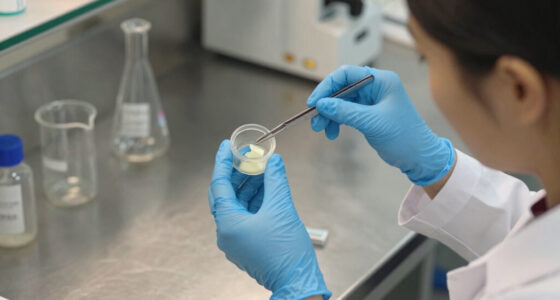
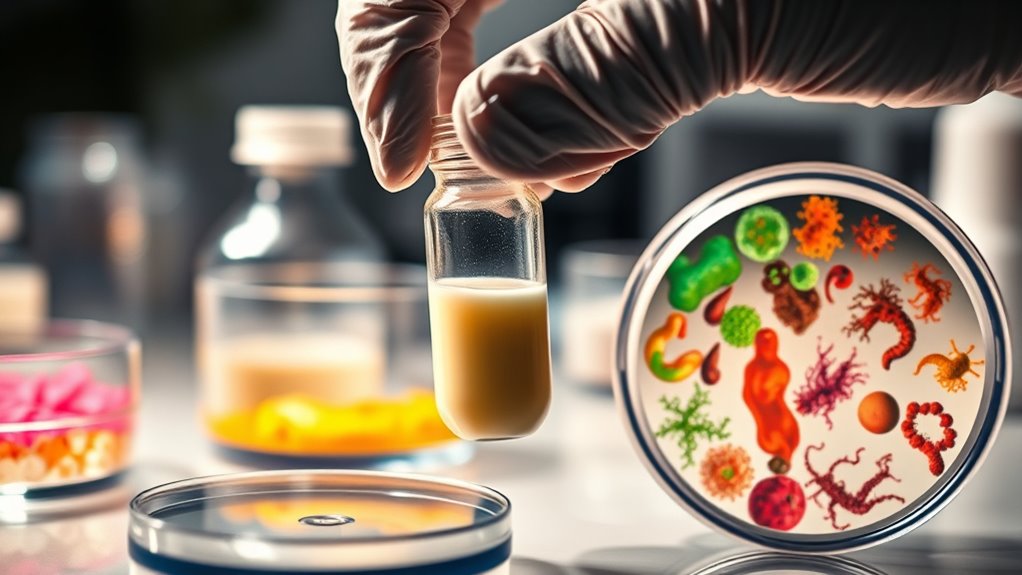
In a microbiome transplant, healthy bacteria are introduced into your body to restore the natural balance. This process often involves fecal microbiota transplantation (FMT), where stool from a healthy donor is processed and infused into your gastrointestinal tract. The goal is to increase microbial diversity, which is essential for a resilient and functioning gut ecosystem. By boosting this diversity, you can potentially improve digestion, reduce symptoms of conditions like Clostridioides difficile infection, and even influence immune responses. Many patients find that after a transplant, their digestive symptoms improve markedly, and their overall gut health stabilizes.
The idea behind these transplants is simple but powerful: replace or supplement your existing gut bacteria with a broader array of beneficial microbes. This can help outcompete harmful bacteria that cause infections or inflammation. You might wonder about safety, but rigorous donor screening and standardized procedures make FMT a relatively safe intervention under medical supervision. It’s especially promising for those with recurrent infections resistant to antibiotics, as restoring microbial diversity can create a more resilient gut environment. Besides fecal transplants, vaginal microbiome transplants are also gaining attention, particularly for women with recurrent bacterial vaginosis. These aim to establish a healthy vaginal flora, which can prevent infections and support overall reproductive health.
While research continues to evolve, the potential of microbiome transplants extends beyond gut health. Emerging evidence suggests they could influence mood, metabolic health, and immune function by modulating your microbiome. As you explore this innovative treatment, it’s important to consult healthcare professionals to determine if it’s right for you. The future of microbiome transplants looks promising, with ongoing studies aiming to refine techniques, improve safety, and expand their applications. Restoring microbial diversity through these transplants might just be the key to unlocking better health and resilience against various diseases.

BioRx Sponix Pet Fecal Test Kit (50 Pack) – Professional Animal Stool Sample Collection Containers for Dogs & Cats – Leak-Proof Fecalyzer with Collection Spoons
PROFESSIONAL GRADE: 50-pack of high-quality fecalyzers designed for veterinary clinics, animal shelters, and professional breeders.
As an affiliate, we earn on qualifying purchases.
As an affiliate, we earn on qualifying purchases.
Frequently Asked Questions
Are Microbiome Transplants Covered by Insurance?
Insurance coverage for microbiome transplants varies, so you’ll want to check with your provider. Some plans may cover certain treatments if they’re deemed medically necessary, but cost considerations can be a barrier. You should ask your insurance company about coverage details and potential out-of-pocket expenses before proceeding. Keep in mind that coverage is still evolving, so it’s smart to explore all options to understand your financial responsibilities.
How Long Do Microbiome Transplant Effects Last?
The effects of microbiome transplants can last from several months to years, but long-term stability varies depending on individual factors and the condition treated. You might experience recurrence if your microbiome isn’t maintained properly, so ongoing care and lifestyle changes are essential. Regular monitoring helps prevent recurrence and supports long-term stability, ensuring you get the most lasting benefits from your microbiome transplant.
Can Microbiome Transplants Cause Adverse Reactions?
You might think it’s smooth sailing, but microbiome transplants can cause adverse reactions. Potential allergic reactions and infection risks are real concerns, especially if the donor material isn’t properly screened. While most people tolerate the procedure well, some could experience symptoms like fever, discomfort, or allergic responses. Always consult with a healthcare professional to weigh benefits against risks, and guarantee thorough testing to minimize any unwanted surprises.
Are There Age Restrictions for Microbiome Transplants?
Age restrictions for microbiome transplants vary depending on the procedure and medical guidelines. Typically, minors need parental consent, and doctors carefully evaluate whether the patient’s age makes the transplant safe and appropriate. For children and adolescents, professionals often proceed with caution, ensuring benefits outweigh risks. Always consult with a healthcare provider to understand specific age restrictions and the necessity of parental consent before proceeding with a microbiome transplant.
How Do Microbiome Transplants Differ From Probiotics?
Microbiome transplants differ from probiotics because they aim to restore microbiome stability more thoroughly. While probiotics introduce specific beneficial bacteria, transplants transfer a diverse microbial community from a screened donor, promoting long-term health improvements. Donor screening guarantees safety and effectiveness, reducing risks of infection or imbalance. Unlike probiotics, which are generally safe and simple to take, microbiome transplants offer a more robust, targeted approach to treating certain conditions.

Microbiome Labs Vaginal Balance – Vaginal Probiotics for Women with Lactobacillus Gasseri – Feminine Care to Encourage pH Balance for Women, Reduce Discomfort & Support Gut Health (60 Capsules)
Support Vaginal pH Balance & Comfort – Clinically studied probiotics for digestive health designed to promote healthy vaginal…
As an affiliate, we earn on qualifying purchases.
As an affiliate, we earn on qualifying purchases.
Conclusion
Microbiome transplants are transforming health treatments, offering hope for conditions once thought untreatable. Did you know that fecal transplants have a success rate of over 90% in curing recurring C. difficile infections? This astonishing statistic highlights their potential. As research advances, both fecal and vaginal microbiome therapies could become standard options for restoring balance and improving well-being. Staying informed about these innovations might just help you make better health choices in the future.

Physician's CHOICE Probiotics 60 Billion CFU – 10 Strains + Organic Prebiotics – Immune, Digestive & Gut Health – Supports Occasional Constipation, Diarrhea, Gas & Bloating – for Women & Men – 30ct
Max Strength General Purpose Probiotic: Our non-refrigerated probiotic is designed to support digestive health & gut health. A…
As an affiliate, we earn on qualifying purchases.
As an affiliate, we earn on qualifying purchases.

Bacterial Vaginosis Treatment for Women | Natural Homeopathic Supplement for Odor, Itching, Discharge, BV, and Vaginal Microbiota Imbalance | 60 Capsules for pH Balance and Daily Support
𝐄𝐅𝐅𝐄𝐂𝐓𝐈𝐕𝐄 𝐁𝐕 𝐓𝐑𝐄𝐀𝐓𝐌𝐄𝐍𝐓: All-natural capsules support bacterial vaginosis treatment by helping reduce odor, discharge, itching, and discomfort while…
As an affiliate, we earn on qualifying purchases.
As an affiliate, we earn on qualifying purchases.