
Your nutritional needs change as you move through life, starting with breast milk or formula in infancy to support rapid growth and brain development. During childhood and adolescence, you need a balanced variety of foods to fuel growth and activity. As an adult, focus on maintaining health and preventing chronic illnesses through balanced meals and portion control. In older age, you may need adjustments for digestion and strength. Understanding these shifts helps you make better choices—discover more about each stage to optimize your health.
Key Takeaways
- Nutritional needs vary significantly from infancy through old age to support growth, development, and health maintenance.
- Adequate intake of key nutrients like iron, calcium, and vitamin D is essential at different life stages.
- Proper nutrition during early childhood influences lifelong health habits and development.
- Aging populations require adjustments in diet to address decreased metabolism and absorption challenges.
- Tailoring diets across the lifespan helps prevent chronic diseases and promotes overall well-being.

Understanding your nutritional needs is essential because these requirements change markedly throughout your life. From infancy to old age, your body’s demands for nutrients shift to support growth, maintenance, and overall health. During infancy, proper infant feeding is crucial for laying the foundation of good health. Breast milk or formula provides the ideal balance of nutrients necessary for rapid growth, brain development, and immune system support. As a parent or caregiver, you need to ensure that infants receive adequate feeding to promote healthy development. Proper infant feeding also involves recognizing hunger cues and ensuring that feeding routines are consistent, which helps establish healthy eating patterns that can last a lifetime.
Proper infant feeding lays the foundation for lifelong health and healthy eating habits.
As you transition into childhood and adolescence, your nutritional needs continue to evolve. You require a variety of foods that supply essential vitamins and minerals to support rapid growth and increased activity levels. Encouraging balanced meals rich in fruits, vegetables, whole grains, lean proteins, and dairy helps meet these needs. Regular monitoring of your intake guarantees you’re not missing key nutrients like iron, calcium, and vitamin D, which are vital for bone health and overall development.
In adulthood, your focus shifts to maintaining health and preventing chronic illnesses. Proper nutrition involves balancing caloric intake with physical activity, controlling portion sizes, and choosing nutrient-dense foods. This helps manage weight, supports cardiovascular health, and sustains energy levels. Hydration becomes increasingly important, and you should pay attention to your body’s signals for thirst. If you’re caring for elderly family members or yourself in later years, elderly nutrition becomes a priority. As you age, your metabolism slows, and you may face challenges such as decreased appetite, dental issues, or digestive changes that affect your ability to absorb nutrients. Ensuring adequate intake of protein, calcium, vitamin D, and fiber can help preserve muscle mass, bone density, and digestive health. You might need to modify textures of foods or incorporate supplements to meet your nutritional needs effectively. Additionally, understanding nutritional needs across the lifespan helps you tailor your diet to support each stage of life.
Throughout your life, staying attentive to these changing requirements is key to maintaining good health. For infants, proper infant feeding sets the stage for lifelong wellness, while for the elderly, tailored nutrition supports independence and quality of life. Recognizing these shifts and adapting your diet accordingly enables you to optimize your health at every stage. Whether you’re nurturing a young child or caring for aging loved ones, understanding the importance of tailored nutrition helps you make informed decisions that promote longevity and vitality.
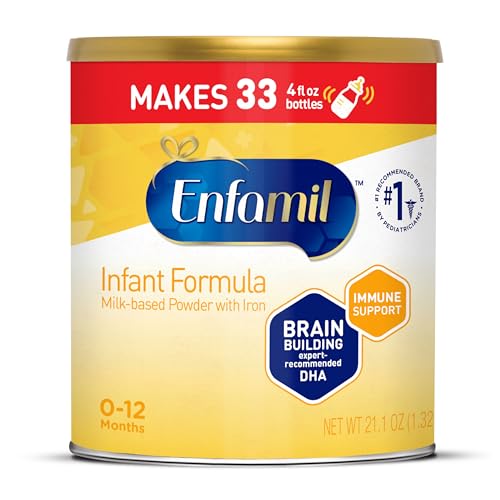
Enfamil Infant Formula, Milk-based Baby Formula with Iron, Omega-3 DHA & Choline, Powder Can, 21.1 Oz
NURTURING BRAIN DEVELOPMENT: Our formula has expert-recommended DHA & choline, known to support your baby's growing brain, supporting…
As an affiliate, we earn on qualifying purchases.
As an affiliate, we earn on qualifying purchases.
Frequently Asked Questions
How Do Nutritional Needs Differ for Athletes Versus Sedentary Individuals?
As an athlete, your nutritional needs are higher due to increased energy expenditure and the need for muscle recovery. You require more calories, protein, and carbs to fuel workouts and repair tissues. Sedentary individuals, however, need fewer calories and focus more on balanced nutrition to maintain health. You should prioritize nutrient-dense foods, ensuring your intake supports your activity level, especially for ideal muscle recovery and energy maintenance.
What Are the Best Supplements for Specific Age Groups?
For your age group, the best supplements often include Vitamin D and Iron. If you’re younger or older, Vitamin D helps maintain healthy bones and immune function, especially if you get limited sunlight. Iron supplements are essential for teens and women of childbearing age to prevent deficiency-related fatigue and anemia. Always consult your healthcare provider before starting any supplement, to guarantee it fits your specific needs and health status.
How Can Dietary Needs Be Met During Pregnancy and Breastfeeding?
During pregnancy and breastfeeding, you can meet your dietary needs by taking prenatal vitamins and focusing on breastfeeding nutrition. Make certain your diet includes plenty of fruits, vegetables, whole grains, and lean proteins to support your baby’s growth. Stay hydrated and avoid harmful substances. Regular check-ups with your healthcare provider help tailor your nutrition plan, guaranteeing both you and your baby stay healthy and energized throughout this crucial period.
What Are Common Nutritional Deficiencies in Elderly Populations?
You should watch out for common nutritional deficiencies in elderly populations, like micronutrient deficiencies, which can lead to weakened immunity and poor bone health. Chronic disease impacts, such as diabetes or heart disease, often worsen nutritional status. To stay healthy, focus on nutrient-rich foods, consider supplements if recommended, and maintain regular check-ups to catch deficiencies early and manage chronic conditions effectively.
How Do Cultural Dietary Habits Influence Nutritional Requirements?
Imagine you follow traditional dietary customs that emphasize rice and vegetables but rarely include dairy. Your cultural food practices shape your nutritional requirements, possibly leading to calcium or vitamin D deficiencies. Cultural dietary habits influence what nutrients you prioritize and how your body absorbs them. Recognizing these practices helps tailor nutrition plans, ensuring you meet your needs while respecting your cultural preferences.

One A Day Teen Boy’s Daily Essentials Multivitamin Gummies, Teen Boy Vitamins with Vitamin C, Vitamin D, Bone Health, Immune Health, Raspberry Natural Flavor, 120 Gummies
Great tasting gummy vitamins for teen boys: One A Day Teen Boy’s Daily Essentials Multivitamin Gummies scientifically designed…
As an affiliate, we earn on qualifying purchases.
As an affiliate, we earn on qualifying purchases.
Conclusion
As you navigate each stage of life, remember that your nutritional needs change like the tides of the great maritime adventures. From childhood to old age, fueling your body properly keeps you strong, sharp, and resilient. Don’t forget, even in this modern age, a balanced diet remains your trusty compass. So, stay mindful of what you eat, and you’ll sail smoothly through life’s voyage, just like the explorers of yore charted their uncharted waters.
calcium and vitamin D supplements for adults
As an affiliate, we earn on qualifying purchases.
As an affiliate, we earn on qualifying purchases.

40+ Bone, Joint & Muscle Formula | Clinically Proven in 4 Human Trials | Beats Glucosamine | Polycan Postbiotics Fermented Beta-Glucan | Preserves Muscle & Bone Health | 60 Caps
✔ Clinically Proven Across 4 Human Trials — Joint, Bone & Muscle: Polycan Beta-Glucan is backed by 4…
As an affiliate, we earn on qualifying purchases.
As an affiliate, we earn on qualifying purchases.