

Managing multiple medications requires careful organization and communication. Use pill organizers and set reminders to stay on schedule. Regularly review your medications with your healthcare provider to avoid interactions and side effects. Always share all medications and supplements you take. Follow instructions closely and don’t skip doses. Staying vigilant helps prevent adverse effects and ensures proper treatment. If you want to learn more about keeping your medications safe and effective, keep exploring effective strategies.
Key Takeaways
- Regular medication reviews with healthcare providers ensure proper management, necessary adjustments, and minimized drug interactions.
- Use pill organizers, alarms, and detailed schedules to improve adherence and prevent missed or incorrect doses.
- Communicate openly with healthcare providers about all medications, including OTC drugs and supplements, to avoid harmful interactions.
- Monitor for side effects and report unusual symptoms promptly to address potential adverse reactions or interactions.
- Understand and follow medication instructions carefully, avoiding dose alterations or omissions to maintain treatment effectiveness.

Have you ever wondered what happens when a person takes multiple medications simultaneously? For many, managing several prescriptions is a daily routine, especially as they age or deal with chronic conditions. While polypharmacy can be necessary for controlling health issues, it also introduces challenges that require careful attention. One of the biggest concerns is medication adherence. When you’re juggling multiple pills, it’s easy to forget doses or take them incorrectly, which can reduce their effectiveness or cause adverse effects. To stay on top of your regimen, it’s crucial to develop strategies like using pill organizers, setting alarms, or keeping a medication schedule. Regularly reviewing your medications with your healthcare provider helps guarantee you’re taking only what’s necessary and correctly. Clear instructions and understanding the purpose of each medication boost adherence and help you stay consistent. Additionally, understanding how color accuracy affects medication packaging and labeling can help prevent errors and ensure proper medication identification. Side effect management becomes equally critical as the number of medications increases. Many drugs can cause unwanted effects, and when combined, they might amplify or create new issues. Staying vigilant about side effects is key. If you notice anything unusual—such as dizziness, nausea, or allergic reactions—don’t delay in reporting these to your doctor. They can adjust dosages or switch medications to reduce discomfort and prevent complications. It’s also important to be aware of interactions between different drugs, which can sometimes lead to increased side effects or decreased effectiveness. Your healthcare team can help identify potential interactions and recommend ways to minimize risks. Effective communication with your healthcare providers is crucial in managing polypharmacy. Always inform them about all the medications you’re taking, including over-the-counter drugs and supplements, to avoid harmful interactions. Ask questions about each medication’s side effects and proper usage to empower yourself in managing your health. Additionally, follow prescribed instructions carefully—skipping doses or altering schedules can compromise treatment and increase side effects. Remember that managing side effects isn’t just about avoiding discomfort; it’s about maintaining your overall health and ensuring each medication works as intended.

3 Pack 14 Grids Travel Pill Organizer Box with 415-Pcs Medicine Name Labels – Pocket Daily Pharmacy Case Container Kit – Travel Medication Holder Dispenser for Fish Oil Vitamin Supplement Storage
NOTE: Please refer to the Overall Size & Compartment size before ordering. Overall Size: 4.7"L x 2.9"W x…
As an affiliate, we earn on qualifying purchases.
As an affiliate, we earn on qualifying purchases.
Frequently Asked Questions
How Can Patients Track All Their Medications Effectively?
You can track all your medications effectively by keeping a detailed medication list and updating it regularly. Use digital apps designed for medication management, which allow you to input doses, schedules, and reminders. These apps help you stay organized, avoid missed doses, and share updates with your healthcare providers easily. Additionally, review your list weekly to guarantee accuracy, and always carry your medication list in case of emergencies.
Are There Specific Tools to Manage Polypharmacy Risks?
Think of managing your medications like juggling flaming torches—you need tools to keep everything safe. Yes, specific tools like medication reconciliation apps help you track doses and schedules. Regular pharmacist consultations act as safety nets, catching potential interactions before they become problems. These resources work together to reduce polypharmacy risks, ensuring your health stays steady and secure, even when handling many medications.
How Does Polypharmacy Affect Medication Adherence?
Polypharmacy can make medication adherence more challenging because increased medication complexity often leads to confusion or forgetfulness. When you have multiple drugs to take, you might struggle with timing or dosage, which can reduce patient compliance. To improve adherence, simplify your medication routine by using pill organizers or reminders, and always communicate with your healthcare provider to address any difficulties. This way, you stay on track and ensure effective treatment.
What Are the Signs of Adverse Drug Interactions?
About 20% of hospital admissions are due to adverse drug interactions. You should watch for drug interaction symptoms like rash, dizziness, or stomach pain, which can signal an adverse reaction. Other signs include unusual bleeding, confusion, or rapid heartbeat. Recognizing these adverse reaction signs early helps prevent serious health issues. If you notice any of these, contact your healthcare provider immediately to review your medications and guarantee safety.
Can Lifestyle Changes Reduce the Need for Multiple Medications?
Yes, lifestyle modifications can often diminish your need for multiple medications. By adopting healthier habits like regular exercise, balanced nutrition, and stress management, you may improve your health and manage chronic conditions better. These changes can lead to medication reduction, lowering your risk of adverse interactions and side effects. Always talk to your healthcare provider before making significant lifestyle adjustments to ensure they complement your treatment plan effectively.

TabTime Pill Reminder with 8 Alarms per Day, Pill Tracker, Pill Timer, Medication Reminder Devices, Medication Tracker, Essential Parkinson's Patient Gadget
"Eight independently set alarms: Enjoy the convenience of an alarm clock with multiple alarms that go off at…
As an affiliate, we earn on qualifying purchases.
As an affiliate, we earn on qualifying purchases.
Conclusion
Managing multiple medications is like tending a delicate garden—you need to nurture each plant carefully to keep everything thriving. Stay vigilant, ask questions, and communicate openly with your healthcare provider. Think of yourself as the captain of your health ship, steering through calm and stormy waters alike. With awareness and teamwork, you can keep your medication routine balanced and harmonious, turning what feels like a tangled web into a well-tended masterpiece of well-being.
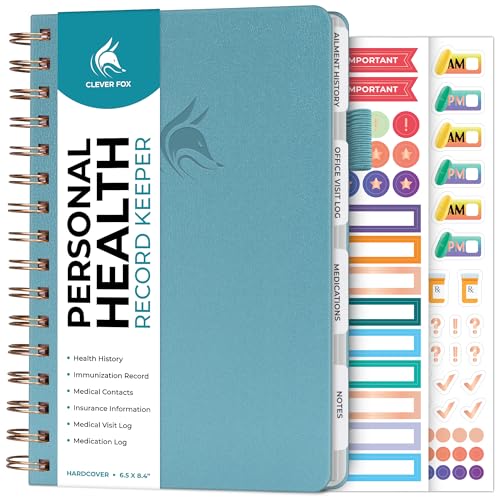
Clever Fox Personal Health Record Keeper – Medical Care Planner – Wellness & Medication Tracker Journal for Patients – Organizer Notebook, Daily Tracking Log Book & Appointment Diary (Aquamarine)
ALL YOUR HEALTH RECORDS IN ONE PLACE – This medical planner journal helps organize vital medical information including…
As an affiliate, we earn on qualifying purchases.
As an affiliate, we earn on qualifying purchases.

Drugs.com Medication Guide
My Drug List
As an affiliate, we earn on qualifying purchases.
As an affiliate, we earn on qualifying purchases.