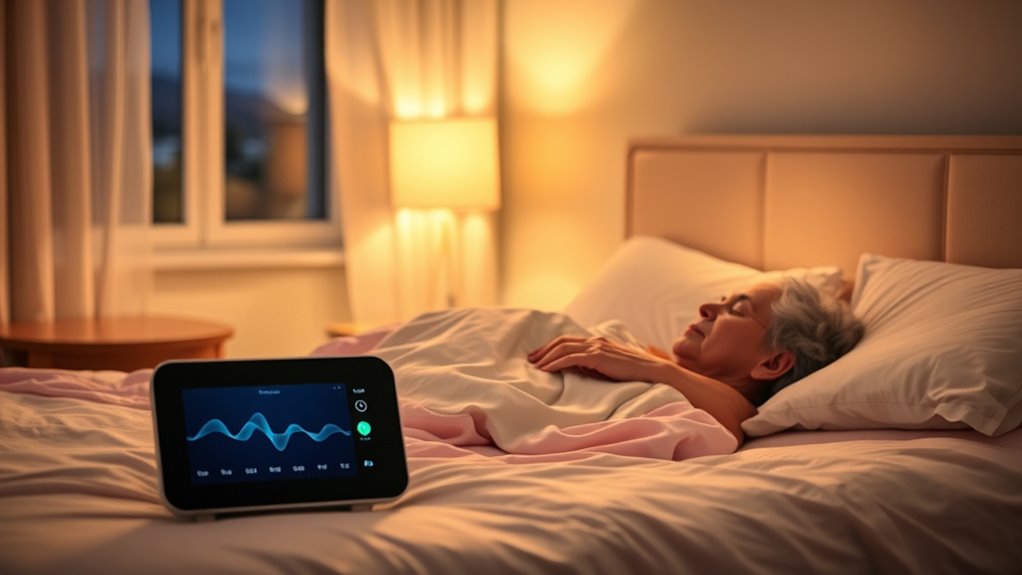

As you age, your sleep naturally becomes lighter, more fragmented, and less restorative because of changes in sleep architecture and declining melatonin levels. You might find it harder to fall asleep or stay asleep, feeling less refreshed in the morning. To improve your sleep, focus on good sleep hygiene, create a dark, quiet environment, and consider natural supplements if advised by your doctor. Exploring these tips further can help you understand how to optimize your sleep as you grow older.

Get health and wellness essentials delivered free with Prime
- Fast, free delivery on millions of items
- Prime Video, Amazon Music and more included
- Member-only deals all year
Key Takeaways
- Aging causes reduced deep sleep, lighter sleep, and more fragmented sleep cycles, impacting overall sleep quality.
- Melatonin production declines with age, making it harder to fall asleep and stay asleep.
- Sleep efficiency decreases in older adults, leading to increased nighttime awakenings and less restorative rest.
- Age-related sleep changes can cause daytime fatigue, reduced alertness, and mood disturbances.
- Good sleep hygiene, a dark quiet environment, and possibly melatonin supplements can help optimize sleep in seniors.
Have you ever wondered why your sleep patterns change as you age? As you grow older, your sleep undergoes noticeable shifts, and understanding the underlying reasons can help you manage these changes better. One key factor is sleep architecture—the structure and pattern of your sleep cycles. When you’re young, your sleep is composed of multiple cycles, including deep sleep (slow-wave sleep) and REM sleep, which alternate throughout the night. However, as you age, these cycles become less distinct. You tend to spend less time in deep sleep, which is essential for physical and mental restoration, and your overall sleep becomes more fragmented. This means you might wake up more often during the night or find it harder to fall asleep initially.
Another major contributor to sleep changes is melatonin production. Melatonin is a hormone your body produces in response to darkness, signaling to your brain that it’s time to sleep. In younger individuals, melatonin levels rise in the evening, helping to initiate sleep, and decline in the early morning to promote wakefulness. As you age, your body’s melatonin production diminishes considerably. This reduction makes it harder for you to fall asleep and stay asleep, especially in the early hours of the night. It’s like your internal clock isn’t signaling for sleep as strongly as it used to, leading to earlier wake times and lighter sleep overall.
Furthermore, the natural decline in sleep efficiency with age can lead to longer periods of wakefulness during the night, impacting overall restfulness. These physiological shifts in sleep architecture and melatonin production don’t just happen in isolation—they directly impact how rested you feel and your daytime alertness. You might notice you’re more tired during the day or that you wake up feeling less refreshed. The decline in deep sleep means your body doesn’t get the same restorative benefits, which can affect your immune system, memory, and mood. Likewise, decreased melatonin levels can make you more susceptible to sleep disorders like insomnia.
Understanding these changes is essential because it highlights that sleep difficulties in older adults are often natural rather than solely due to lifestyle or health issues. Recognizing that your sleep architecture shifts and melatonin production decreases with age empowers you to take proactive steps. This could include practicing good sleep hygiene, ensuring your sleeping environment is dark and quiet, and possibly using melatonin supplements under medical guidance if needed. Addressing these factors can help improve your sleep quality despite the natural changes, allowing you to wake up feeling more refreshed and ready for the day.
melatonin supplements for seniors
As an affiliate, we earn on qualifying purchases.
As an affiliate, we earn on qualifying purchases.
Frequently Asked Questions
How Do Medications Affect Sleep in Older Adults?
Medications can substantially impact your sleep by causing side effects like insomnia, drowsiness, or disrupted sleep patterns. You might also experience drug interactions that worsen sleep problems or create new issues. It’s essential to discuss any sleep disturbances with your healthcare provider, especially if you take multiple medications, to adjust doses or find alternatives that minimize these effects. Being aware helps you manage sleep better and stay healthier.
Can Diet Influence Sleep Quality in Aging Populations?
You can improve your sleep quality by paying attention to diet and digestion, especially since studies show that older adults who eat nutrient-rich meals earlier in the day tend to sleep better. Timing of nutrients is key; consuming heavy or sugary foods late can disrupt sleep. Incorporating balanced meals with complex carbs and protein at the right times helps regulate blood sugar and promotes restful sleep as you age.
Are There Specific Sleep Disorders More Common With Age?
Yes, as you age, you’re more likely to experience sleep disorders like restless leg syndrome and sleep apnea. Restless leg syndrome causes uncomfortable sensations that disrupt your sleep, while sleep apnea’s prevalence increases, leading to breathing interruptions during sleep. These conditions become more common with age, affecting your sleep quality and overall health. Recognizing these issues helps you seek appropriate treatment to improve your sleep and well-being.
How Does Physical Activity Impact Sleep Patterns in Seniors?
Engaging in regular exercise routines can considerably improve your sleep patterns by reducing sedentary behavior and promoting deeper, more restorative sleep. When you stay active, your body becomes better at regulating sleep cycles, helping you fall asleep faster and wake up less during the night. Avoiding prolonged sedentary behavior during the day also supports better sleep quality, making it easier for you to enjoy restful, rejuvenating sleep every night.
What Role Does Mental Health Play in Sleep Changes With Age?
You might think mental health stigma doesn’t affect sleep, but it markedly influences emotional well-being and sleep quality in older adults. Poor mental health, like anxiety or depression, disrupts sleep patterns. Research suggests that addressing emotional well-being and reducing stigma improves sleep. You can enhance your sleep by seeking support, managing stress, and openly discussing mental health, which helps break down stigma and fosters healthier sleep habits.
As an affiliate, we earn on qualifying purchases.
Conclusion
As you navigate the shifting sands of sleep in older age, remember that, like the steady lighthouse guiding sailors through fog, understanding these changes allows you to chart a course toward better rest. Embrace strategies to optimize your sleep, turning the night into a peaceful harbor rather than a turbulent storm. With awareness and effort, you can reclaim restful nights, illuminating your days with renewed energy and clarity, just as dawn dispels the darkness of night.
dark sleep environment blackout curtains
As an affiliate, we earn on qualifying purchases.
As an affiliate, we earn on qualifying purchases.
white noise machine for better sleep
As an affiliate, we earn on qualifying purchases.
As an affiliate, we earn on qualifying purchases.
Cold & flu season Picks
humidifiers
As an affiliate, we earn on qualifying purchases.