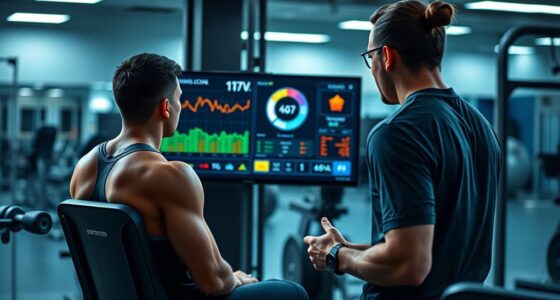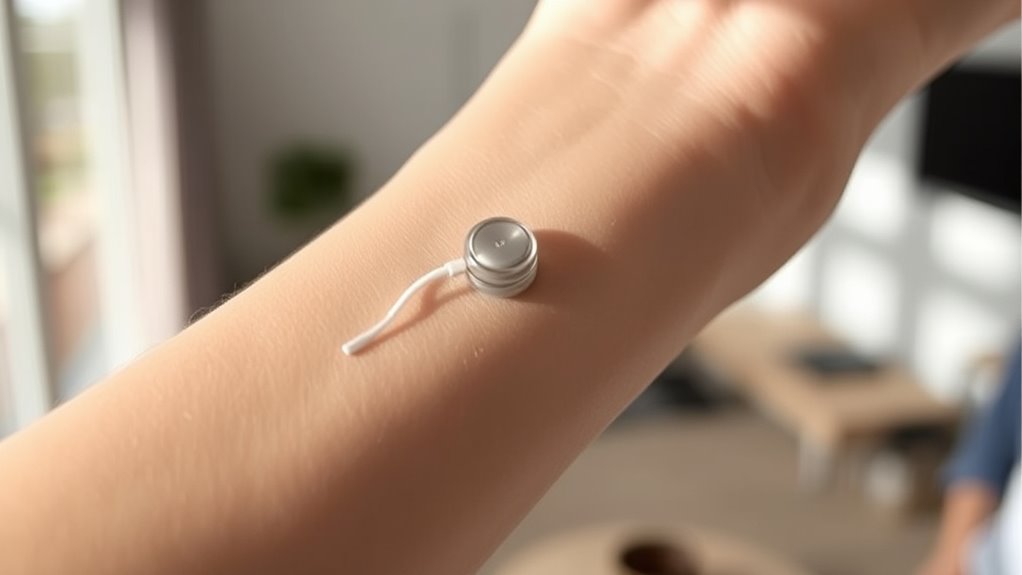

Continuous glucose monitoring (CGM) isn’t just for diabetics; it can help you understand how your body responds to different foods, stress, and activities. By tracking your glucose levels in real-time, you can identify what boosts or crashes your energy, improve your metabolic health, and optimize your habits. With this data, you gain personalized insights that empower smarter lifestyle choices. Keep exploring to discover how CGM can transform your overall wellness and performance.
Key Takeaways
- CGM provides non-diabetics with real-time insights into how foods, activities, and stress affect their metabolic health.
- It helps optimize lifestyle choices by identifying personal glucose patterns, improving energy, focus, and overall wellness.
- CGM reveals how sleep quality and stress influence glucose levels, supporting targeted health improvements.
- Continuous data encourages proactive habit formation and personalized adjustments for better long-term health.
- Using CGM beyond diabetes management promotes a deeper understanding of metabolic health and sustainable wellness strategies.
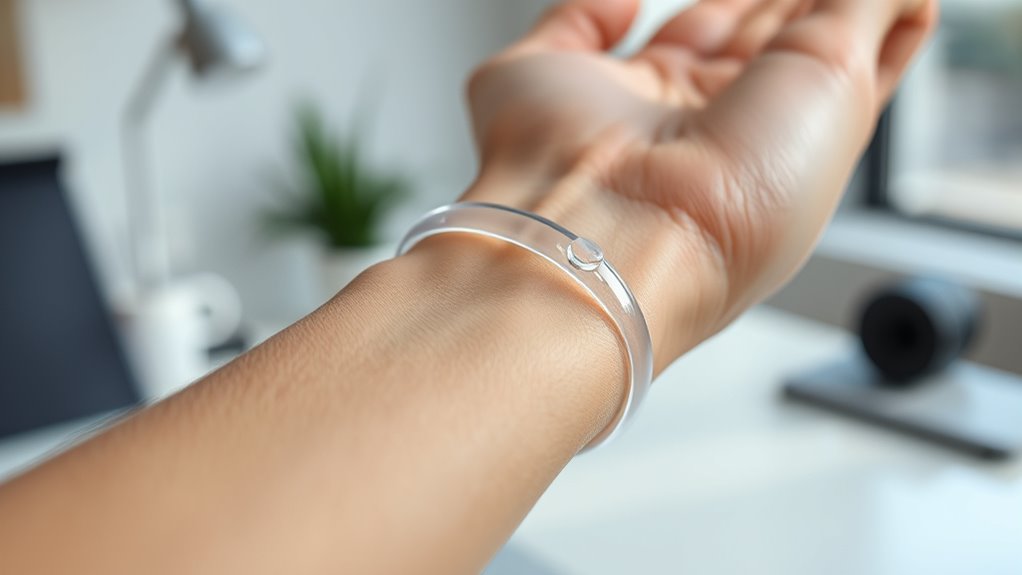
Have you ever wondered if continuous glucose monitoring (CGM) could benefit people without diabetes? While many associate CGM primarily with managing diabetes, its potential extends far beyond that. With metabolic tracking becoming more accessible, you can gain real-time insights into how your body responds to food, activity, and stress. This data can be a game-changer for optimizing your lifestyle, helping you make informed decisions that support your overall health. Instead of relying solely on traditional methods like calorie counting or generic dietary advice, CGM provides a personalized view of your glucose fluctuations throughout the day. This real-time feedback helps you understand which foods cause spikes and crashes, enabling you to tailor your diet for better energy levels and metabolic efficiency.
Using a CGM for lifestyle optimization isn’t just about avoiding sugar crashes; it’s about cultivating a deeper awareness of your body’s unique responses. For example, certain foods you consider healthy might trigger unexpected glucose surges, while others may help maintain steady levels. By tracking these patterns continuously, you can identify habits that promote stability and well-being. This process empowers you to experiment with different meal timings, portions, and food choices, refining your routine based on actual data rather than assumptions. In turn, this can lead to improved energy, better focus, and even enhanced athletic performance, as your body adapts to your personalized metabolic profile.
Moreover, metabolic tracking with a CGM allows you to notice subtle changes over time, such as how sleep quality influences glucose levels or how stress impacts your metabolic health. These insights can motivate you to adopt healthier habits—like prioritizing sleep or managing stress more effectively—because you see tangible results. It turns health management into an active, engaging process rather than a passive one. Over days and weeks, this continuous feedback loop helps you develop sustainable habits rooted in your body’s real needs, rather than trends or generalized advice.
In essence, using a CGM without diabetes opens up a new domain of self-awareness and wellness optimization. It’s about understanding your body’s unique metabolic rhythms and making smarter lifestyle choices based on those insights. Whether you’re aiming to boost your energy, improve athletic performance, or simply feel better throughout the day, metabolic tracking with a CGM offers a powerful tool to fine-tune your health journey. It’s not just about glucose levels; it’s about harnessing data to live more intentionally, creating a personalized blueprint for optimal well-being.
Continuous Glucose Monitor for non diabetics
As an affiliate, we earn on qualifying purchases.
As an affiliate, we earn on qualifying purchases.
Frequently Asked Questions
Can Non-Diabetics Benefit From Continuous Glucose Monitoring?
Yes, non-diabetics can benefit from continuous glucose monitoring. It allows you to track your blood sugar levels in real-time, giving you valuable lifestyle monitoring and nutritional insights. By understanding how different foods, activities, and stress impact your glucose, you can make more informed choices to improve overall health. This proactive approach helps optimize your energy, weight management, and long-term wellness.
Are There Any Risks Associated With CGM for Healthy Individuals?
Sure, using a CGM as a healthy person isn’t without risks. You might worry about device calibration errors skewing your data or obsessing over every glucose fluctuation—fun times! Plus, data privacy could be compromised if your health info leaks. While it’s fascinating to monitor yourself, remember that constant tracking can lead to unnecessary stress and false alarms. So, weigh the benefits against these potential pitfalls carefully.
How Accurate Is CGM in Non-Diabetic Populations?
You’ll find that CGM devices in non-diabetic populations are generally quite accurate, but they may have some limitations in measuring glucose variability precisely. Sensor accuracy can vary based on factors like sensor placement and individual physiology. While they offer valuable insights into glucose trends, don’t rely solely on them for exact readings, as slight discrepancies can occur, especially during rapid glucose fluctuations.
Is CGM Covered by Insurance for Non-Diabetics?
Insurance coverage for continuous glucose monitoring (CGM) in non-diabetics varies. You might find some plans that cover CGM if your doctor recommends it for health benefits like tracking blood sugar trends or improving overall wellness. However, many insurance policies don’t automatically include coverage for non-diabetic use. It’s best to check with your provider to understand your specific coverage options and potential out-of-pocket costs for CGM devices.
How Often Should Non-Diabetics Calibrate or Replace CGM Devices?
Did you know that most CGM devices require calibration roughly once every 12 hours? You should follow your device’s specific instructions for device maintenance and data calibration. Typically, non-diabetics need to replace sensors every 10 to 14 days and calibrate as recommended by the manufacturer. Regular calibration ensures accurate readings, so stay attentive to your device’s guidelines to maintain ideal performance and data reliability.
personal glucose monitoring device
As an affiliate, we earn on qualifying purchases.
As an affiliate, we earn on qualifying purchases.
Conclusion
Imagine revealing the secret world of your body’s rhythms with continuous glucose monitoring. As you gain insights into your health, you take control—like a captain steering your own ship through uncharted waters. Non-diabetics can now explore their wellness in ways once reserved for the chronically ill. Embrace this technology, and let it be your compass toward better understanding, balance, and essentiality. After all, isn’t knowing your body’s story the first step to truly living?
metabolic health tracker
As an affiliate, we earn on qualifying purchases.
As an affiliate, we earn on qualifying purchases.
CGM sensor for wellness
As an affiliate, we earn on qualifying purchases.
As an affiliate, we earn on qualifying purchases.